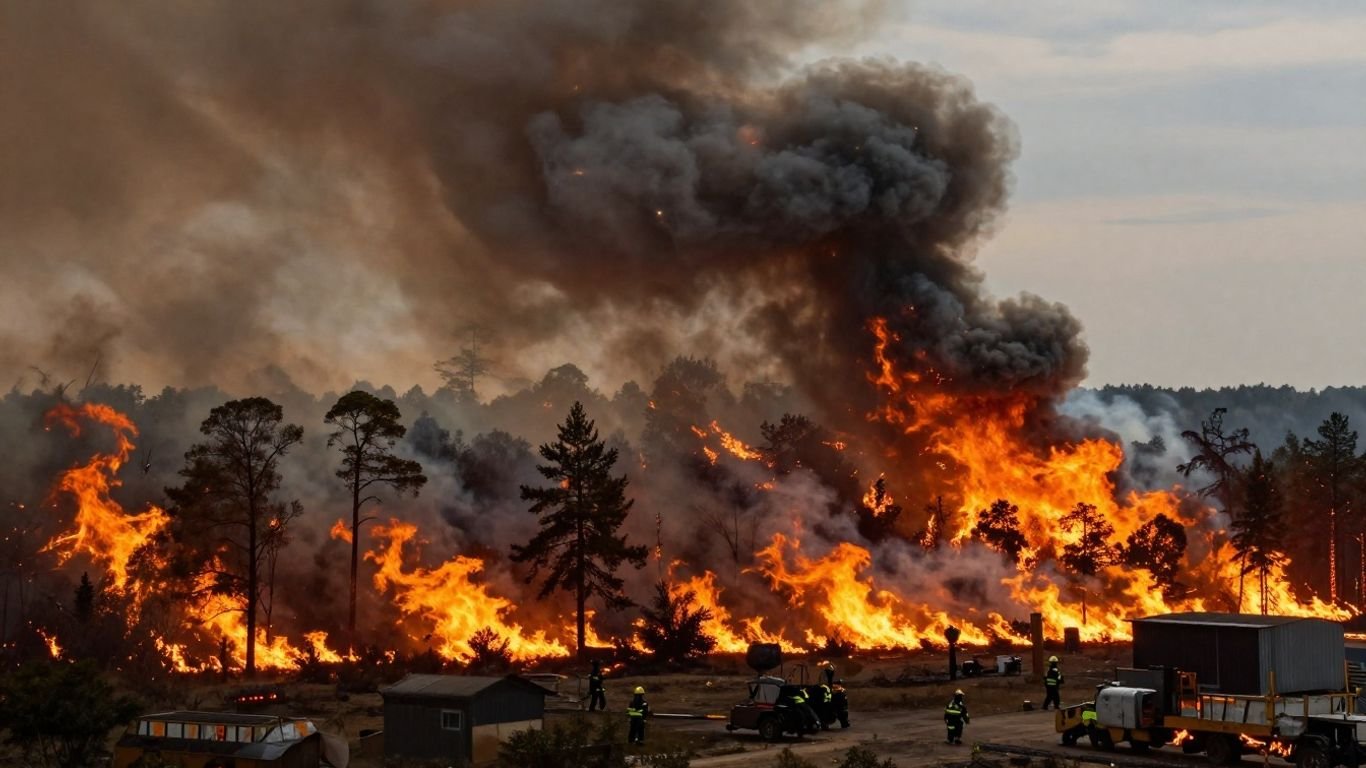

The European Union is launching a comprehensive new strategy to address the escalating threat of wildfires, a crisis exacerbated by climate change. Following a record-breaking fire season in 2025, the EU is prioritizing prevention, preparedness, response, and recovery with a multi-faceted approach aimed at enhancing resilience across the continent.
The European Commission has introduced a strategy designed to guide EU countries in better managing wildfire risks. This approach recognizes that healthy, well-managed ecosystems play a vital role in reducing the likelihood and impact of extreme fire events. Key prevention measures include providing guidance on climate adaptation for Natura 2000 sites, promoting resilient landscape planning, and encouraging the integration of wildfire prevention into spatial planning.
To bolster preparedness, the Commission will assist EU countries with long-term planning through updated risk assessment guidelines. Efforts will be made to involve citizens in wildfire preparedness initiatives, aligning with the broader preparedness union strategy. The EU will continue pre-positioning firefighters in high-risk areas and fostering the exchange of firefighting expertise. Furthermore, the European Forest Fire Information System (EFFIS) will be further developed to enhance early warning and monitoring tools, including the integration of AI-assisted wildfire modeling.
The EU is also significantly expanding its firefighting fleet. The rescEU firefighting fleet will be augmented with the procurement of 12 new firefighting planes and five helicopters to strengthen response capabilities.
In the aftermath of wildfires, the Commission plans to collect data to better understand the long-term health risks faced by firefighters due to hazardous conditions and toxic substances. The initiative also aims to share best practices for post-fire recovery and support restoration efforts that promote more climate-resilient ecosystems. Implementation of these measures will involve close collaboration with EU countries, regions, civil protection agencies, land managers, and other stakeholders, with progress regularly reviewed and reported.