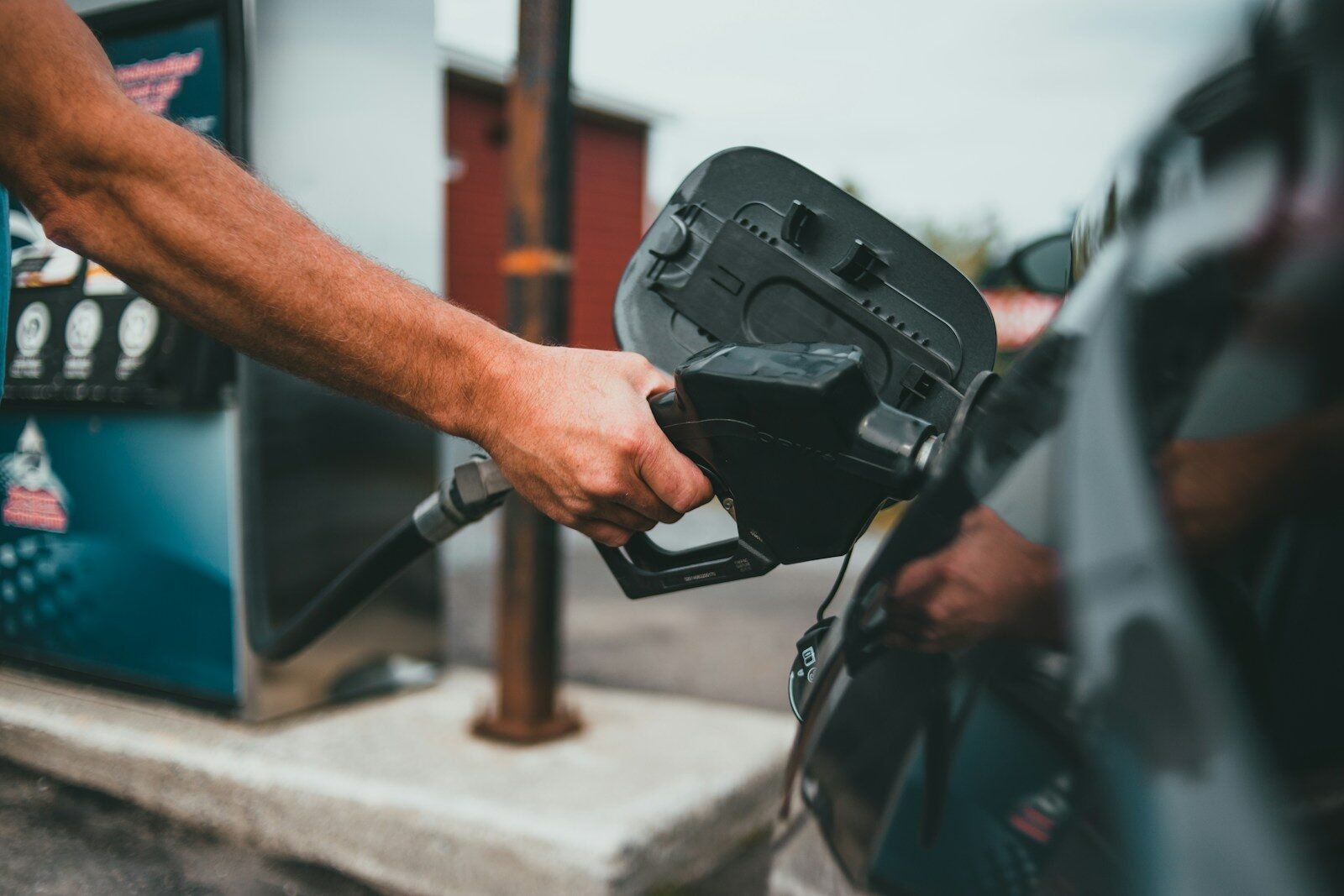

Russia has announced a ban on gasoline exports, effective April 1st, in a move aimed at securing domestic supply and stabilizing fuel prices. This decision comes as the nation grapples with global energy market volatility, exacerbated by ongoing conflicts and increased Ukrainian attacks on its oil infrastructure.
Russian Deputy Prime Minister Alexander Novak stated that the ban is a response to “turbulence in the global market for crude oil and oil products, driven by the Middle East crisis,” which has led to significant price volatility. Despite strong international demand for Russian energy, the government aims to prevent domestic fuel prices from rising above forecasted levels, a directive from President Vladimir Putin.
The ban also comes amid heightened Ukrainian attacks on Russian oil refineries. These strikes have significantly hampered Russia’s ability to process and export oil. Reports indicate that approximately 40% of Russia’s oil export capacity has been halted due to these assaults, marking a historic low. Major refineries, including the Saratov oil refinery and the Kirishi refinery, have been impacted, affecting the country’s overall production and export capabilities.
This is not the first time Russia has implemented export restrictions to manage its domestic fuel market. In the past, temporary bans have been imposed to combat fuel shortages. In the fall of 2025, several Russian regions experienced gasoline shortages, partly attributed to Ukrainian attacks on oil facilities. Occupied Crimea, in particular, faced severe shortages, with about half of its gas stations halting sales due to disrupted supplies.
The Russian Ministry of Energy has reported that oil refining rates remain consistent with March 2025 levels, ensuring a stable domestic supply. Industry companies have confirmed sufficient gasoline and diesel reserves and high refinery capacity utilization to meet internal demand. The export ban is expected to remain in place until the end of July, providing a buffer for the domestic market.