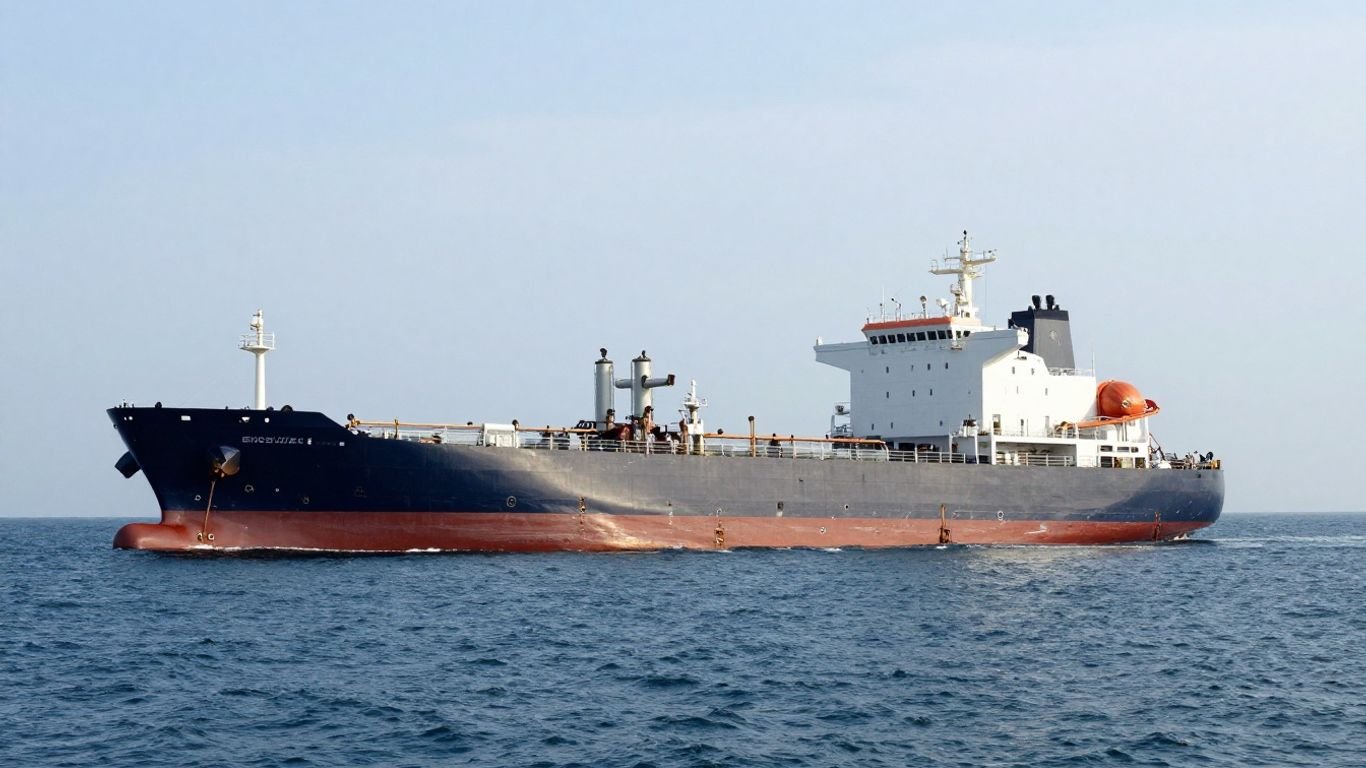

Germany has received its inaugural liquefied natural gas (LNG) shipments from Oman, a development that offers a glimmer of hope as disruptions in the Middle East threaten global energy routes. Despite escalating tensions and blockades impacting key shipping lanes, these deliveries are proceeding as planned, underscoring efforts to diversify Germany’s energy sources.
The arrival of Omani LNG marks a significant step for Germany in bolstering its energy security. The shipments are part of a four-year contract signed last year between Oman’s state LNG producer and German importer Securing Energy for Europe (SEFE). Oman’s strategic location, away from the immediate conflict zones in the Persian Gulf, ensures that these deliveries remain largely insulated from the current geopolitical turmoil.
The broader context for these deliveries is one of increasing concern over energy supply chains. Iran’s actions have led to the halting of LNG exports from Qatar, a major global supplier, and have impacted production facilities. While German officials have downplayed direct exposure, citing a high reliance on pipeline gas, a closer examination reveals a more complex picture.
Although only a small percentage of Germany’s gas imports arrive directly via its own LNG terminals, a substantial portion is indirectly sourced. Neighboring countries like the Netherlands and Belgium, which supply a significant share of Germany’s gas, are themselves major LNG importers. Gas transported through pipelines from these nations can originate from various sources, including LNG cargoes, making Germany’s true indirect dependence on LNG difficult to precisely quantify.
Adding to the pressure, Germany’s gas storage levels are currently at a historically low point for this time of year. Market dynamics, with near-term and forward gas prices closely aligned, offer little incentive for refilling reserves, except for traders anticipating prolonged conflict. While the Federal Network Agency maintains that supply security is guaranteed, it acknowledges the potential for continued price volatility.
In response to the evolving energy landscape, Germany is exploring various strategies. Proposals include extending the operational life of coal-fired power plants to reduce gas consumption. Furthermore, efforts are underway to secure long-term supply contracts with producers in Azerbaijan and Algeria. SEFE is also initiating new tenders for LNG deliveries to terminals across Germany and other European nations, specifically aimed at mitigating the impact of Middle East supply disruptions.