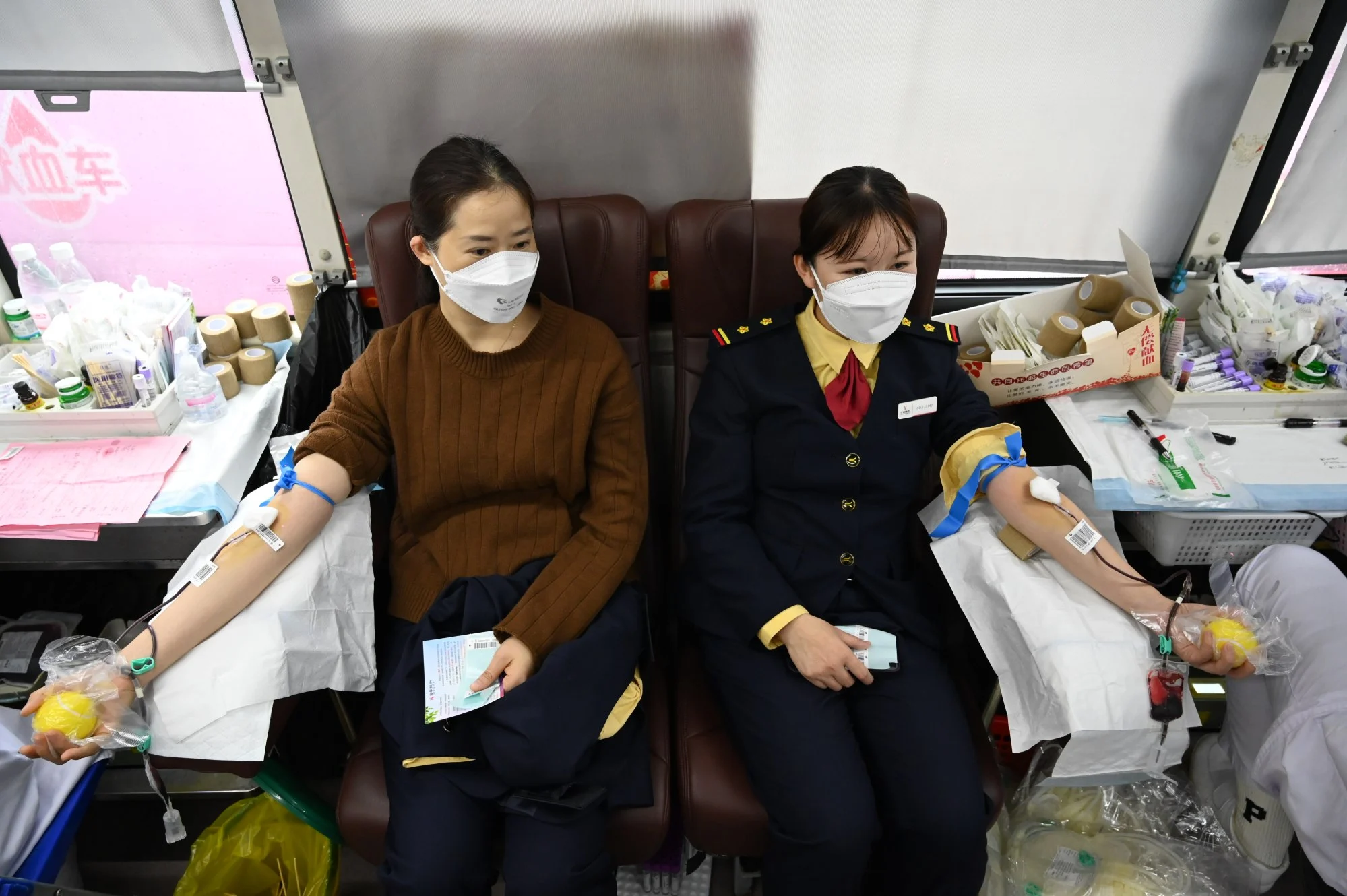

Harbin Finance University in Heilongjiang Province, China, has recently come under fire for allegedly mandating blood donations from its students, framing the act as a “non-negotiable political task.” The controversy erupted following a whistleblower’s exposure of messages from a university counsellor, revealing the institution’s coercive tactics to ensure student participation in the blood drive.
The leaked messages, shared online on December 12, showed the counsellor pressuring students to donate blood. The communication explicitly stated that those holding positions in the communist party or class leadership roles risked losing their status and opportunities for awards if they failed to participate. The demands extended to aspiring party members, implying a contribution to the blood drive as a criterion for their membership.
The university counsellor’s messages were unequivocal: a minimum of five donors per class, including class leaders and party branch secretaries. In cases of insufficient numbers, students aspiring for party membership were encouraged to contribute. Leaders unable to donate were required to justify their exemption. Failure to lead by example in the blood drive would result in the immediate removal of class leaders from their positions.
The public reaction to these revelations was swift and critical. The notion of enforced blood donations, especially when linked to political obligations and personal advancement within the university, struck a chord with the online community. Commentators were quick to point out that while blood donation is a noble act, it should remain a voluntary choice, free from coercion and political implications.
In response to the growing backlash, a university representative attempted to clarify the situation, stating that the blood drive was voluntary and that non-participation would not affect student evaluations or awards. The representative emphasized the university’s intention to encourage blood donation, especially among party members and class leaders, to set a positive example.
Despite these assurances, the university’s explanation faced skepticism, particularly regarding the quota set for the blood drive. Netizens questioned how the drive could be considered voluntary amidst imposed quotas and the clear pressure on student leaders to participate. The debate continues to rage, highlighting concerns over voluntary consent and the ethics of linking educational rewards and political tasks to personal health decisions such as blood donation.
READ MORE: