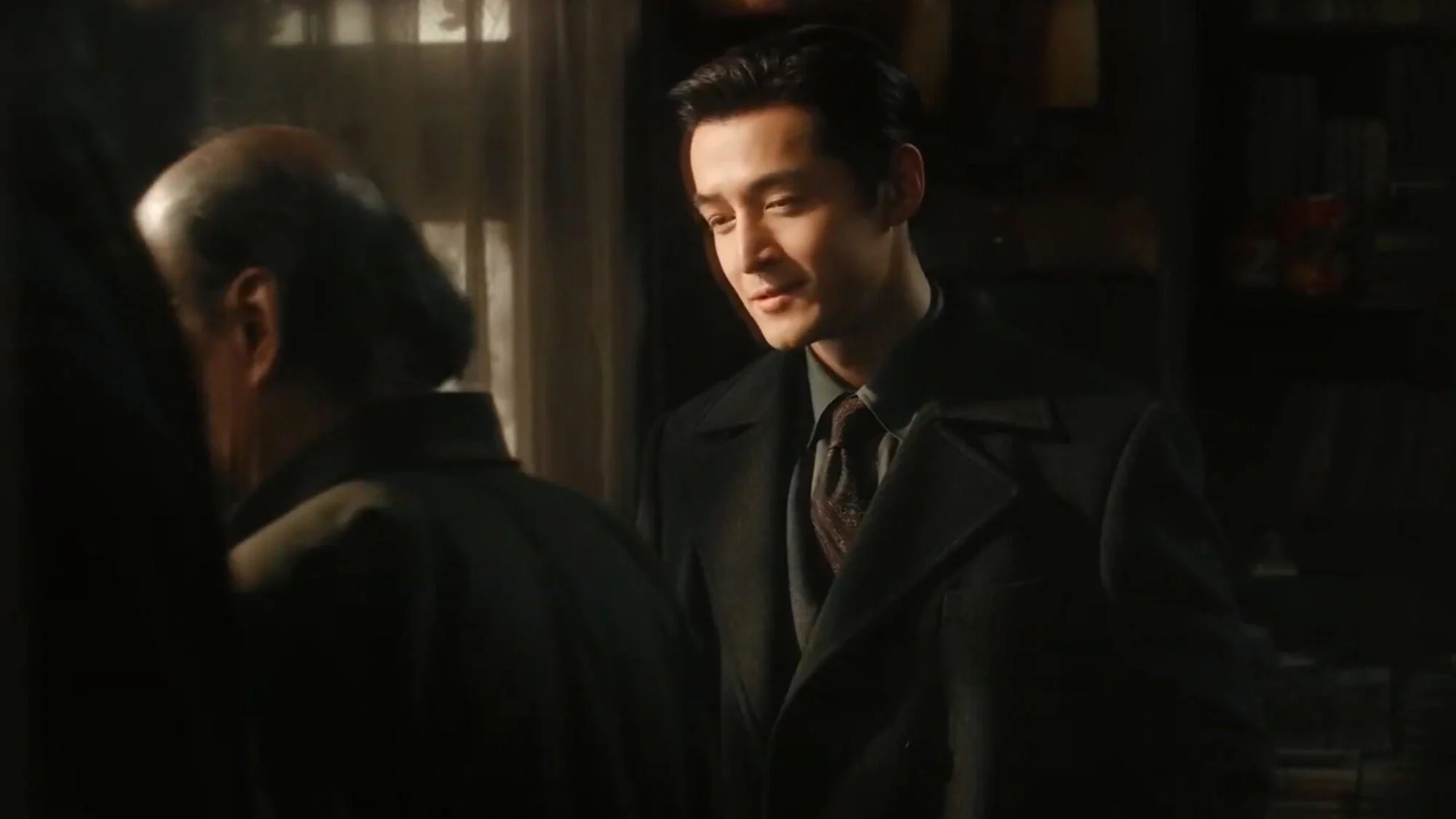

“Blossoms Shanghai,” the eagerly anticipated television series directed by renowned Hong Kong filmmaker Wong Kar-wai, is set to premiere on December 27. This 30-episode drama marks Wong’s first foray into television, and it’s been six years in the making. The series is an adaptation of the award-winning 2012 novel by Jin Yucheng, which vividly captures the essence of Shanghai culture and is noted for its unique narrative style in Shanghainese.
Set against the backdrop of 1990s Shanghai, “Blossoms Shanghai” tells the captivating story of Abao, a character portrayed by Hu Ge. Abao’s journey from humble beginnings to a successful business tycoon over a decade is at the heart of the narrative. The series intricately weaves his relationships with key characters like Ling Zi (Ma Yili), Miss Wang (Tiffany Tang), Uncle Ye (You Benchang), and his rival, Li Li (Xin Zhilei). These relationships play a crucial role in Abao’s rise and the expansion of his empire.
Jin Yucheng originally penned “Blossoms Shanghai” to challenge stereotypes about Shanghai and foster a deeper understanding of its culture. The TV adaptation honors this vision by featuring a predominantly Shanghai-born cast, and much of the dialogue is presented in Shanghainese, adding authenticity to the storytelling.
The series will be available in two versions: one in Shanghainese on Tencent’s WeTV and a dubbed version in Putonghua on CCTV 8. To recreate the era’s ambiance, the production team conducted a nationwide search for household items from 1976 to 1995, receiving a diverse array of artifacts, each with its own backstory. These items, ranging from newspapers to sewing machines, play a significant role in bringing the period to life on screen.
Wong Kar-wai’s meticulous approach to filmmaking is evident in “Blossoms Shanghai,” with the director spending three years on filming, a trait he is renowned for. The series promises to showcase the growth of its characters, with actress Ma highlighting the visible changes over time as a compelling reason to watch the show.
In typical Wong Kar-wai fashion, three trailers have been released, each teasing different aspects of the series and the complex relationships between Abao and the main female characters. The trailers offer glimpses into Abao’s life, his rise to power, and the broader context of the era, highlighting the vitality and the struggles of the people of that time.
With its rich cultural backdrop and intricate storytelling, “Blossoms Shanghai” has garnered high expectations from audiences. Fans are particularly excited about the Shanghainese version, eager to experience the local flavor of the series. This anticipation reflects the appeal of Wong Kar-wai’s storytelling and the enduring fascination with the cultural tapestry of Shanghai.
READ MORE: