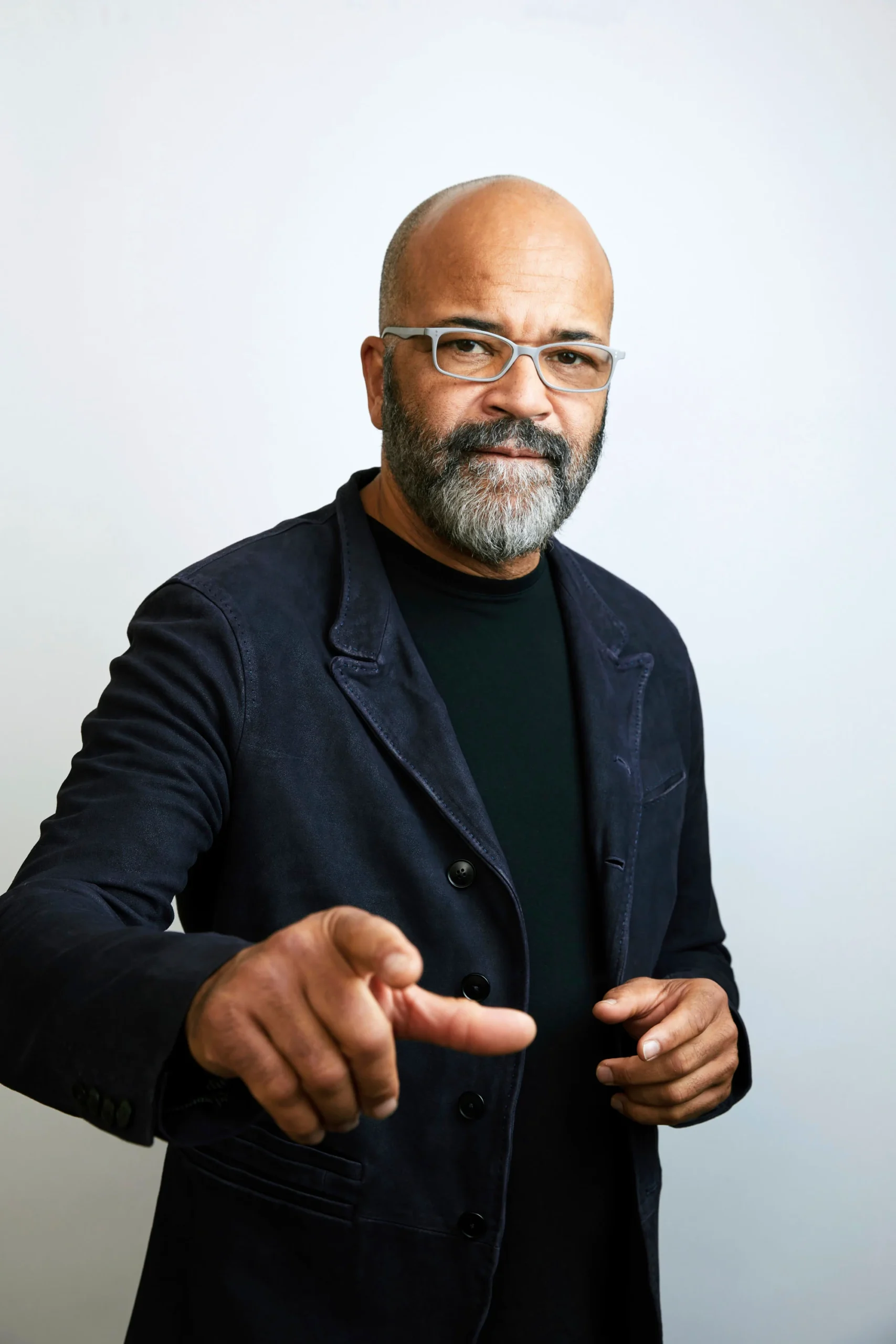

Jeffrey Wright, an actor celebrated for his diverse and transformative roles, has carved a unique niche in the entertainment industry. His career spans over two decades, featuring a wide array of characters, from historical figures to contemporary icons, showcasing his remarkable versatility and dedication to his craft.
Contrary to popular belief, Bruce Lee wasn’t the only dominant figure in the 1970s Hong Kong cinema. The decade also saw the rise of Michael Hui Koon-man, whose comedies like “The Private Eyes,” “The Contract,” and “Games Gamblers Play” resonated deeply with local audiences, depicting the everyday Hong Kong experience humorously and critically. These films reflected societal issues, especially during a time of widespread corruption, and were instrumental in shaping a unique Hong Kong cultural identity in cinema.
Television’s influence on 1970s Hong Kong cinema was significant, with the transition from subscription services to free-to-air television leading to a competitive landscape. TV shows like “Enjoy Yourself Tonight” gained massive popularity, but films began to explore themes beyond television’s scope, such as violence and sexuality, attracting a young, rebellious audience seeking escapism.
The societal shift following the Hong Kong riots of 1967 led filmmakers to produce content that resonated with the changing times. The result was a surge in films that were bolder and more explicit, appealing to a new generation of viewers. This era also witnessed the decline of swordfighting (wuxia) films, replaced by the hand-to-hand combat of kung fu, largely influenced by Bruce Lee’s impact. Choreographers like Lau Kar-wing emphasized realistic martial arts depictions, connecting with audiences familiar with these techniques.
The early 1970s also marked the emergence of sex films, targeting the same young male demographic. These films ranged from “nudie” features to soft porn, and occasionally more explicit content, reflecting a daring approach to filmmaking. Films like “Adventure in Denmark” broke new ground in this genre, prompting a rush to explore deeper themes.
The 1970s introduced the police film genre in Hong Kong cinema. Real-life events such as high-profile corruption cases and drug kingpin arrests spurred interest in this genre. Films like Ng See-yuen’s “Anti-Corruption” and “Jumping Ash” connected with local viewers, leading to a surge in police-themed movies.
As the decade progressed, audiences grew weary of traditional kung fu films, prompting filmmakers to innovate. The kung fu comedy genre, blending action and humor, emerged, with Jackie Chan’s stardom being a testament to its success. This fusion of genres brought a fresh perspective and revitalized the industry.
The 1970s in Hong Kong cinema were a period of dynamic experimentation and cultural reflection, characterized by diversification of genres, the rise of new stars, and evolution in filmmaking styles. This era left a lasting impact on the industry and audiences alike, shaping a distinctive cinematic landscape beyond the legend of Bruce Lee.
READ MORE: