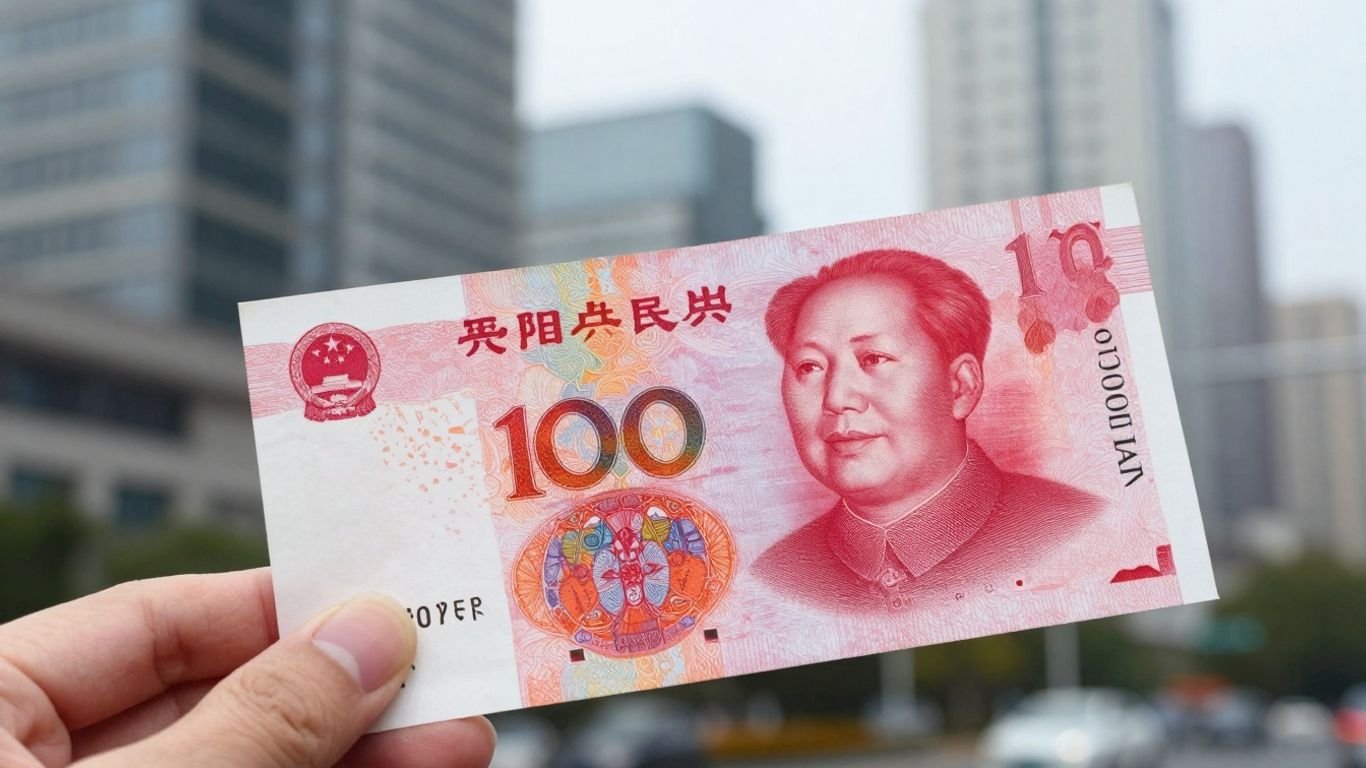

China’s central bank and foreign exchange regulator are implementing a series of measures aimed at stabilizing the yuan and streamlining foreign exchange transactions. These initiatives focus on facilitating cross-border trade, investment, and financing, while also adapting forex management to the evolving domestic property market.
Facilitating Cross-Border Investment and Financing
The State Administration of Foreign Exchange (SAFE) has announced a package of policies designed to simplify cross-border investment, financing, and forex management. These changes include removing registration requirements for preliminary fees related to foreign direct investment (FDI) and allowing forex profits from FDI to be reinvested within mainland China. Furthermore, restrictions on the use of forex incomes from capital projects have been reduced, and these funds can now be used to purchase non-owner-occupied residential properties.
Easing Forex Transactions for Trade and Investment
Zhu Hexin, deputy governor of the People’s Bank of China and head of SAFE, revealed that multiple measures will be introduced to simplify cross-border trade and financing. These initiatives encompass nine policy steps focused on trade facilitation. Key among them are the expansion of pilot programs for high-level cross-border liberalization, broader eligibility for netting settlements, and enhanced forex services tailored for emerging trade models. These efforts are intended to boost the resilience of China’s foreign exchange market.
Adapting to Market Changes
SAFE’s deputy head, Li Bin, highlighted that forex management needs to be refined to align with recent changes in the domestic property market. The new policies aim to support the stable development of this sector by adapting corresponding forex management practices. The People’s Bank of China has also reiterated its commitment to keeping the yuan’s foreign exchange rate stable and boosting market demand.