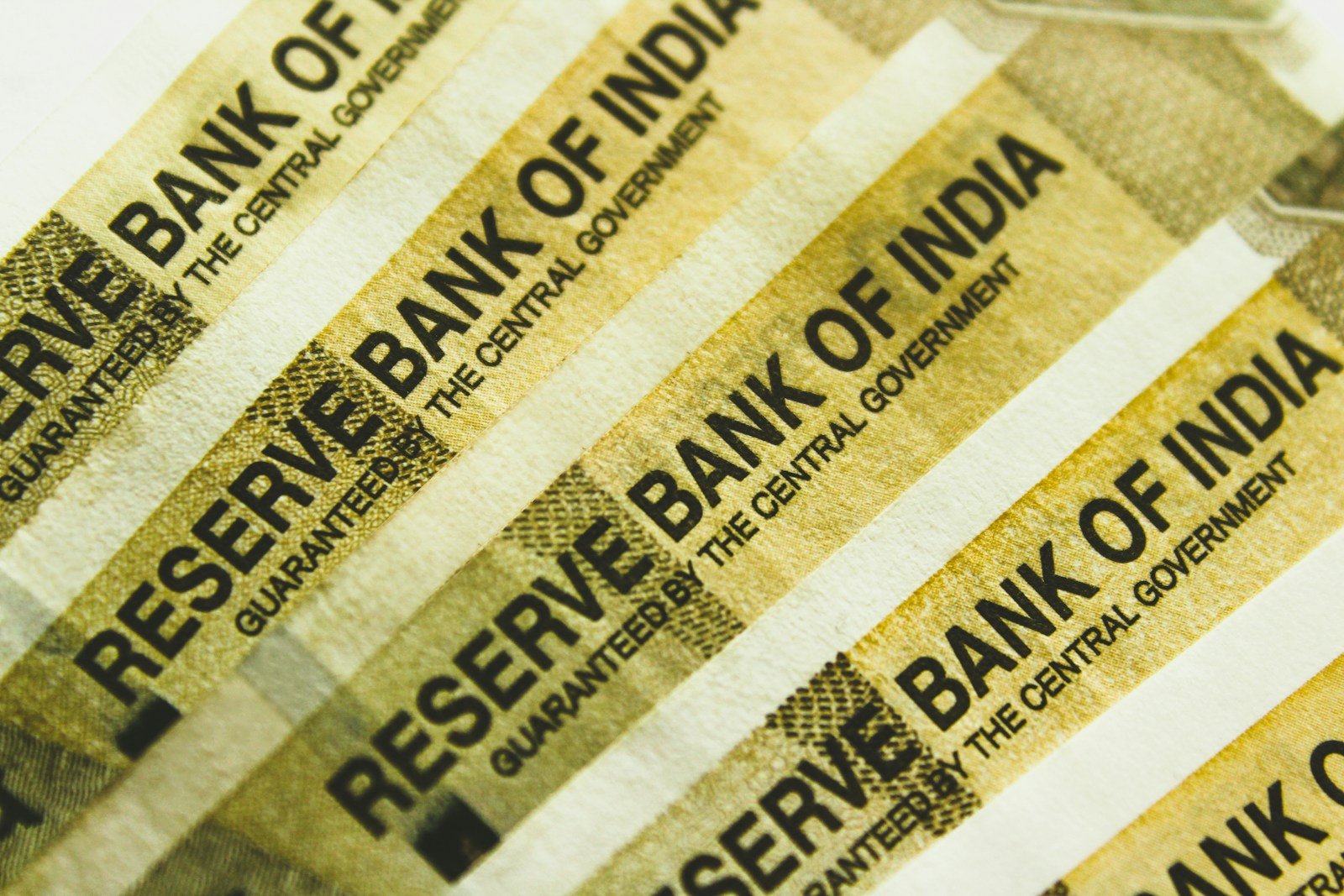

The Reserve Bank of India (RBI) is widely expected to maintain its current policy interest rates at the upcoming Monetary Policy Committee (MPC) meeting. This anticipated decision comes as a recently established trade deal with the U.S. has lessened the immediate need for further monetary stimulus, allowing the central bank to focus on ensuring the effectiveness of previous rate cuts.
India’s economy is currently experiencing robust growth, with projections indicating it will hit 7.4% in the current financial year. This “Goldilocks phase,” as described by RBI Governor Sanjay Malhotra, coupled with inflation expected to return to the RBI’s target, provides a strong rationale for a policy pause. The U.S.-India trade deal further solidifies this stance by mitigating potential disruptions from U.S. tariffs and reducing the need for immediate economic support through lower interest rates.
Despite the positive economic indicators, the RBI has faced challenges in ensuring that previous rate cuts effectively translate into lower borrowing costs for businesses and consumers. High benchmark 10-year bond yields, partly due to significant government borrowing, have hampered the transmission mechanism. Analysts suggest the RBI may increase open market bond purchases to inject liquidity and ease strains in the bond market, thereby supporting policy transmission.
Prior to the trade deal announcement, a portion of economists had called for a rate cut, citing low inflation and potential trade disruptions. However, the majority anticipated a status quo. The RBI’s intervention in forex and bond markets, including selling foreign exchange reserves to manage liquidity, highlights the complexities it has navigated. With the trade deal in place and strong growth, the focus now shifts to optimizing the impact of existing monetary policy measures.