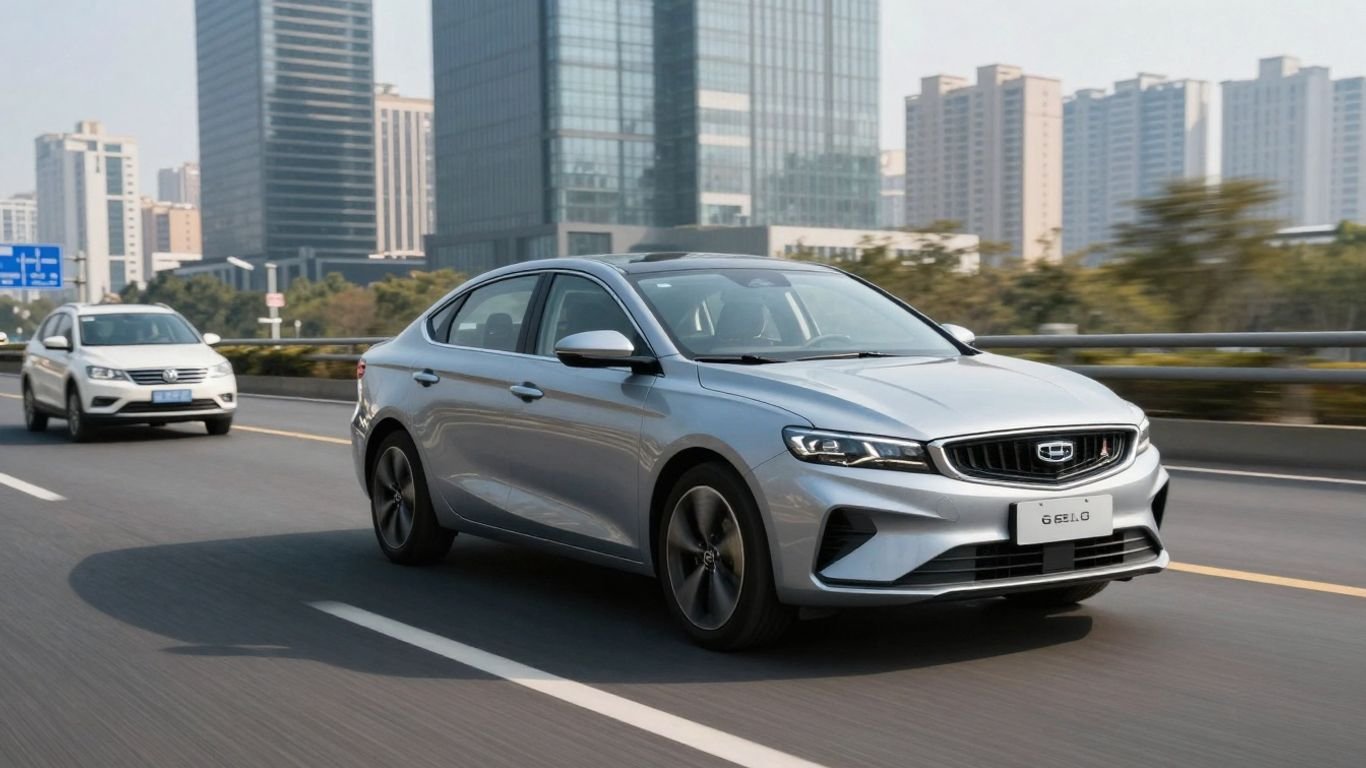

Geely Auto has experienced a significant surge in China’s automotive market, surpassing Volkswagen and claiming the second position in sales. This shift underscores the rapidly evolving landscape of the Chinese auto industry, where domestic brands are increasingly challenging established foreign players. Volkswagen’s market share has seen a notable decline, while Geely’s has climbed substantially.
The Shifting Tides of China’s Auto Market
Volkswagen’s joint ventures in China, historically dominant forces, have seen their combined retail sales share dip. This decline is attributed to a slower adoption of electric vehicles compared to the aggressive push by Chinese manufacturers. Geely Auto, on the other hand, has capitalized on this trend, doubling its market share.
BYD continues to hold the leading position in the market, although it too experienced a decrease in its share as competition intensified. Legacy foreign automakers like Volkswagen, General Motors, and Toyota are finding it increasingly difficult to maintain their footing in China’s fast-paced and evolving market.
Geely’s rise is partly fueled by its strong performance in the budget segment, offering affordable EV options that appeal to a broad consumer base. This segment now represents a significant portion of new passenger vehicle sales in China, highlighting the mass market’s appetite for cost-effective electric mobility solutions.
Volkswagen’s Response and Future Outlook
In an effort to regain ground, Volkswagen is accelerating its EV development and technological integration. The company is deepening collaborations with local EV makers and working on in-house chip development for next-generation smart cars. Furthermore, Volkswagen is exploring strategic pivots towards exporting China-developed models to international markets.
The dynamic reshuffling at the top of China’s auto market emphasizes the critical need for scaling EV production and integrating advanced technology. The question remains whether foreign giants like Volkswagen can effectively adapt and reclaim lost territory in this fiercely competitive environment, or if Chinese firms will continue to steer the market’s direction.