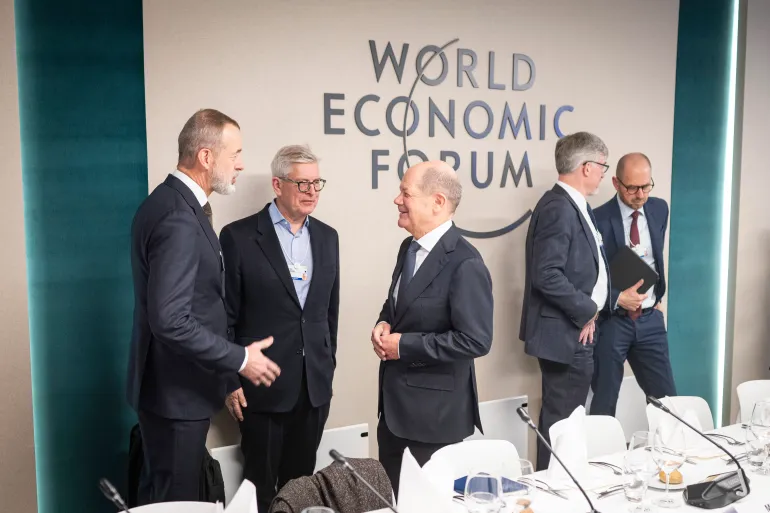

The World Economic Forum’s annual meeting in Davos convened global leaders to confront pressing issues including the rapid advancement of artificial intelligence, the escalating climate crisis, and the complex dynamics of the global economy. Discussions highlighted the urgent need for decisive action on fossil fuel phase-out and the potential economic and societal impacts of AI.
The End of the Fossil Fuel Era
Discussions at Davos underscored that the continued expansion of fossil fuels is incompatible with planetary stability and long-term economic prosperity. The evidence of climate change’s material risks to food systems, public health, and infrastructure is undeniable, driving sharp increases in insurance premiums and impacting financial markets. Renewable energy technologies are now more accessible and cheaper than fossil fuel alternatives in most regions, with renewables accounting for over 90% of new global power capacity additions in 2024. Despite this, the fossil fuel industry retains significant influence, hindering a swift political commitment to phase out these energy sources.
Navigating the AI Revolution
Artificial intelligence emerged as a dominant theme, with leaders exploring its potential to drive growth while acknowledging its disruptive capabilities. Concerns were raised about AI’s impact on junior jobs, with tech leaders noting early signs of reduced entry-level hiring. The session “Closing the AI Diffusion Divide” highlighted the disparity in AI adoption between developed and developing economies, emphasizing the need for global cooperation and investment in upskilling. Discussions also touched upon the ethical considerations and governance frameworks required to ensure AI serves humanity’s best interests, with warnings that increased intelligence does not necessarily equate to reduced delusion.
Global Economic Realities and Geopolitical Tensions
The summit also addressed the complexities of the global economy, marked by geopolitical tensions and trade disputes. The threat of tariffs and the potential acquisition of Greenland by the United States cast a shadow over discussions, impacting market sentiment. Leaders debated the future of globalization, with some arguing it has failed to deliver shared prosperity. Calls for “value-based realism” and “effective multilateralism” were made, emphasizing the need for pragmatic cooperation amidst a shifting world order. The economic implications of climate change and the business case for nature-based solutions were also prominent, with experts stressing that protecting ecosystems is crucial for long-term economic resilience.