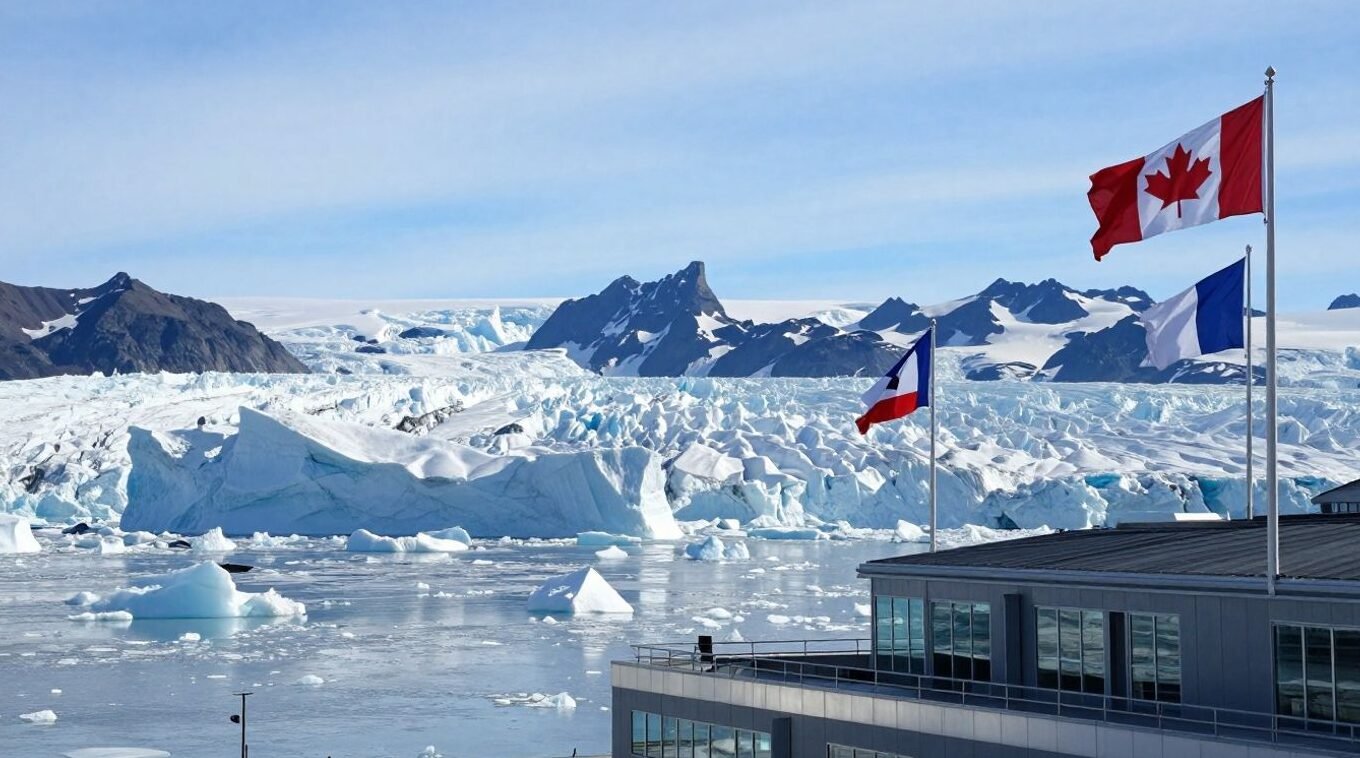

In a significant geopolitical move, Canada and France have officially opened their consulates in Nuuk, Greenland. This expansion of diplomatic presence underscores a show of solidarity with Denmark and Greenland, particularly in the wake of former U.S. President Donald Trump’s expressed interest in acquiring the Arctic territory.
The establishment of these consulates marks a historic expansion of foreign engagement in Greenland. Previously, only Iceland and the United States offered formal consular services in Nuuk. The Canadian consulate, announced in early 2024 as part of its Arctic foreign policy review, was officially opened by Foreign Minister Anita Anand and Governor General Mary Simon. France’s consulate, announced by President Emmanuel Macron the previous year, was also inaugurated on the same day.
Both nations have stressed that their presence is a gesture of friendship and support for Greenland and Denmark, rather than a direct opposition to the United States. Canadian officials highlighted the long-standing connections between Arctic Canada and Greenland, particularly the shared Inuit heritage. Governor General Simon, herself of Inuk descent, emphasized the cultural and ethnic bonds, calling her visit an affirmation of these ties.
Former President Trump’s repeated statements about the U.S. needing to “own” Greenland for national security reasons had caused significant concern among allies and Greenlanders alike. While Trump later moderated his stance, the underlying interest in the strategically vital Arctic island persisted. The opening of the Canadian and French consulates is interpreted as a clear signal that Greenland’s sovereignty and territorial integrity are supported by key international partners.
Greenlandic officials welcomed the new diplomatic missions, viewing them as a crucial affirmation of their autonomy and a sign that their allies remain attentive to their security concerns. The move also allows Greenland to further diversify its international relationships beyond Denmark and the existing diplomatic presences.
Canada’s consulate aims to deepen cooperation on defense, security, and climate change, leveraging the shared maritime border and historical connections. The presence of a Canadian Coast Guard ship during the opening ceremony further underscored this commitment. Similarly, France views its consulate as part of a broader European effort to assert its presence and interests in the Arctic.
Experts suggest that these new diplomatic outposts will provide Greenland with opportunities to practice greater independence and strengthen its economic and political ties with a wider range of international actors, reducing sole reliance on Denmark. The consulates are expected to foster closer collaboration on issues critical to the Arctic region.