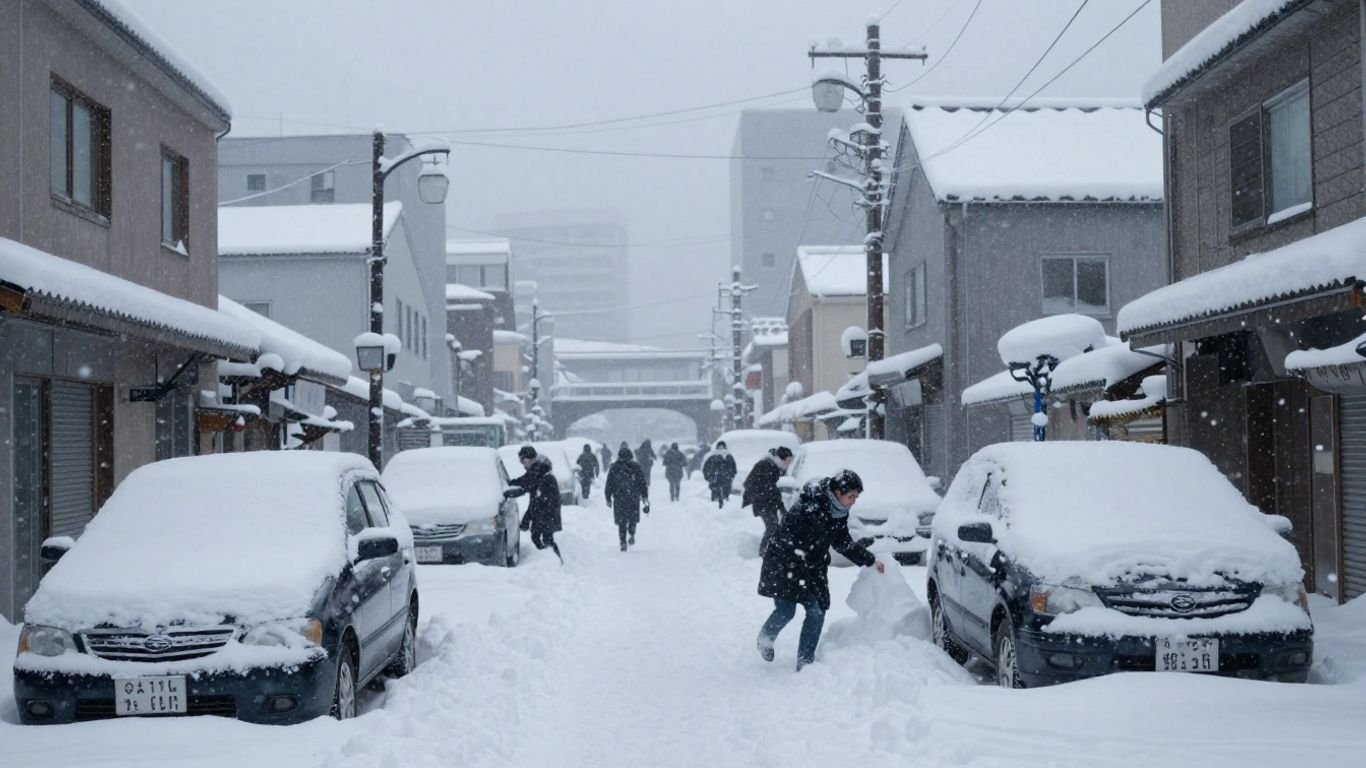

Japan is grappling with the devastating aftermath of a historic snowfall that has blanketed northern regions, resulting in numerous deaths and injuries. The extreme weather has paralyzed transportation, cut off power to thousands, and raised concerns about rising avalanche risks as temperatures begin to climb.
Record-breaking snowfall has gripped northern Japan, leading to a tragic loss of life and a significant number of injuries. Authorities report that at least 45 individuals have died and over 500 have been injured in snow-related incidents since January 20. The majority of these fatalities occurred as people attempted to clear heavy snow from their roofs and surroundings, with several individuals falling to their deaths or suffering fatal medical emergencies during these strenuous tasks.
The relentless snow has overwhelmed infrastructure across 15 of Japan’s 47 prefectures. Snow depths have reached up to 6.5 feet (2 meters) in some areas, leading to more than 1,700 homes losing electricity. Regular and bullet train services have been canceled, and numerous roads remain blocked, severely hampering emergency response efforts. In Aomori City, snowdrifts have buried rail tracks and narrowed streets, forcing medical workers to continue rescue operations on foot in some instances. Schools and businesses have also been forced to close, disrupting daily life for many.
As temperatures begin to rise, officials are issuing urgent warnings about the increased risk of avalanches in mountainous areas laden with deep, unstable snow. Japan’s chief government spokesperson, Minoru Kihara, urged the public to remain vigilant, advising caution when clearing snow and recommending safety measures such as wearing helmets or using lifeline ropes. The Japan Meteorological Agency has warned of further heavy snow in coastal regions and urged residents to be alert for traffic disruptions and potential avalanches.
While Japan is accustomed to winter snowfall, the severity of this year’s event is particularly notable. The extreme weather has also cast a shadow over the upcoming general election, scheduled for February 8. Concerns have been raised about potential impacts on voter turnout, especially in snowbound rural areas. The government has deployed troops to assist in affected regions, underscoring the gravity of the situation as recovery efforts continue amidst ongoing hazardous conditions.