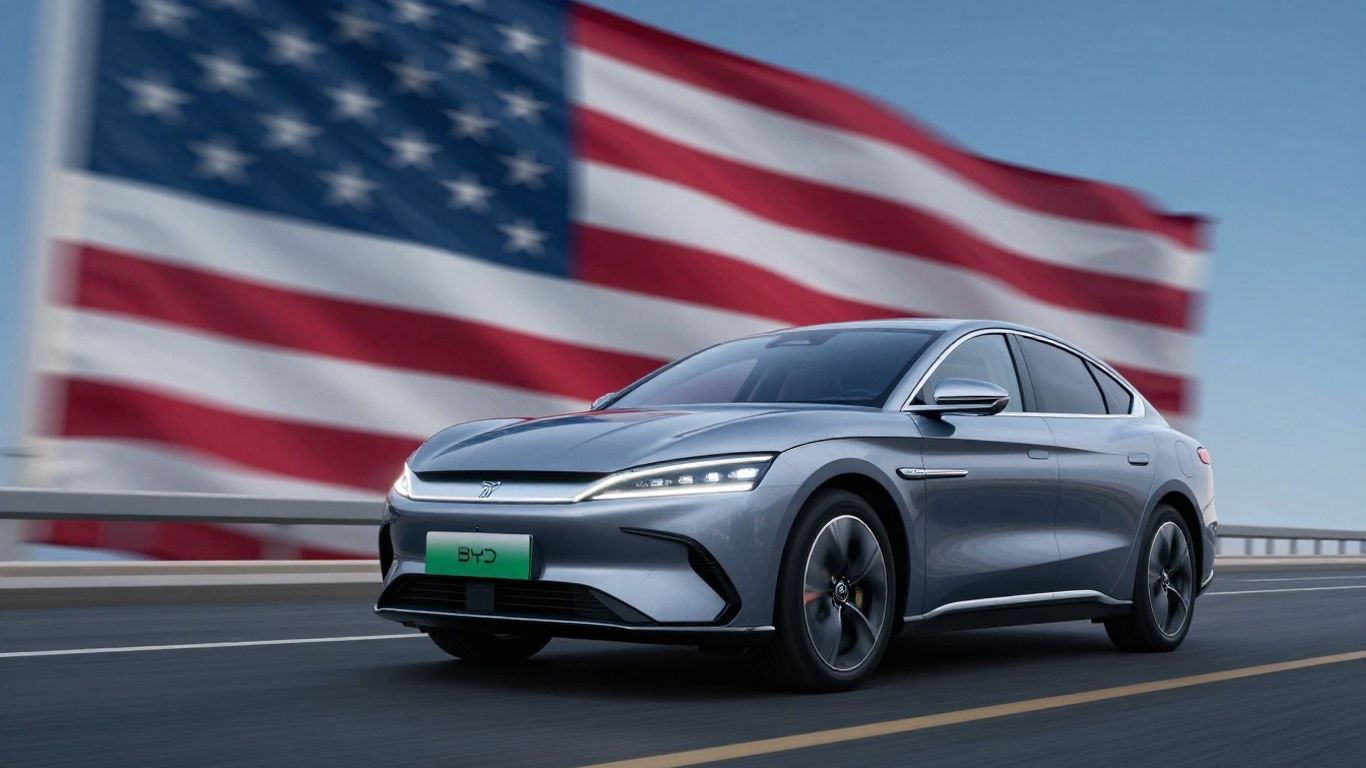

Chinese electric vehicle giant BYD has filed a lawsuit against the U.S. government, challenging tariffs that have effectively blocked its passenger cars from entering the American market. The legal action, brought forth by four U.S.-based BYD subsidiaries, questions the executive authority used to impose these tariffs under the International Emergency Economic Powers Act (IEEPA).
BYD’s lawsuit, filed in the U.S. Court of International Trade, argues that the government exceeded its statutory authority by imposing tariffs under the IEEPA. The company is seeking to have these tariff orders declared invalid and is requesting refunds for all tariffs collected, along with interest and legal costs. This legal challenge is part of a broader trend, with thousands of companies having previously sued the U.S. government over similar tariff disputes.
This marks the first time a major Chinese automaker has directly taken legal action against U.S. tariffs. Experts suggest that BYD’s lawsuit could set a significant precedent, encouraging other Chinese enterprises to defend their rights and interests through legal channels. While the outcome remains uncertain, a similar case involving a New York wine importer saw favorable rulings, though the government has appealed to the Supreme Court.
Should BYD prevail, it could pave the way for its vehicles to enter the U.S. market with significantly lower tariffs. This could potentially enable the use of its manufacturing facilities in Brazil and Mexico as gateways for exports. BYD, which recently surpassed Tesla in global battery-electric vehicle sales, currently focuses its U.S. operations on commercial vehicles and energy storage systems, with a manufacturing plant for electric buses in Lancaster, California.
Despite growing American openness to Chinese vehicles, U.S. auto dealers, represented by organizations like the National Automobile Dealers Association (NADA), have expressed concerns. They argue that Chinese automakers may possess state-backed advantages that could disrupt fair competition in the U.S. market.