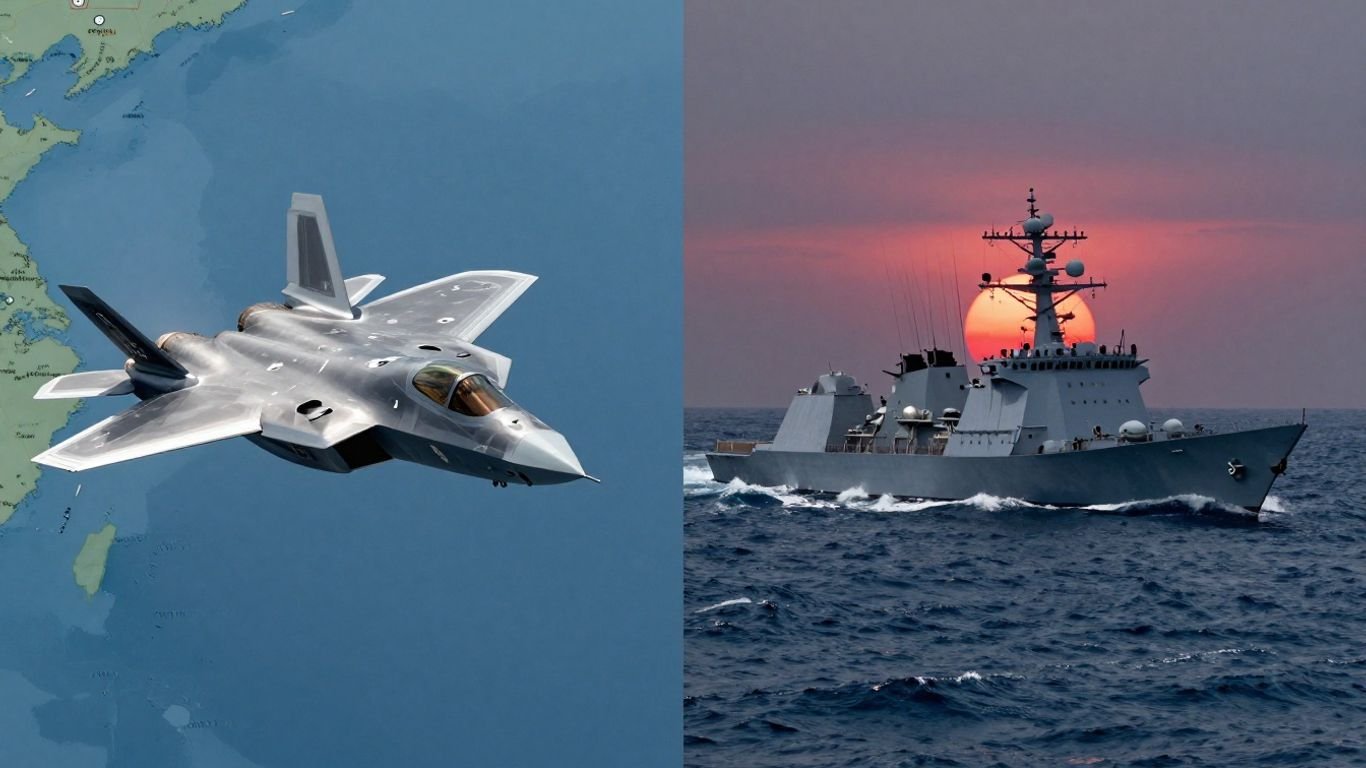

Rising diplomatic tensions between China and Japan over Taiwan have reached a critical point, leading to significant disputes and the withdrawal of a US missile system from Japan. The friction stems from Japanese Prime Minister Sanae Takaichi‘s remarks suggesting potential military intervention in a Taiwan Strait contingency, which Beijing views as a challenge to the post-war international order.
Japanese Prime Minister Sanae Takaichi’s recent statements to parliament, indicating Japan’s justification for military deployment in a Taiwan conflict under “collective self-defence,” have ignited a fierce response from Beijing. China has condemned the remarks as “seriously damaging bilateral ties and challenging post-war international order,” leading to retaliatory measures including a travel warning for Japan and the cancellation of exchange events. Despite Beijing’s demands, Takaichi has not retracted her statement, though she has indicated a reluctance to discuss specific future scenarios.
Coinciding with the deepening diplomatic rift, a US Typhon Mid-Range Capability (MRC) missile launcher system, deployed to Japan’s Iwakuni base, has been withdrawn. The system, capable of striking targets up to 1,800 km away, including major Chinese cities like Beijing and Shanghai, was initially deployed for the “Resolute Dragon 2025” joint exercise. Its prolonged presence beyond the exercise’s conclusion had raised concerns about a potential permanent deployment, prompting protests from civic groups. The Japanese Defence Ministry confirmed the system’s removal, though the reasons for the delay remain undisclosed.
Chinese President Xi Jinping used a phone call with US President Donald Trump to reiterate Beijing’s stance on Taiwan, stating its “return to China is an integral part of the postwar international order.” Trump, in a separate call with Takaichi, reportedly discussed China relations, though his public statements following the call with Xi did not mention Taiwan. Analysts suggest that Beijing is seeking to leverage its relationship with Washington to influence Tokyo’s rhetoric on cross-Strait issues. However, despite these high-level communications, experts warn that a de-escalation of the current crisis is not imminent, with bilateral relations expected to remain strained.
Beijing has employed economic pressure against Tokyo, including restricting Japanese seafood imports and advising citizens against travel to Japan. While both nations aim to avoid military conflict, the deep freeze in relations, reminiscent of past Chinese economic coercion against South Korea and Australia, could persist for an extended period. The situation highlights the delicate geopolitical balance in the region and the centrality of the Taiwan issue in Sino-Japanese relations.