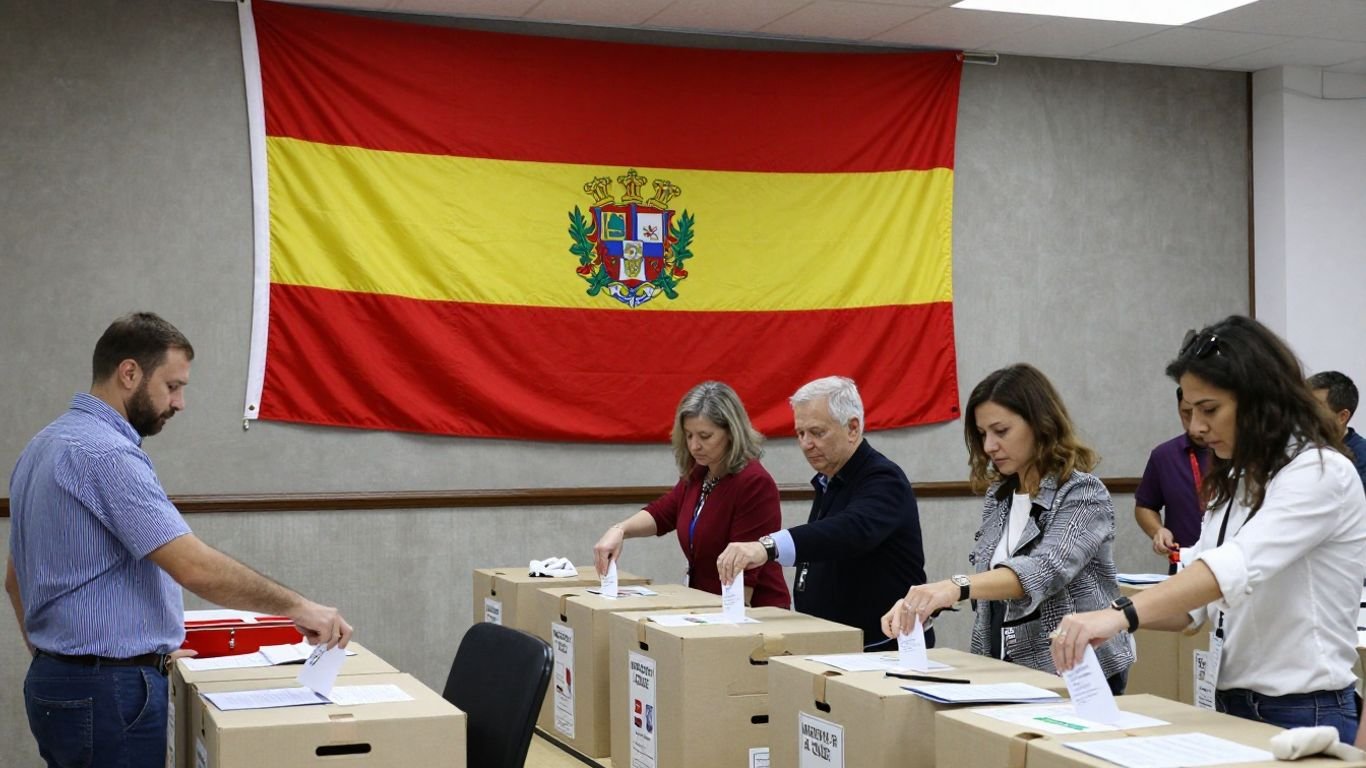

Bulgaria is gearing up for yet another parliamentary election, scheduled for April 19, as the nation grapples with persistent political instability. President Iliana Iotova announced the date, appointing a caretaker government to oversee the process and address pressing economic concerns following the country’s recent adoption of the Euro. This marks the eighth election since 2021, highlighting a deep-seated fragmentation in the political landscape.
The decision to hold snap elections comes after the collapse of the previous governing coalition, led by the center-right GERB party. This collapse was precipitated by nationwide protests at the end of 2025, fueled by public anger over corruption, injustice, and perceived oligarchic influence. The country has struggled to form stable ruling coalitions since 2021, with no prime minister completing a full four-year term in recent years.
President Iliana Iotova has appointed Andrey Gyurov as the interim Prime Minister. Gyurov, who previously served as deputy governor of the Bulgarian National Bank, is tasked with ensuring fair and transparent elections and restoring public trust. His caretaker Cabinet is expected to focus on these critical tasks, as well as addressing public concerns about rising prices following Bulgaria’s entry into the Eurozone on January 1.
Adding another layer to the political landscape, former President Rumen Radev resigned in January to launch his own election campaign. He had been a vocal critic of the previous government and a supporter of the anti-corruption protests. His move signals a potential shift in the political dynamics as parties prepare for the upcoming vote.
The upcoming election takes place against a backdrop of economic challenges, including concerns about inflation and the impact of the Euro adoption. Analysts suggest that the election could potentially strengthen nationalist and pro-Russia groups in parliament. The repeated electoral cycles underscore the deep divisions and the difficulty in forming a cohesive and stable government in Bulgaria.