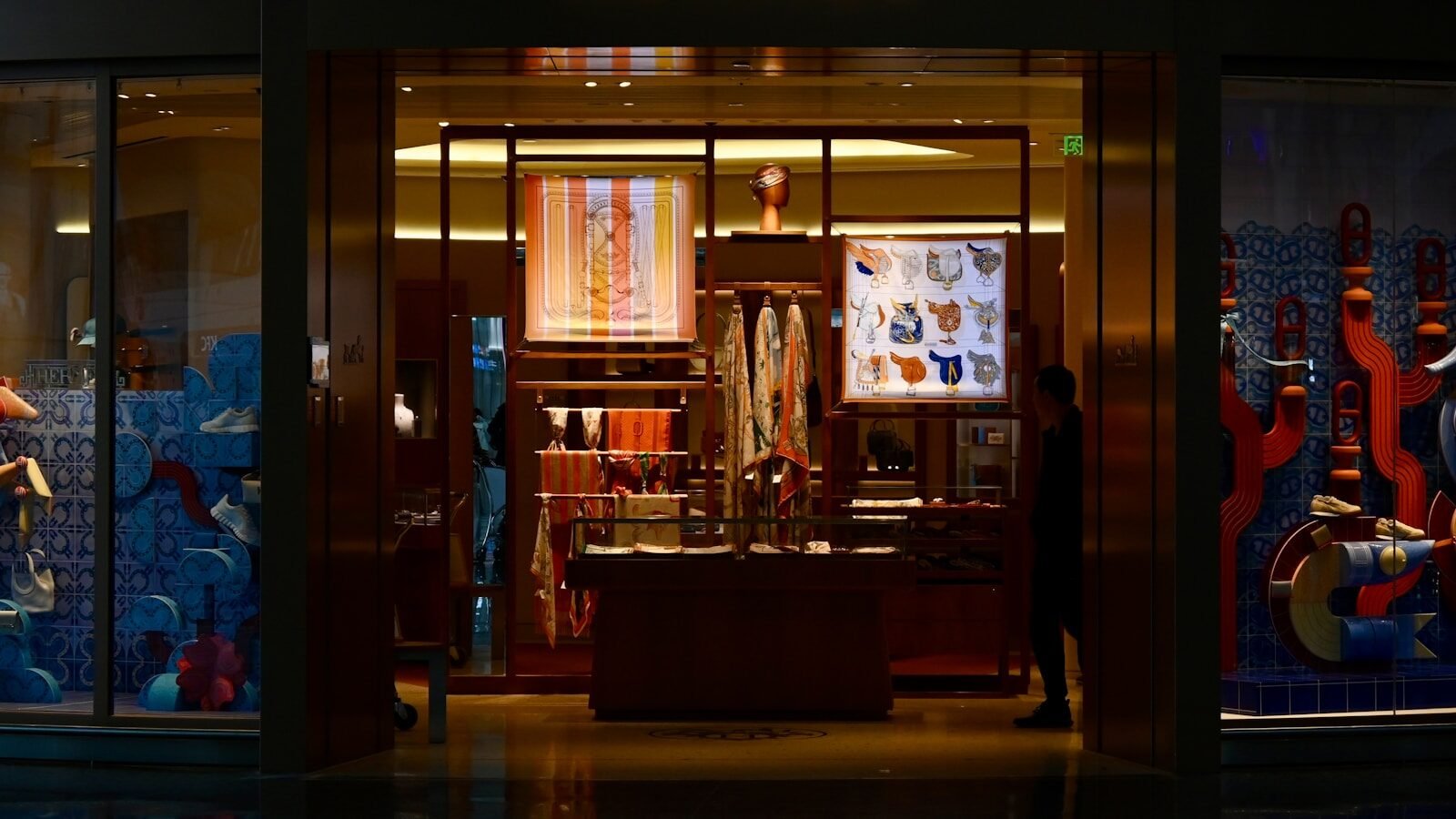

Luxury brands are experiencing a significant sales decline as the ongoing conflict in the Middle East and broader geopolitical tensions deter shoppers. Once a robust growth engine, the region’s opulent malls are now seeing reduced footfall, impacting major players like LVMH, Kering, and Hermès. This downturn is compounded by a slowdown in China and challenges in attracting younger consumers, creating a complex market landscape for high-end retailers.
For years, the Middle East, particularly the United Arab Emirates and Saudi Arabia, was a beacon of growth for the global luxury market. Billions invested in tourism and lavish lifestyles attracted legions of shoppers to upscale malls in Dubai, Abu Dhabi, and Riyadh. However, the escalating conflict has cast a shadow over this promising future. Major luxury houses, including LVMH, Kering (owner of Gucci), and Hermès, have all warned of a hit to their growth figures. Shares in Kering and Hermès saw a notable decline following quarterly sales that missed expectations. Kering specifically cited heightened geopolitical tensions affecting “traffic and performance,” with retail revenue in the Middle East down by 11 percent. Hermès reported a “slowdown in tourist flows linked to the situation in the Middle East,” significantly impacting sales in Gulf countries.
The immediate impact has been visible in the region’s usually bustling shopping centers. Reports indicate a significant drop in footfall at prominent malls like the Mall of the Emirates in Dubai and the Galleria Mall in Abu Dhabi. This decline is attributed to safety concerns stemming from the threat of missile strikes, leading to a dearth of visitors. Beyond immediate safety worries, broader economic uncertainty, including potential job prospect issues and salary deductions in the tourism and hospitality sectors, is causing consumers to spend more intentionally, further affecting the luxury market. While some local spending may continue, the overall mood has shifted from lavish indulgence to cautious spending.
The disruption in the Middle East is not confined to the region. It has had a ripple effect on tourism flows across Europe, impacting duty-free sales at airports – a crucial revenue stream for many luxury brands. Operations at major airports, including Dubai International Airport, have been severely affected, leading to a sharp decline in wholesale sales at airport concession stores. Furthermore, analysts express concern about the indirect effects of the conflict, such as potential increases in energy and food prices, which could erode consumers’ budgets and dampen demand for luxury goods globally. This comes at a time when the luxury sector was already facing headwinds from a slowdown in China and challenges in engaging Gen Z consumers, making the current geopolitical climate a significant threat to hopes of a swift recovery.