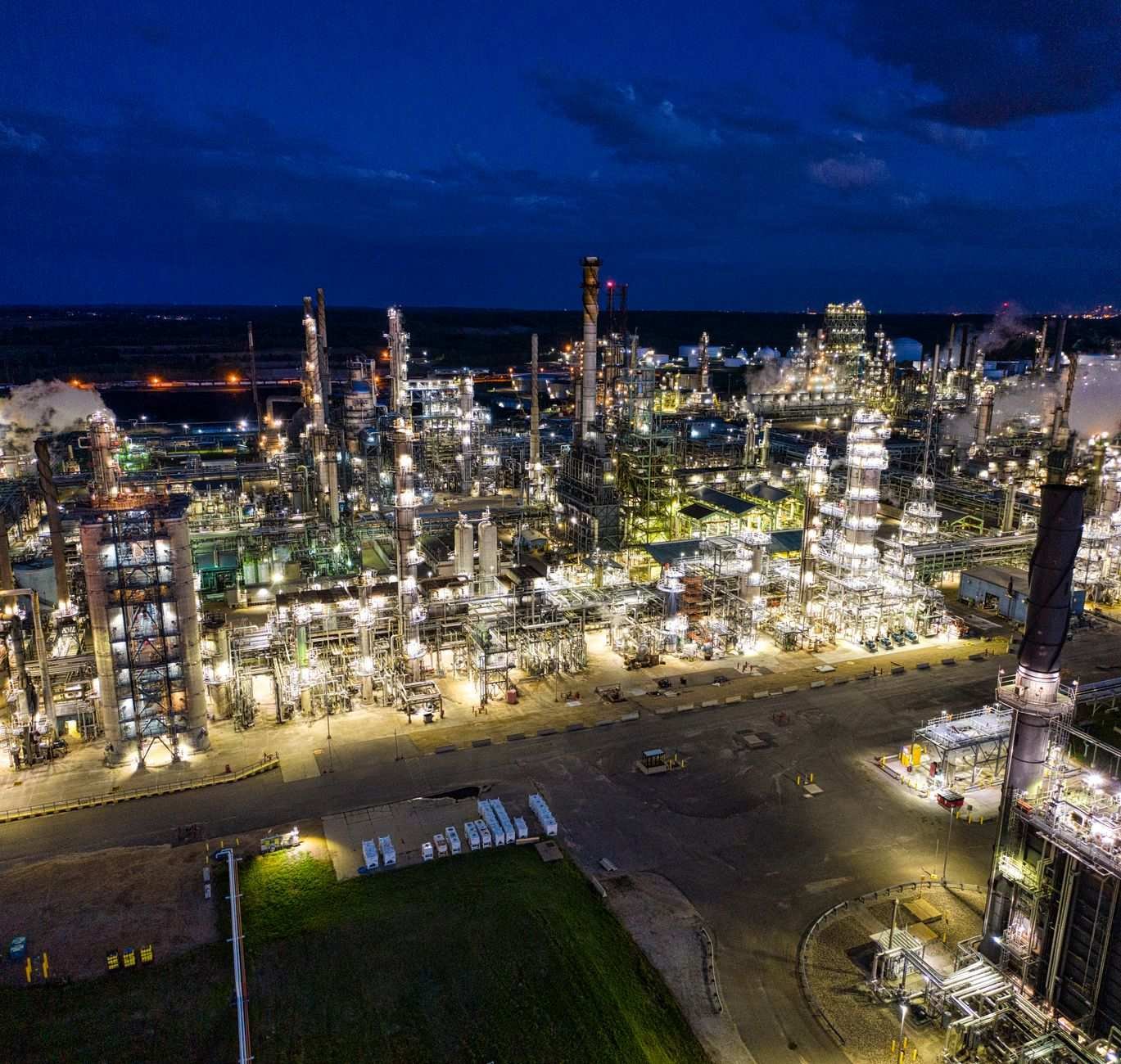

Shell more than doubled its second-quarter profit to $9.84bn (£7.4bn), marking the company’s strongest quarterly result in four years as oil and gas prices surged amid the war involving Iran in the Middle East.
The figure for the three months ending in June was more than twice the profit the FTSE 100 group posted in the same period last year, when it had reported its softest results in nearly five years.
Europe’s largest oil and gas company benefited from a sharp climb in fossil fuel prices, with crude having pushed past $100 a barrel as the conflict disrupted regional supply and heightened concerns over the flow of energy through key shipping routes.
The result underscores how the world’s biggest energy producers have reaped windfall gains from the volatility, reversing a run of weaker earnings that had followed the retreat in prices seen earlier in the cycle.
Shell’s rebound follows a period of pressure on the sector, when the company had leaned on shareholder returns to reassure investors despite softer profits in previous quarters.
The bumper earnings quickly reignited political debate in Britain. Environmental campaigners renewed their calls for a windfall tax on energy companies, arguing that the profits should be used to support households facing elevated energy bills.
Critics of such levies counter that additional taxation could discourage investment in domestic energy supply at a time of geopolitical uncertainty, leaving policymakers to weigh consumer relief against long-term energy security.
The surge in prices has proven a double-edged development across the global economy, lifting the balance sheets of producers while adding to inflationary pressures for consumers and industries reliant on fuel.
Shell’s peers among the international energy majors are also expected to report stronger results this earnings season, as the sector as a whole absorbs the impact of the price spike triggered by the conflict.
Investors will now watch how Shell allocates its enlarged cash pile, with attention focused on the scale of any buyback programme and dividend adjustments. The company has consistently prioritised shareholder returns even through leaner quarters, and the latest windfall is likely to sustain that approach.
Much will also depend on the trajectory of the Middle East conflict and its effect on energy markets, with prices remaining highly sensitive to any further escalation or signs of de-escalation in the months ahead.