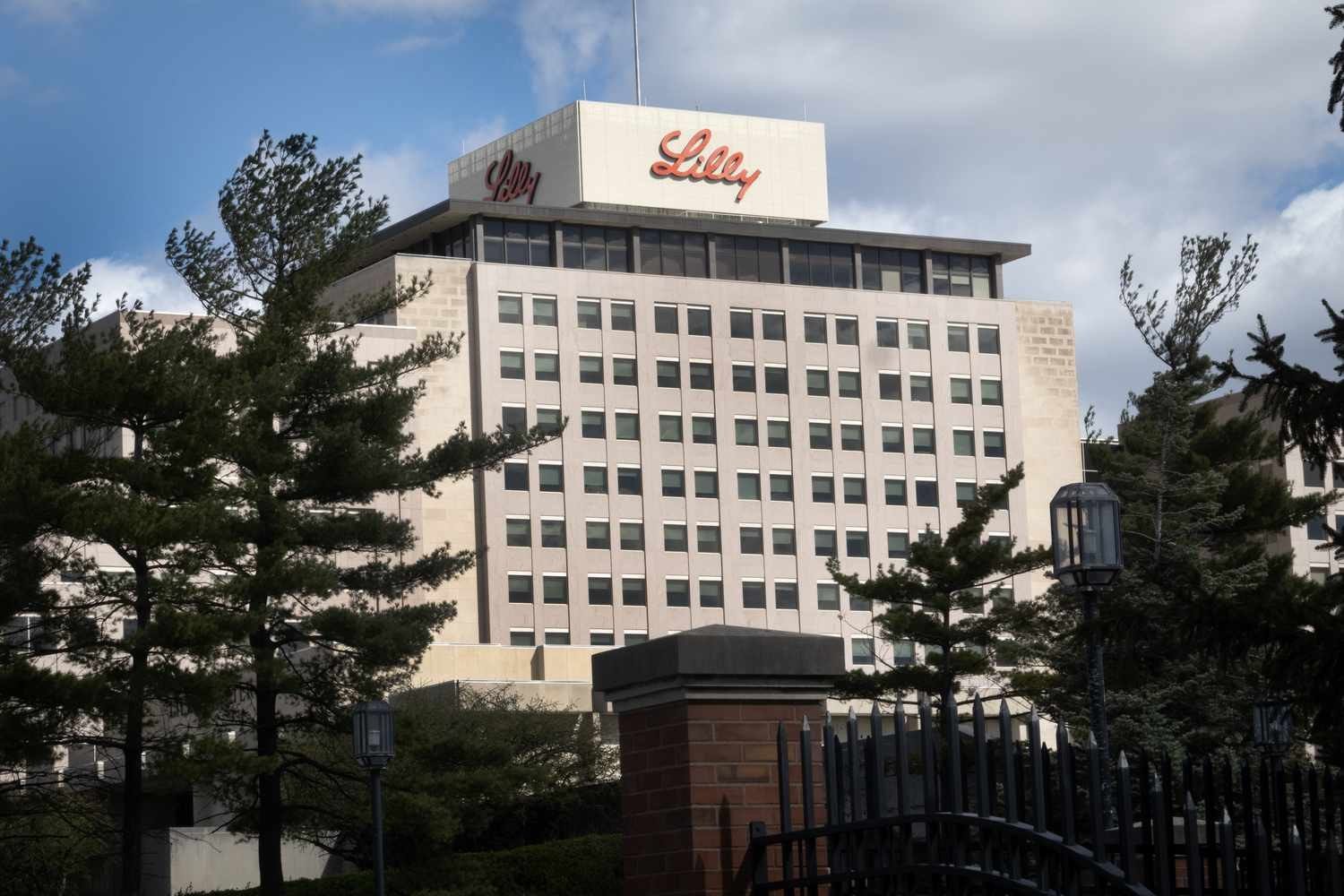

Eli Lilly has raised its full-year revenue forecast on the back of surging demand for its blockbuster obesity and diabetes treatments, sending its shares higher and widening the company’s lead over rival Novo Nordisk in the fast-growing weight-loss market.
The upgraded outlook was driven by strong sales of Mounjaro, the company’s diabetes therapy, and Zepbound, its weight-loss counterpart. Both drugs belong to the class of GLP-1 medications, which mimic a gut hormone to regulate blood sugar and curb appetite.
Investors responded swiftly, pushing the stock sharply upward as the results underscored the pharmaceutical giant’s dominant position in a market analysts expect to expand rapidly over the coming decade.
The performance marks the latest chapter in a run of strong quarterly results for the company, which has repeatedly struggled to keep pace with global demand for its treatments. Earlier this year, the drugmaker reported a similar surge in quarterly revenue tied to the same two products, prompting successive upgrades to its financial targets.
The widening sales gap has intensified competition with Novo Nordisk, the Danish maker of Ozempic and Wegovy, which had long been considered the pioneer of the modern weight-loss drug category. The Danish firm has faced its own pressures, including leadership changes as it seeks to defend its market share.
Demand for GLP-1 therapies has reshaped the global pharmaceutical landscape, with the treatments increasingly viewed as a potential answer to rising rates of obesity and type 2 diabetes worldwide. Both companies have invested heavily in manufacturing capacity to address persistent supply shortages.
The strength of the obesity franchise has also fueled a broader race to develop next-generation treatments, including oral formulations that could reach a wider population than the current injectable options.
This development comes as pharmaceutical firms weigh expansion into major markets across Asia, where growing middle-class populations and rising metabolic disease rates present significant long-term opportunities.
With demand showing few signs of easing, the company is expected to continue scaling production and advancing its pipeline as it works to consolidate its position at the forefront of the weight-loss and diabetes treatment market.