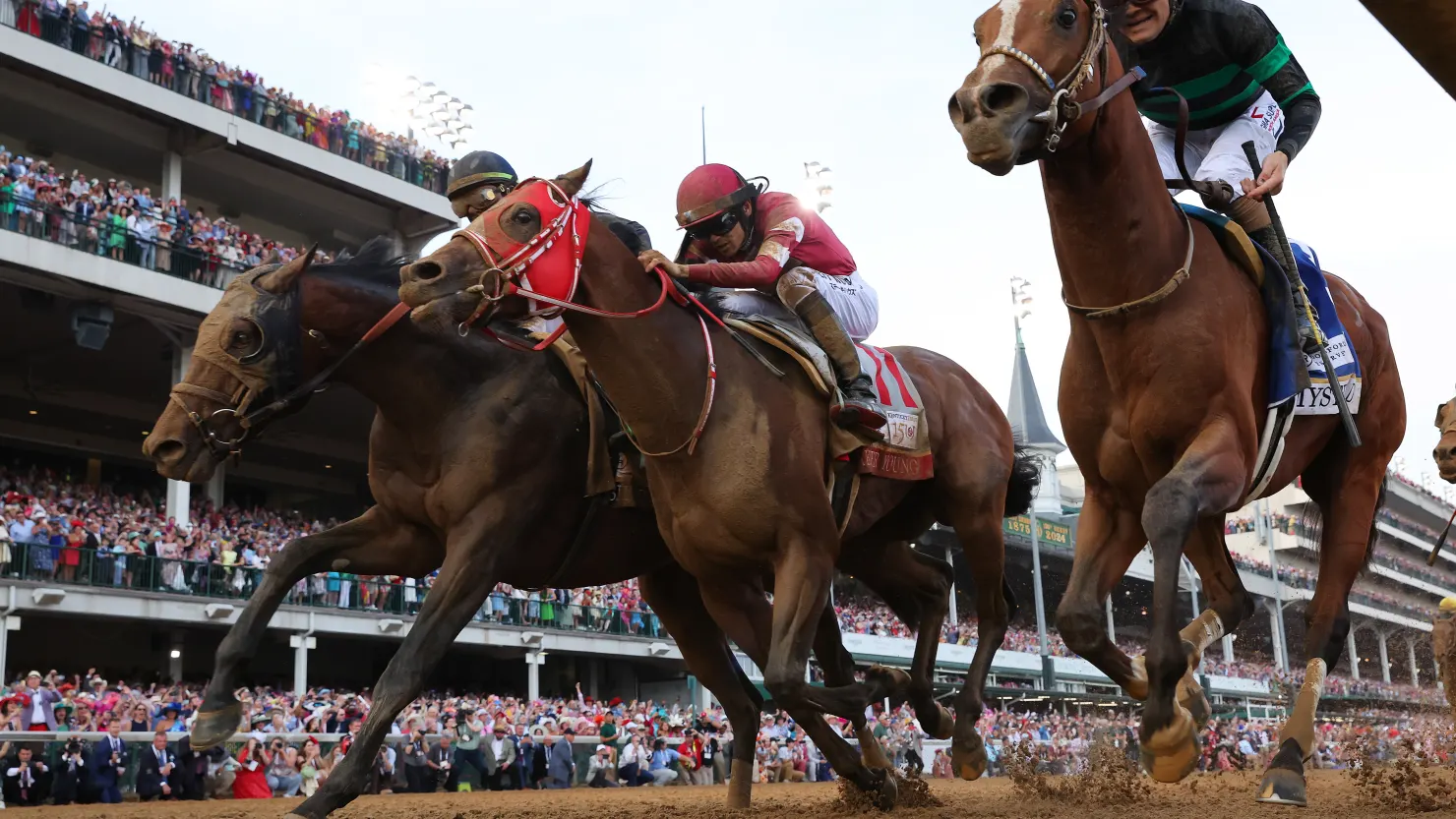

The 151st Kentucky Derby kicks off this Saturday, with the winner taking home $3.1 million from a $5 million purse. Among the crowd at the finish line will be Steven Mason, a senior private banker from Bank of America based in Nashville, Tennessee. Specializing in high-net-worth equestrian clients, Mason understands this niche market well, having grown up in Kentucky and purchased a small horse farm for his daughters after relocating.
Mason describes horses not just as financial assets but as a way of life. While some clients treat their horses as investments, others see them as an extension of their identity. Despite the glamour, he cautions that horses are passion assets—illiquid and uncertain in return. The joy of ownership, rather than guaranteed financial gain, is often the real value for many of these investors.
An increasing number of first-time horse owners come from entrepreneurial backgrounds, often entering the market following a liquidity event. High-profile investors, including former hedge funders, have joined the ranks of racehorse owners. Instead of selling appreciated assets and triggering capital gains taxes, many clients prefer to finance their purchases through private credit lines backed by marketable securities. These loans typically carry floating interest rates tied to the secured overnight financing rate (SOFR), which has averaged 4.35% recently, plus an additional bank spread.
However, banks avoid using horses themselves as collateral due to the unpredictable nature of live animals. For top-performing racehorses, the most significant returns are often from stud fees rather than race winnings. Fees for breeding can exceed $300,000 per season, with horses typically bred to 30 or 40 mares.
Even as horse racing declines in popularity overall, demand for elite horses remains strong. Syndicates have made ownership more accessible, fueling record-breaking auction sales. For example, Keeneland’s yearling sale reached $428 million last year, with an average sale price of over $150,000. At premier events, such as Fasig-Tipton’s November sale, prices can hit seven figures.
The care of a thoroughbred costs up to $60,000 annually, and with horses living 25 to 30 years, long-term planning is essential. Mason often recommends clients set up trusts to ensure ongoing care, easing concerns about burdening heirs. He believes that sharing these passions strengthens client relationships, turning financial advice into lifelong partnerships.
READ MORE: