
China is expected to set its 2026 economic growth target within a range of 4.5% to 5%, a shift that would give policymakers more flexibility as the country deals with weak domestic demand, property-sector strain, and uncertain global conditions.
Instead of a single headline target, officials are reportedly considering a band that allows room for slower growth without triggering immediate political pressure for heavy stimulus. The move would also signal that Beijing is preparing for a more challenging environment in 2026, even after meeting its official target in 2025.
The potential range-based target comes as China begins outlining priorities for the next phase of its economic strategy, including stronger support for consumption, upgrades in advanced manufacturing, and long-term investment in technology. Analysts say setting a range would give authorities space to calibrate policy depending on export performance, job creation, and financial stability.
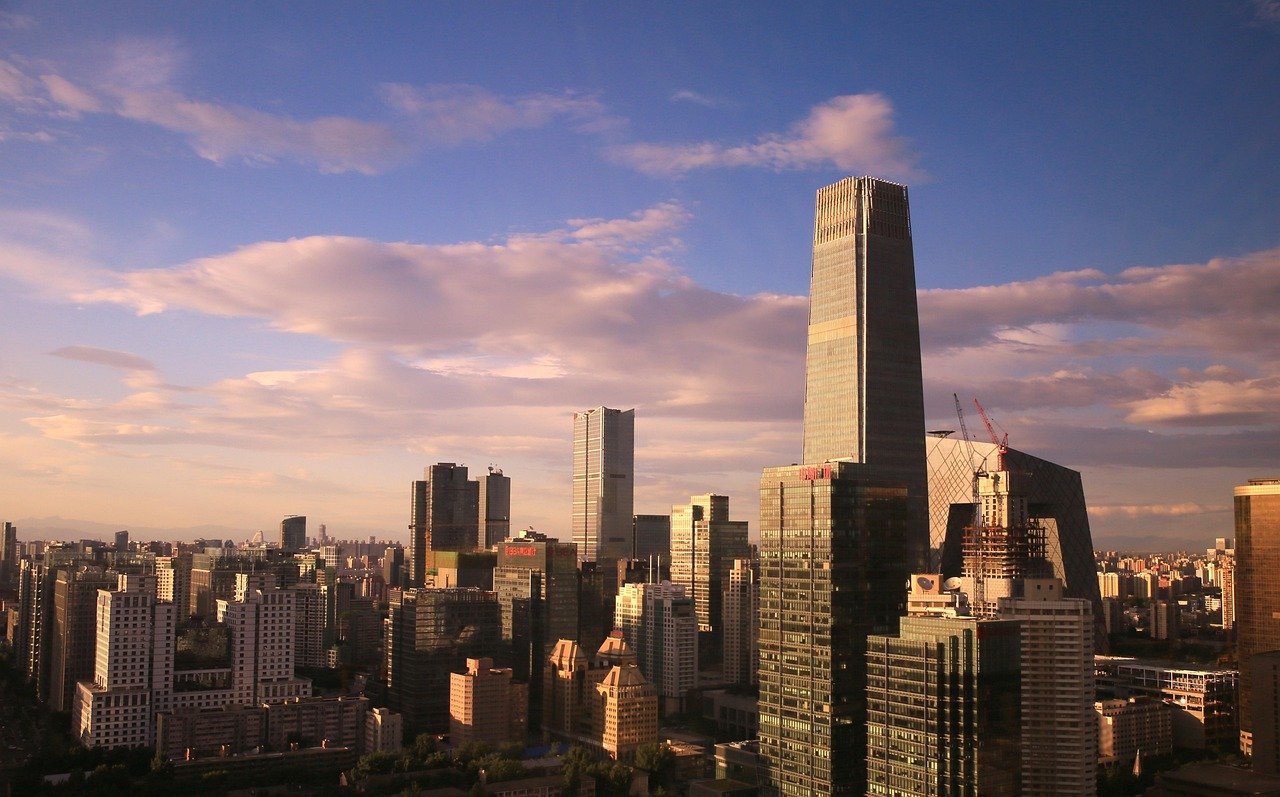
At the local level, China’s capital also released its own longer-term guidance. Beijing municipality announced a GDP growth goal of 4.5% to 5% on an annual basis over the coming five years, reflecting a similar push for steady, manageable expansion rather than rapid growth.
The combination of a lower national target and a stable capital-city plan highlights a broader message: China appears increasingly focused on resilience and “quality growth” rather than chasing high numbers at any cost. At the same time, the government still faces pressure to boost confidence, revive private-sector investment, and prevent a deeper slowdown in household spending.
If confirmed at China’s annual policy meetings in March, the new approach would mark a meaningful shift in how Beijing communicates economic expectations — and how it manages the trade-off between growth, risk, and long-term stability.