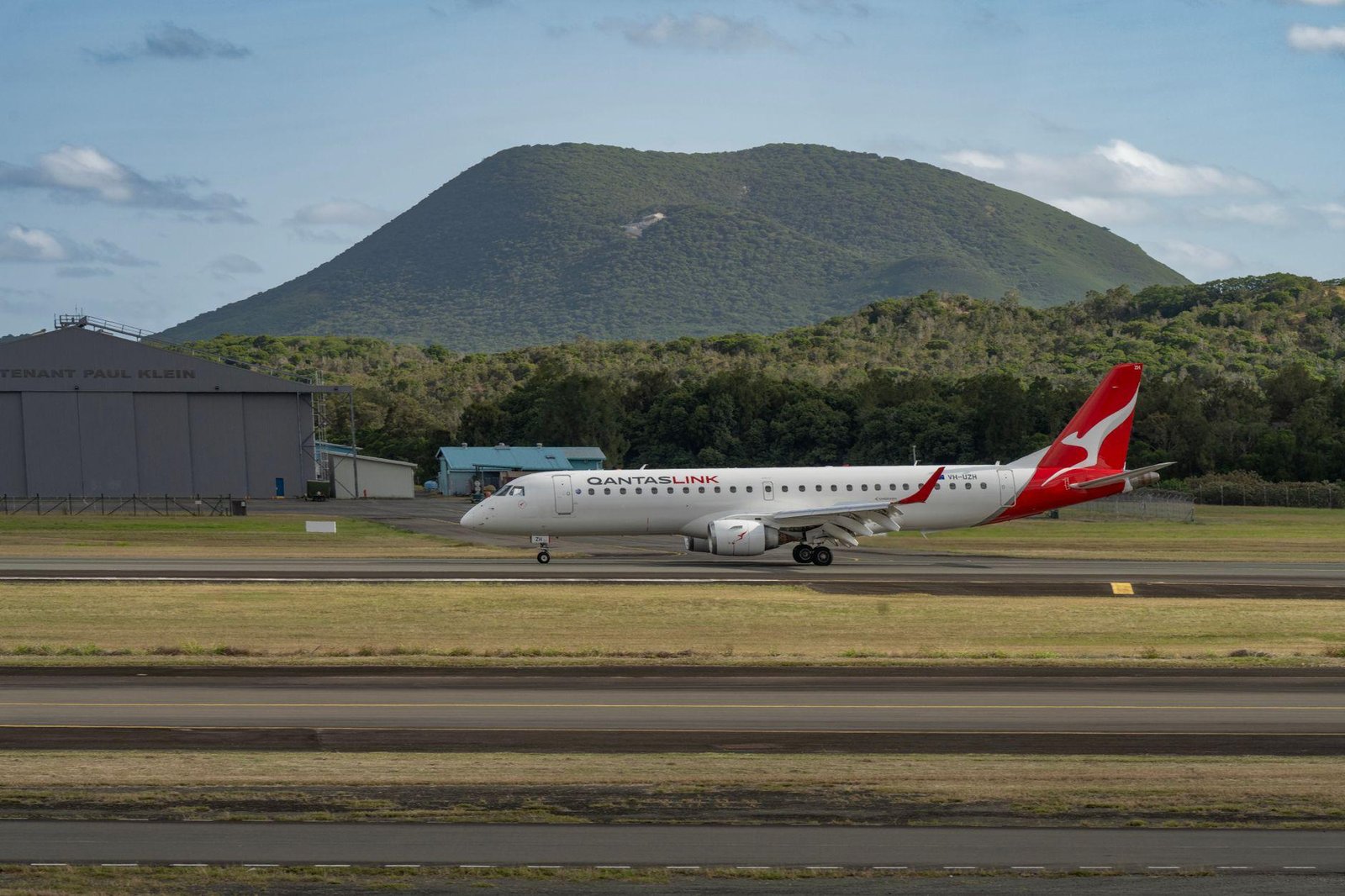

Facing higher fuel bills, Qantas reported its lowest pre-tax profit in four years on Thursday, yet its shares climbed 4% after the airline unveiled redesigned business-class seats and pointed to sustained demand for premium travel.
The Australian carrier said elevated jet fuel costs weighed on full-year earnings, a pressure it linked in part to instability affecting oil markets. Even so, investors responded to the results and the premium cabin upgrade, sending the stock higher in early trading.
Chief Executive Vanessa Hudson said the company could push for additional revenue because passenger demand had stayed strong despite cost-of-living pressures on households. That stance opens the door to higher ticket prices across the network in the year ahead.
Qantas also plans to expand add-on fees at its low-budget carrier, Jetstar, building on a recent move to charge for larger carry-on bags. The airline declined to forecast how the new charges would affect Jetstar revenue or ticket sales, framing the fees instead as giving travellers more choice over what they pay for overhead baggage.
For consumers, the combined message is direct: fares may rise, and extras once bundled into a ticket price could increasingly carry a separate cost, particularly on budget routes. Passengers willing to travel light stand to avoid some of those charges, while others may pay more.
The new business-class seats reflect a wider industry bet that travellers will keep spending on comfort even as they trim other budgets. Carriers worldwide have leaned into premium cabins as a reliable source of margin, and Qantas is positioning its refreshed product to capture that spending on long-haul routes.
Behind the numbers, the results capture a familiar tension for airlines. Fuel remains one of the least controllable costs, while premium demand and ancillary fees offer levers management can pull to protect earnings. Qantas is leaning on both.
The company’s dual approach — investing at the top end while adding fees at the value end — mirrors strategies seen across the sector as operators work to rebuild profitability after a volatile stretch for costs and travel patterns.
Travellers booking with Qantas or Jetstar in the coming months should expect the pricing structure to shift, with more elements of a fare itemised and premium seating pitched as the airline’s growth engine.