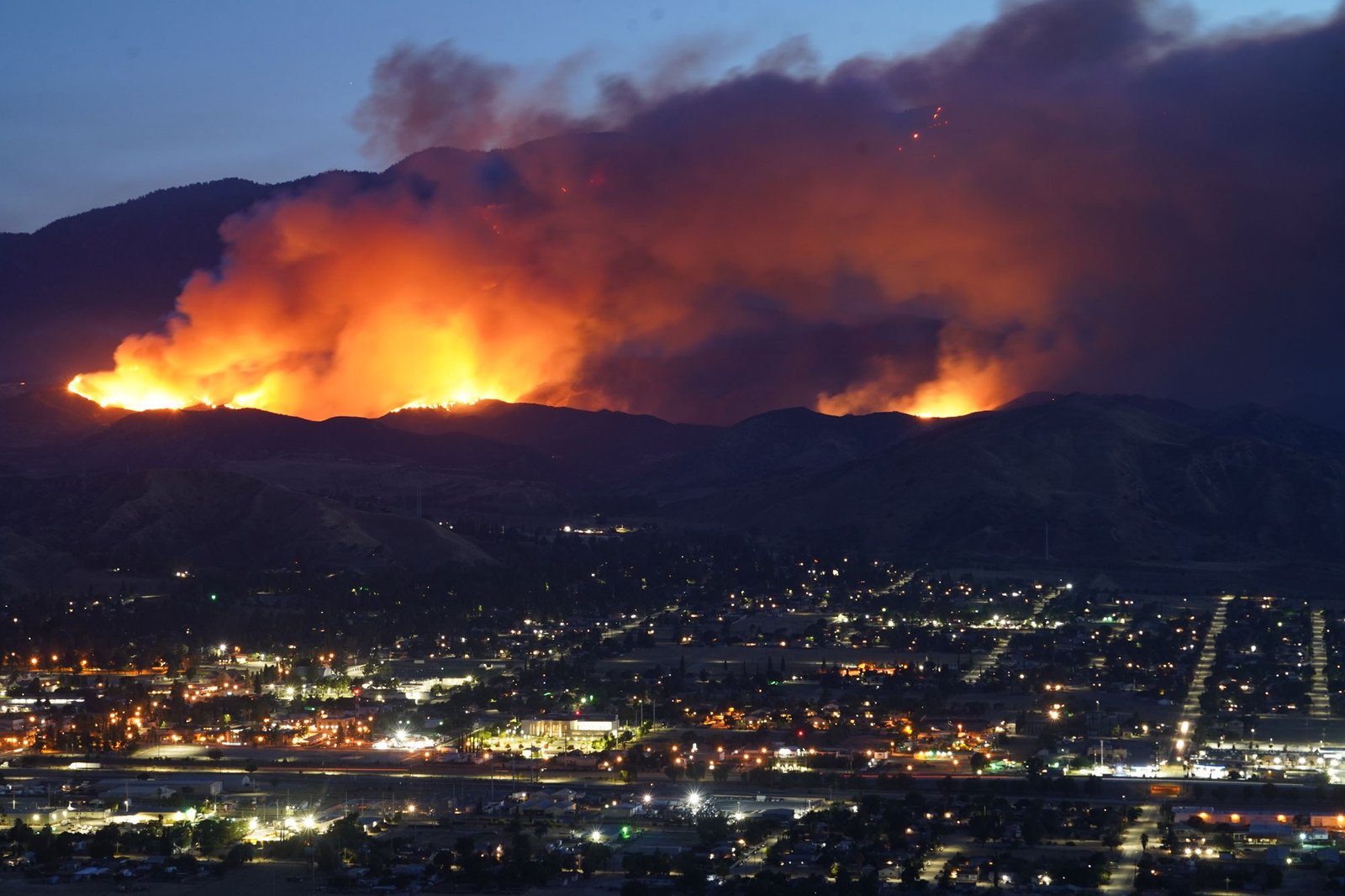

Shares in California’s largest utilities dropped sharply after state lawmakers advanced a wildfire bill that offered new protections for fire victims but left investors exposed to potentially large liability claims. The selloff extended across the sector as traders reassessed the financial risks tied to future blazes.
PG&E Corp. fell roughly 18%, while Edison International tumbled about 23%, as the legislation circulated among analysts and investors. The measure, focused on victim compensation, contained no cap on the liability that utilities could face when their equipment is linked to wildfire damage.
The absence of a liability ceiling was the central concern. Analysts described the bill as “more focused on victim protections without any new investor protections,” a framing that removed the buffer many shareholders had expected the state to provide against catastrophic losses.
California utilities have carried heavy financial exposure to wildfires for years. Equipment operated by power companies has been tied to several destructive fires in the state, producing multibillion-dollar claims and, in PG&E’s case, a period of bankruptcy protection. The state previously created mechanisms intended to share those costs and reassure lenders and investors.
For investors, the latest bill reopened questions many had considered settled. Without a defined limit on liability, the range of possible losses in any given fire season becomes harder to model, which pushes up the risk premium markets attach to utility shares. That uncertainty helps explain the scale of the single-day declines.
Behind the numbers, the drop reflects a broader tension between two goals lawmakers are trying to balance: ensuring that people who lose homes and businesses are made whole, and keeping the utilities that supply power to millions of residents financially stable enough to raise capital and fund grid upgrades.
The sharp moves recall other episodes where policy or earnings surprises have rattled large-cap shares, similar to the way markets recently reacted when investors questioned the timing of returns at major technology firms. In each case, a shift in the expected risk profile drove an immediate repricing.
The bill still moves through the legislative process, and its final language could change before any measure reaches the governor’s desk. Utilities and their investors will press for provisions that limit exposure, while consumer and victim advocates push to keep compensation protections intact. How lawmakers reconcile those demands will shape both the sector’s cost of capital and the terms on which future fire victims are repaid.