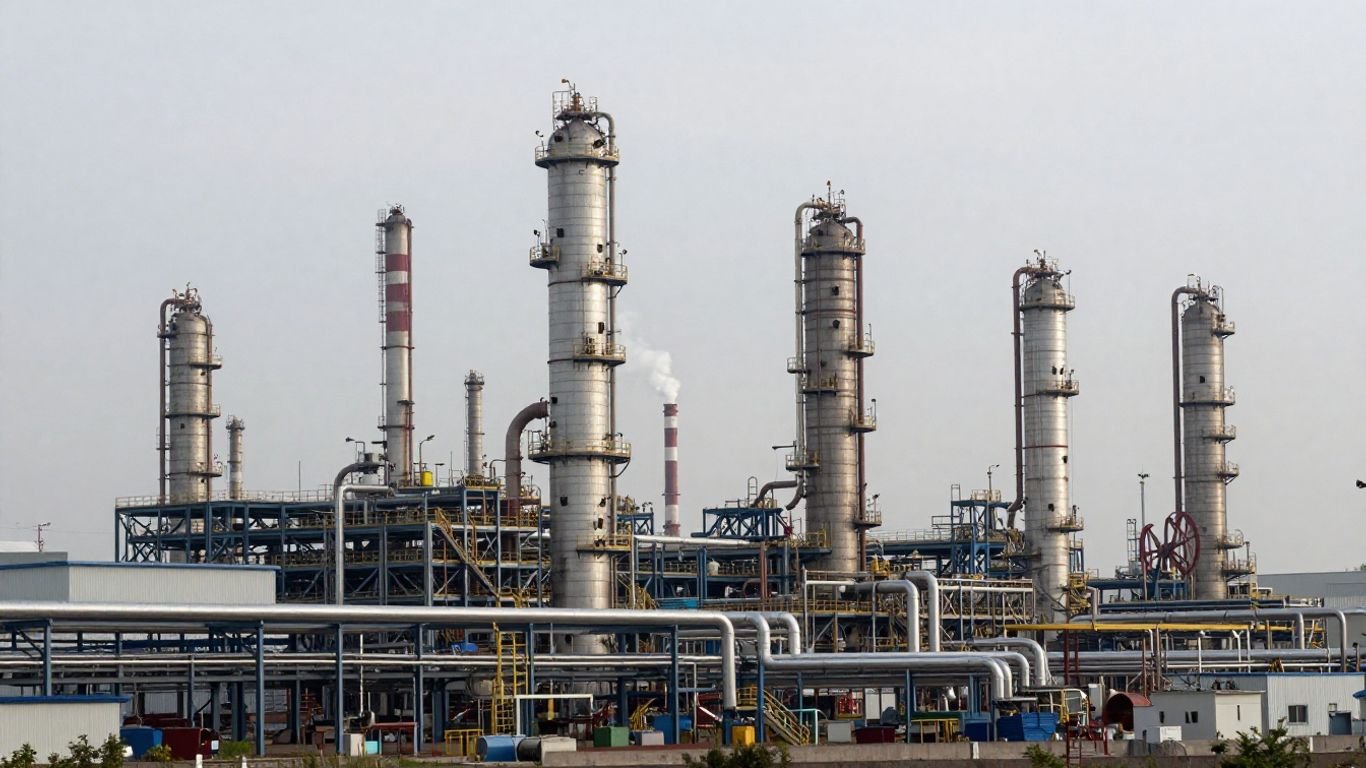

Amid escalating geopolitical unrest and severe supply disruptions in the global oil market, Chinese authorities have instructed private and independent refiners to maintain fuel output at last year’s levels, even if it means taking financial losses, to ensure domestic energy security.
China’s National Development and Reform Commission (NDRC), the nation’s top economic planner, called meetings this week with major private and independent oil refiners. Against a backdrop of surging oil prices and global supply uncertainty, officials emphasized the importance of stable domestic fuel supplies as a strategic priority.
At risk are the so-called “teapot” refiners in Shandong and other regions, which historically imported discounted Russian, Iranian, and Venezuelan crude oil. However, disruptions to these markets—and narrowing price discounts—have squeezed their margins, leading to record-low profits and pushing some toward potential output cuts.
To enforce compliance, authorities have tied future crude import quotas—vital to a refiner’s business—to the volume of fuel produced. A reduction in output could mean refiners face smaller quotas in the coming quarters or years, presenting a significant incentive to keep production high, even when costs outweigh returns.
China’s quota system is tightly managed, controlling which companies can import crude and in what quantities. Losing access to these quotas would be a serious blow to the refiners’ operations.
The directive arrives as Asian refiners struggle with escalating costs due to reduced Middle East crude shipments and a prolonged ban on Chinese fuel exports. As alternatives prove expensive and regional supply tightens, China’s priority is clear: stabilize the market at home, even as the rest of Asia pivots to costlier or less stable sources.
Refiners had previously enjoyed comfortable margins due to access to lower-priced, sanctioned oil. Now, with supply and transport disrupted by conflict and stricter enforcement of sanctions, those margins have rapidly evaporated. Data indicated negative processing margins in recent days—marking the worst financial squeeze since 2024.
China’s order underscores how geopolitical instability in key oil-producing regions rapidly translates to domestic economic impacts and policy measures. The risk of prolonged supply disruptions means China may continue strict controls and penalties to shield its market from shortages, even if it comes at the expense of refiner profitability.
Industry analysts suggest that, unless tensions ease or alternative supply routes open, these extraordinary directives might extend through much of the year, affecting both China’s fuel market and broader global energy flows.