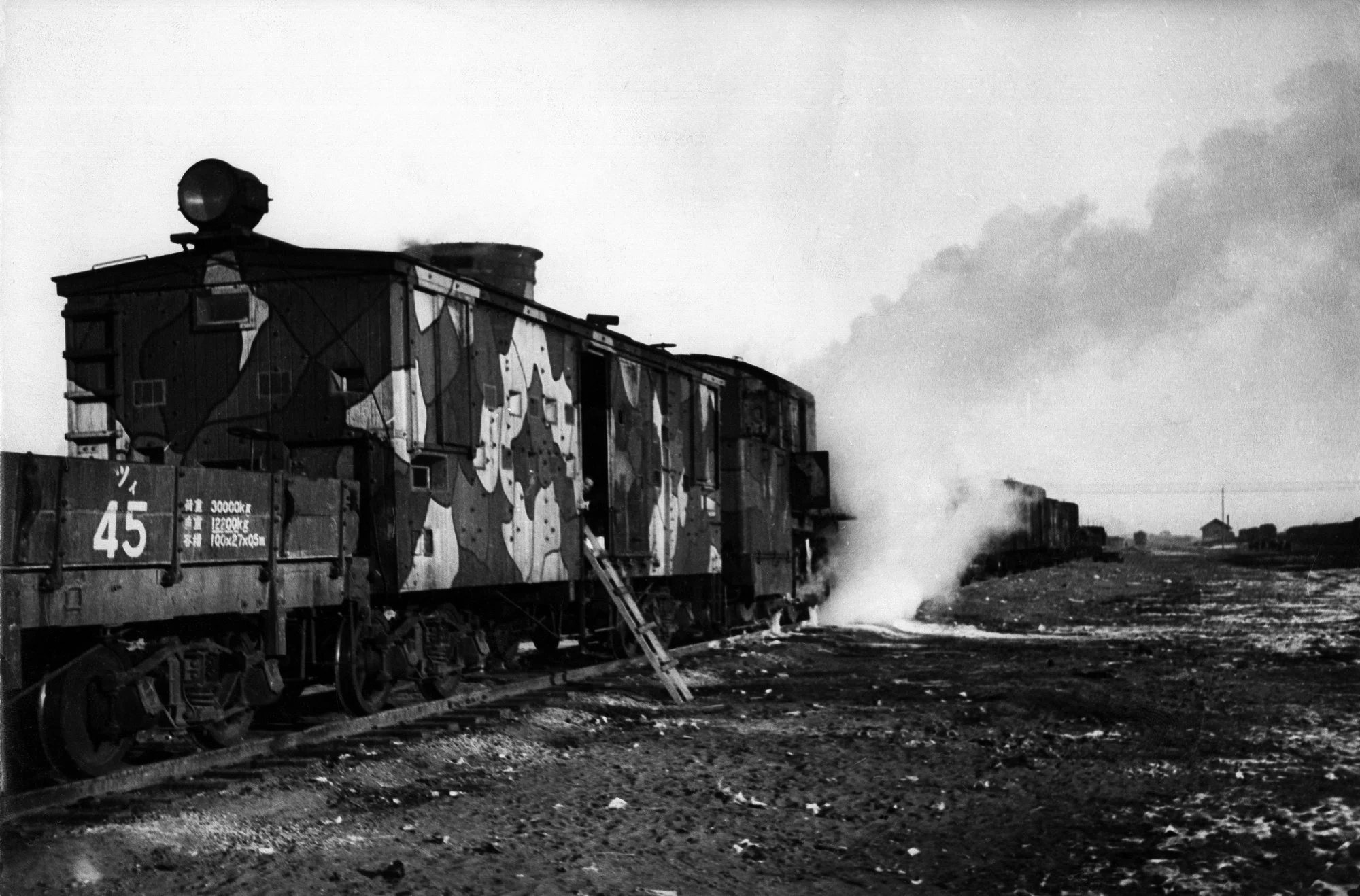

In the frost-laden landscape of Shenyang, formerly Mukden, lies a history profoundly shaped by the rise of railway imperialism. This city, once the cradle of the Qing dynasty, became the epicenter of seismic events that reverberated through the corridors of power in Asia. At the heart of these historical whirlwinds was the strategic use of railways, a symbol of modernity and a tool for empire-building.
The Mukden Palace, a majestic replica of Beijing’s Forbidden City, stands as a testament to the Qing dynasty’s lofty ambitions. However, it’s Shenyang’s more somber sites, like the September 18th Historical Museum, that reveal the true impact of railway politics in this region. The museum commemorates the Mukden Incident of 1931, a catalyst for Japanese expansion in Manchuria and a pivotal moment in the lead-up to World War II.
The Japanese Kwantung Army, operating with quasi-independence and closely aligned with the South Manchuria Railway Company, set the stage for the seizure of Manchuria. This false-flag operation, initially meant to safeguard Japan’s interests, spiraled into a full-scale occupation of the region, ultimately leading to the establishment of the puppet state Manchukuo.
The significance of railways in Manchuria’s history cannot be overstated. The Trans-Siberian Railway, extending its steel veins through the vastness of Russia, sought a shorter path through Chinese territory. The resultant Chinese Eastern Railway became a geopolitical chessboard, with powers vying for control over this strategic asset.
Japan, riding the waves of its rapid industrialization and emboldened by its victory over China in the Sino-Japanese War, turned its eyes towards Manchuria. The construction of the South Manchuria Railway under Japanese auspices marked a shift in the balance of power, as Japan solidified its grip on the region, transforming it into an economic powerhouse fueled by its rich natural resources.
The railways of Manchuria became symbols of Japanese dominance and ambition, igniting tensions that would eventually explode into total war in 1937. This conflict, part of the broader canvas of World War II, stemmed from the deep-rooted rivalry and strategic maneuvering that the railways had engendered.
In the post-war period, Manchuria, reabsorbed into the newly formed People’s Republic of China, witnessed a shift in its fortunes. The once-contested region, now rebranded as Dongbei, struggled to keep pace with China’s southern economic powerhouses. Despite this, Beijing has woven it into its vast high-speed railway network, connecting it with the rest of the country and underscoring the enduring importance of railways as instruments of national cohesion and sovereignty.
The legacy of Manchuria’s railway imperialism serves as a poignant reminder of how transportation infrastructure can shape the destinies of nations and regions. The historical narrative of Manchuria, from the Qing dynasty’s aspirations to Japanese colonization and the tumult of World War II, underscores the profound impact railways have had in shaping the geopolitical landscape of East Asia.
READ MORE: