
The Lunar New Year, a celebration rooted in the lunisolar calendar, is a significant festival observed by various Asian cultures, each with their unique customs and traditions. While it is widely known for its association with Chinese communities, the Lunar New Year’s cultural significance extends far beyond, encompassing a range of Asian countries and their diasporas worldwide. This festival typically occurs between late January and mid-February according to the Gregorian calendar and is celebrated in countries influenced by Confucian culture.
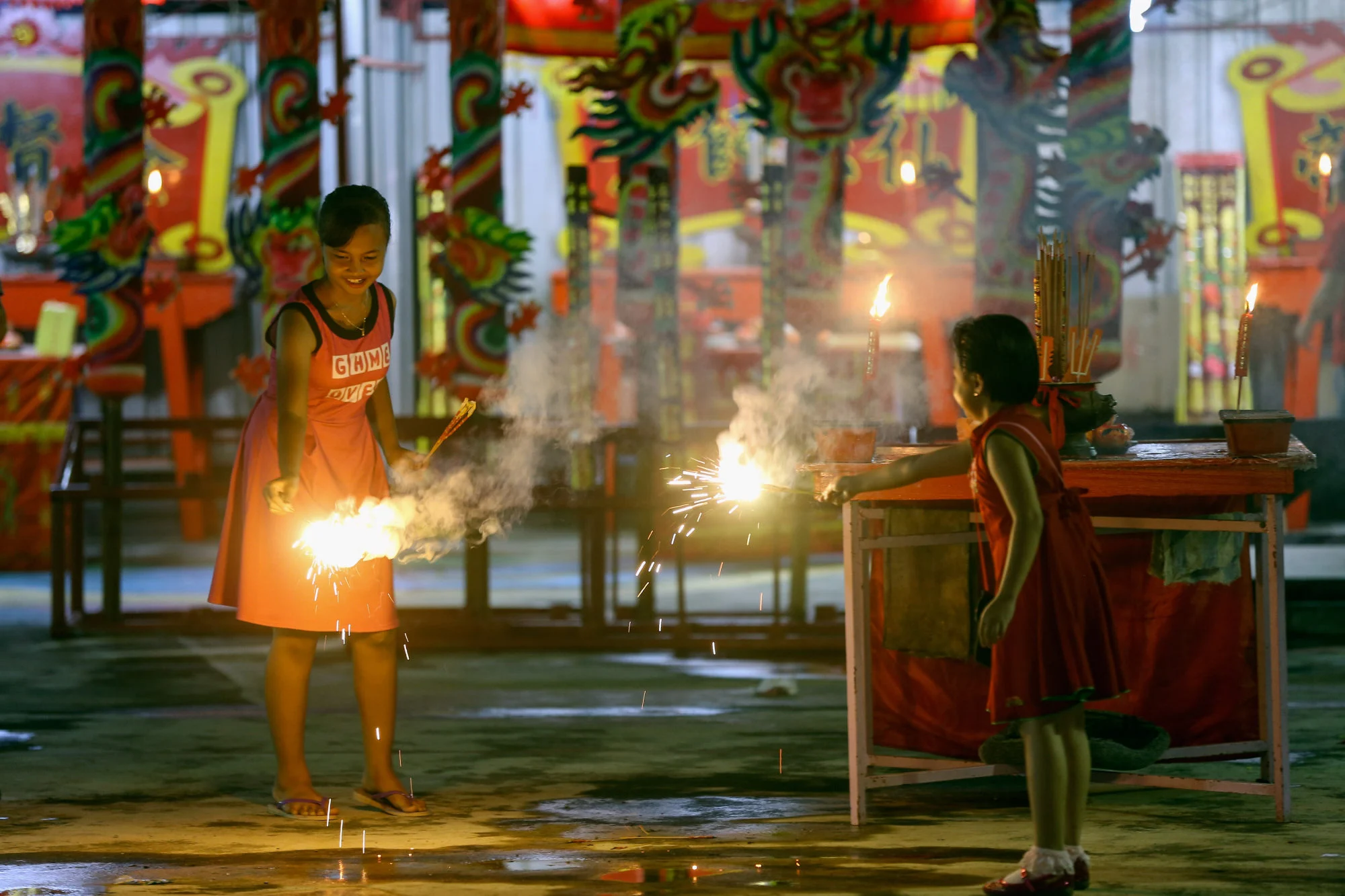
In China, including regions like Taiwan, Macau, and Hong Kong, the festival is known as the Chinese New Year or Spring Festival. The festivities involve setting off firecrackers, wearing new clothes, often in red to symbolize good luck and happiness, and the distribution of red packets or envelopes containing money (known as hong bao in Mandarin and lai see in Cantonese). Traditional foods such as niangao (glutinous rice flour cakes) and tangyuan (sweet dumplings in soup) are enjoyed, and lion dances are performed in the streets, adding to the vibrant atmosphere.
The Vietnamese New Year, commonly referred to as Tet Nguyen Dan or simply Tet, marks the start of the traditional Vietnamese calendar. The celebrations, which extend over three days, are slightly different from the Chinese lunisolar calendar. The Vietnamese calendar employs animal signs like the buffalo, cat, and goat, as opposed to the Chinese ox, rabbit, and goat. During Tet, Vietnamese families gather to honor their ancestors, exchange prosperity wishes, and indulge in traditional foods such as banh chung (sticky rice cakes) and mut tet (candied fruits).
In Korea, the Lunar New Year is known as Seollal and is also observed for three days in line with the Chinese lunisolar calendar. The celebrations include wearing new clothes, particularly hanbok (traditional Korean attire), performing ancestral rites, flying kites, and enjoying traditional foods like tteokguk (rice cake soup) and mandu (dumplings).
Tibetans, both within and outside China, celebrate Losar, marking the first day of the Tibetan lunar calendar. The festival features monastic rituals, dances, family gatherings, and the hoisting of prayer flags on hills and around houses. Tibetan households are adorned with holy altars, abundantly decorated with offerings.
Mongolian Lunar New Year, known as Tsagaan Sar, is characterized by its traditional food, cultural performances, and the exchange of well-wishes. Celebrated over three days, Mongolians visit friends and relatives, sharing small gifts and abundant food, including buuz (dumplings).
In Malaysia and Singapore, the Chinese communities celebrate Tahun Baru Cina and Chinese New Year, respectively, with customs like lion dances and family reunions. The Philippines also recognizes Lunar New Year as a public holiday, with tikoy (sticky rice cake) exchanges and the distribution of red envelopes (ang pao) to children.
Thai Chinese, on the other hand, place a strong emphasis on honoring ancestors during the Lunar New Year. Offerings of fruit, taro, sweets, and more are presented on altars, followed by incense burning. Family reunions over elaborate meals and temple pilgrimages for blessings and good weather in the new year are common practices.
Despite the variations in celebrations, these cultures share common themes in their Lunar New Year observances. They all emphasize the importance of family bonds, honor ancestral traditions, and seek blessings and prosperity for the upcoming year, weaving a rich tapestry of traditions across Asia.
READ MORE: