
In an extraordinary archaeological achievement, a team in southwest China has uncovered a well-preserved burial site dating back to the early Western Han dynasty (202 BC – 25 AD). The site, found during the construction of a hydropower project in Chongqing municipality, is believed to have been sealed in 193 BC, making it the earliest known Western Han burial site discovered in China.
The exceptional condition of the site is attributed to its underwater location, which protected the chamber from being breached. This allowed the wooden coffin and numerous funerary objects to remain undisturbed and in excellent condition for over two millennia. The discovery was reported by the state-owned newswire Xinhua.
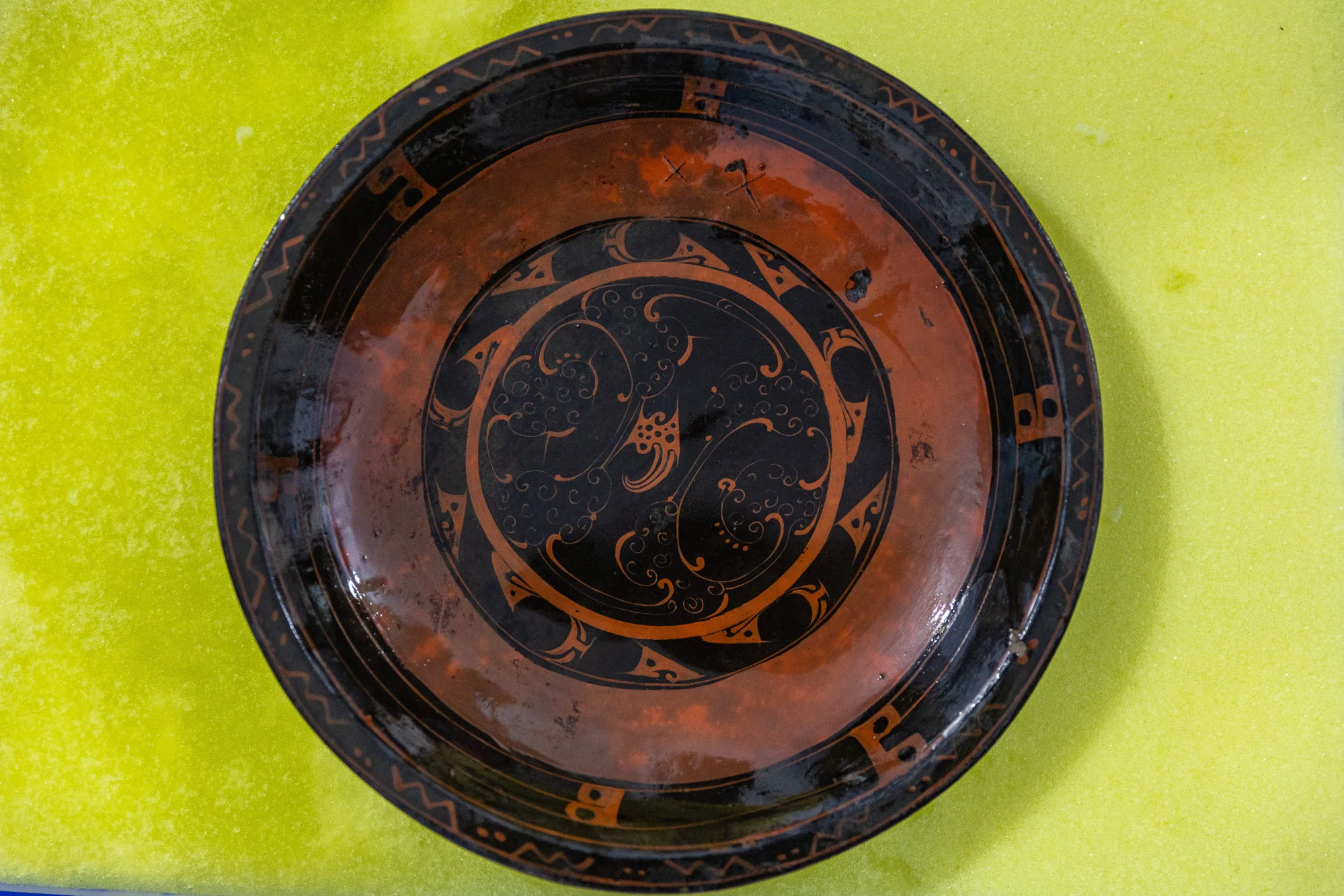
The first excavation yielded an impressive collection of 600 artefacts, including items made of lacquer, wood, bamboo, bronze, and pottery. Huang Wei, who led the excavation, highlighted the significance of the burial list found with the artefacts, which pinpointed the tomb’s sealing date to 193 BC. A piece of jade ware found in the tomb indicated the high status of the tomb’s occupant.
Among the notable finds were ganzhi, ancient wooden slips representing the sexagenary cycle of the Chinese zodiac. These artefacts, used for writing before paper was invented, are the first of their kind to be discovered in China. They provide valuable insights into the communication methods and cultural practices of ancient Chinese civilizations.
The tomb is a treasure trove for understanding the burial rituals of the Western Han period. It contains one of the largest collections of bamboo, lacquer, and wood wares found in the upper Yangtze River region. Objects such as a wooden lian for cosmetics, bamboo spoons, bows, and pan flutes, along with bronze and pottery utensils, offer a rich source for comparative analysis with other artefacts from the era.
The Western Han tomb is part of a larger collection of tombs in the area, dating from the Han dynasty to the Six Dynasties period (222 – 589). The team, led by Huang, plans further excavations to explore these tombs and attempt to identify the owner of the Western Han tomb.
The archaeological site will eventually become part of a cascade hydropower project along the Wujiang River in Chongqing. However, the discovery of this tomb and its rich array of artefacts provides a crucial link to China’s ancient past, offering a deeper understanding of the cultural and historical context of the Western Han dynasty.
This remarkable discovery not only sheds light on ancient Chinese burial customs and daily life but also underscores the importance of archaeological preservation in modern development projects. The findings from this site will continue to enrich our understanding of one of China’s most significant historical periods.
READ MORE: