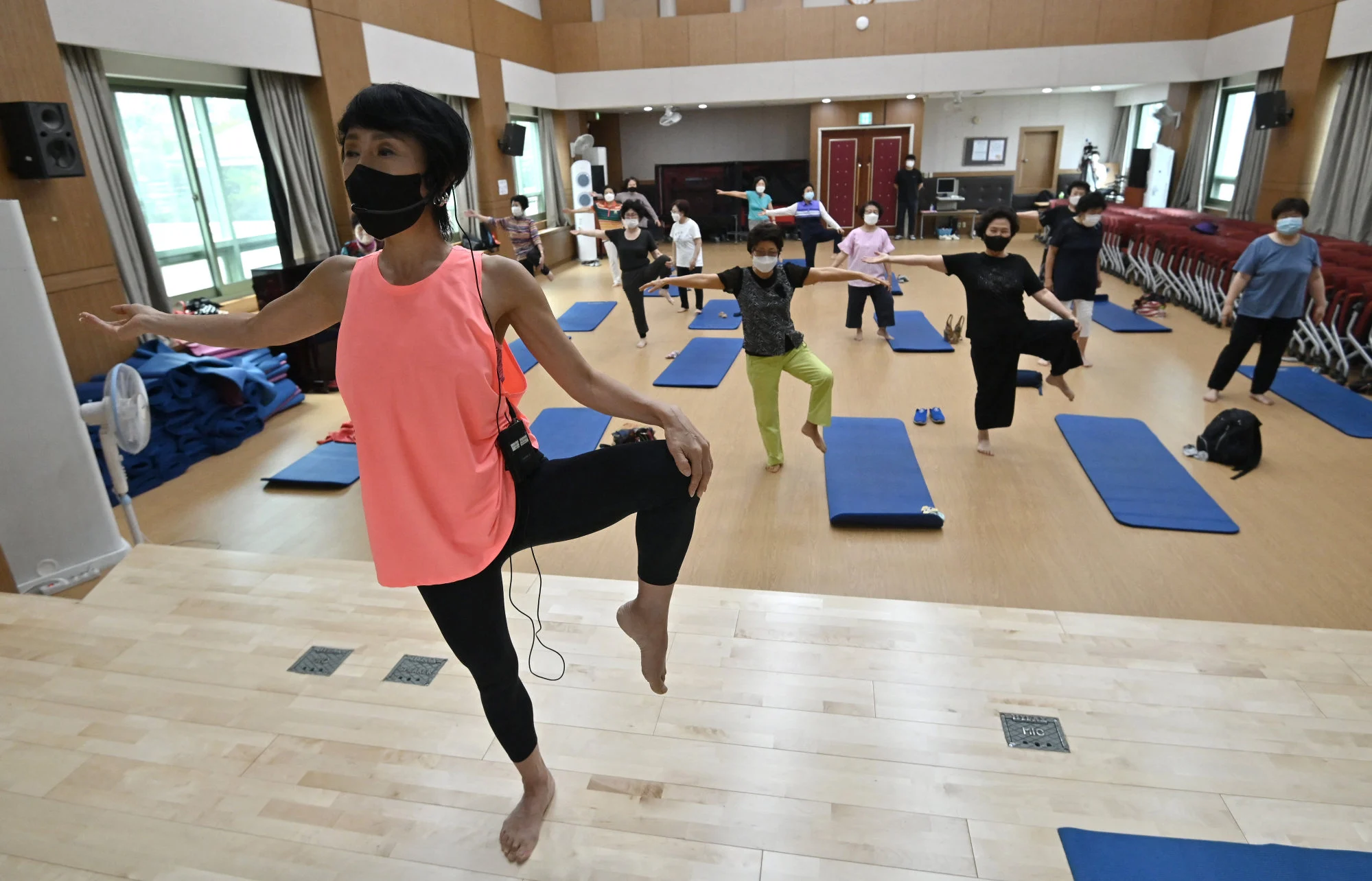

A gym in Incheon, South Korea, has ignited a fiery debate by banning “aunties” and establishing criteria to distinguish them from “elegant, well-mannered ladies.” On June 7, the gym posted a notice at its entrance stating, “Only well-mannered and elegant ladies are allowed to enter.” The term “aunties” refers to middle-aged women often associated with negative stereotypes such as freeloading, being noisy, and unfashionable.
The gym owner explained to a South Korean TV channel that the notice was intended to remind “rogue customers” to behave appropriately. He cited instances of so-called aunties using washing machines in the locker room for extended periods, causing water bills to double, and stealing supplies like towels and soap. Additionally, these women allegedly harassed younger female customers with taunts like, “You should be good at having children.” To prevent losing customers and to control rising costs, the owner decided to turn his gym into a “no aunties zone.”
The owner outlined eight criteria to distinguish so-called aunties from “ladies,” including people who take advantage of others, occupy reserved seats on public transport, refuse to spend their own money, have poor memory and judgment, and constantly repeat their words.
In China, similar middle-aged women are referred to as da ma. They are known for wearing silk scarves, taking extensive selfies at tourist spots, and sometimes clashing with local residents. On Douyin, da ma who take photos with colorful silk scarves at tourist spots often face mockery from netizens for their perceived outdated tastes and for occupying public spaces for impromptu dance sessions.
Pan Lan, chairwoman of the Hubei Yutong Women and Children’s Social Work Services Centre in central China, criticized the gym’s policy as unfair and discriminatory. She suggested that instead of excluding a particular demographic, the gym should implement equitable measures such as setting usage quotas for amenities and charging additional fees for exceeding allotted times.
Social media reactions to the gym’s move were divided. One supporter on YouTube commented, “Rude aunties are really exhausting.” Conversely, another person argued, “‘Aunties’ is the wrong term to use here. Such inappropriate behavior is not confined to any age or gender.” A third commenter remarked, “This is crazy! Isn’t the gym owner’s mother an aunty too? Just close down the gym.” Another suggested adopting a membership system to raise entry thresholds for the gym.
The controversy highlights broader issues of ageism and discrimination, as well as the challenges businesses face in balancing customer satisfaction with operational costs.
READ MORE: