
Airports are often a whirlwind of noise and movement, with travelers rushing through terminals, dragging suitcases, and announcements constantly filling the air. While this can be overwhelming for anyone, it is especially challenging for neurodiverse individuals, including those with autism spectrum disorder (ASD) and sensory processing disorders.
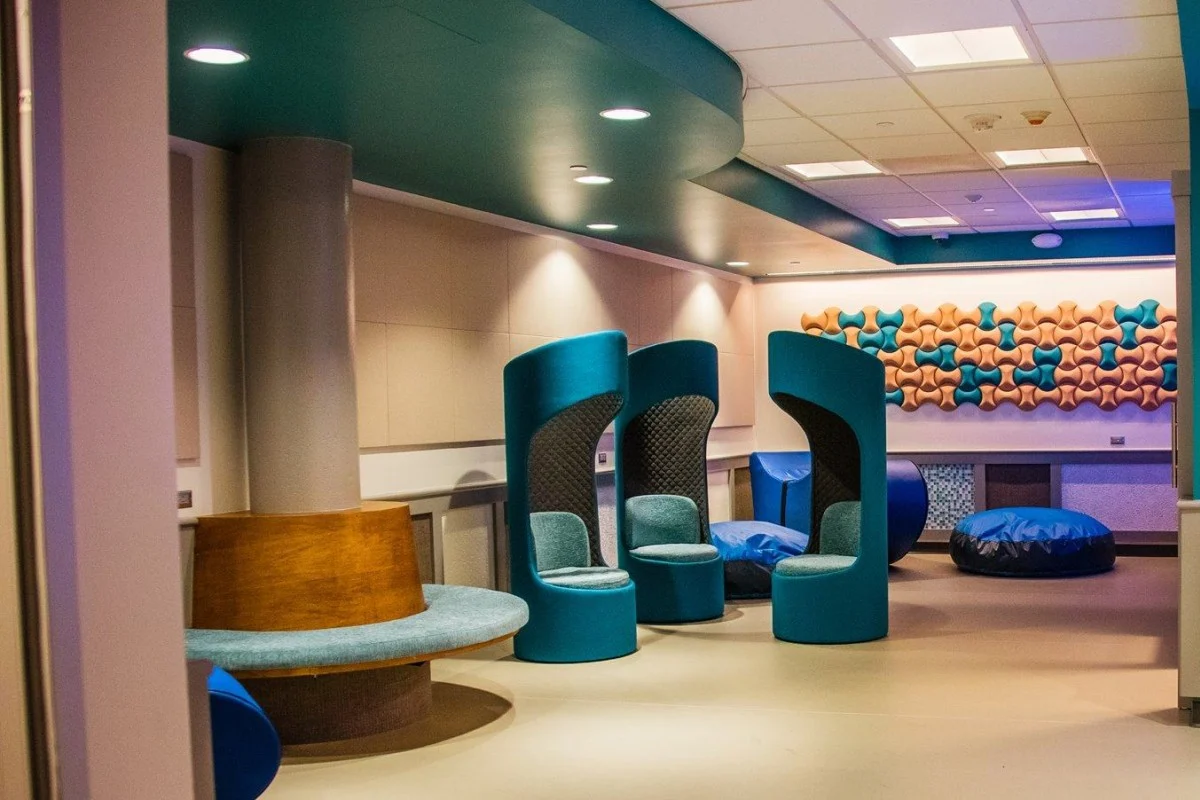
Recognizing the stress that air travel can bring, an increasing number of airports have started introducing sensory rooms—dedicated spaces designed to provide calm and relief from the overwhelming airport environment. These rooms serve as a quiet sanctuary where travelers can regain composure before continuing their journey.
Airports such as Pittsburgh, Seattle, San Francisco, and Dublin have led the way in implementing these facilities. Pittsburgh International Airport’s Presley’s Place is a sensory-friendly space where families can relax away from the crowds. San Francisco Airport has also created a similar area, open to all but specifically designed for neurodiverse travelers and their families. To ease anxiety, it even features a mock aircraft interior to help passengers familiarize themselves with the in-flight environment before boarding.
Seattle Airport has designed a space equipped with dimmable lighting, a rocking chair, and a starry night ceiling, providing a soothing retreat for those feeling overwhelmed. Dublin Airport has gone a step further, offering two sensory rooms, which can be booked free of charge for 60-minute sessions, allowing travelers a quiet space to prepare for their flights in a stress-free environment.
Despite the growing popularity of sensory rooms, these facilities are still not widely available at airports worldwide. For those in need of a quiet retreat, alternative spaces such as memorial and prayer rooms may offer some respite, as they are typically open to all travelers regardless of religious affiliation.
Many airports are also providing additional support for individuals with invisible impairments through sunflower lanyards. Wearing these lanyards discreetly signals to airport staff that the traveler may require extra time or assistance, ensuring a smoother and more accommodating travel experience.
As awareness of neurodiversity and sensory challenges increases, more airports are recognizing the importance of creating inclusive spaces. While the number of sensory rooms is still limited, their growing presence reflects a commitment to making air travel more accessible and less stressful for everyone.
READ MORE: