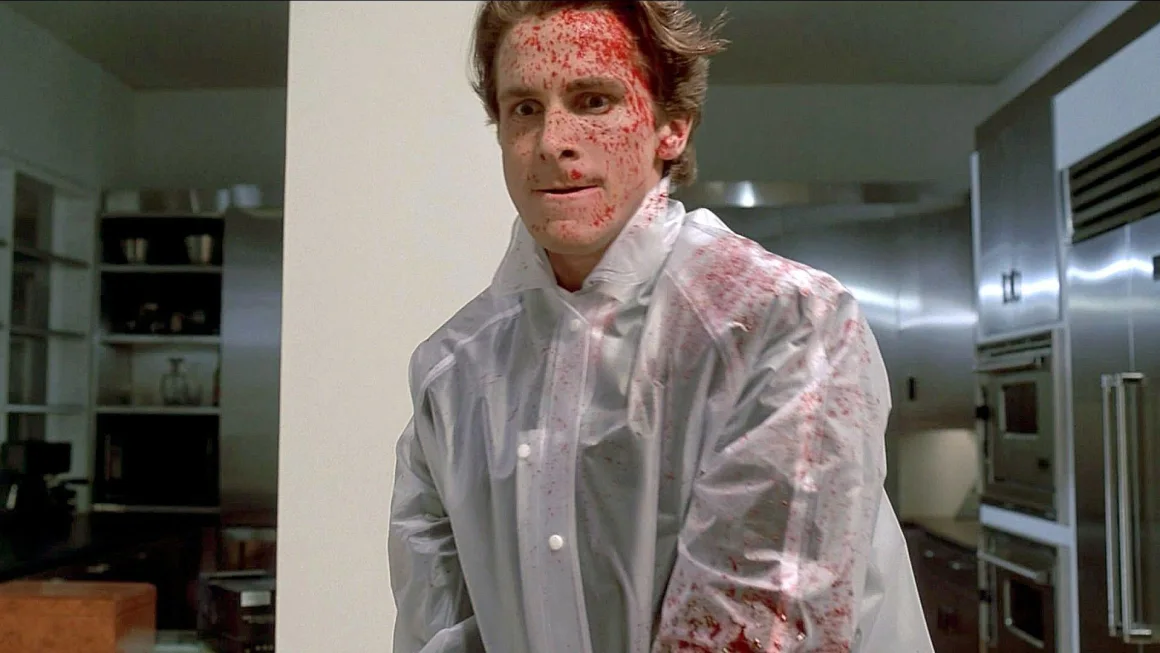

A quarter-century after American Psycho hit the big screen, its chilling portrayal of Patrick Bateman feels more relevant than ever. Christian Bale’s performance as the obsessively polished investment banker and possible serial killer opens with a meticulous morning routine that has since become iconic. His nine-step skincare ritual, 1,000 crunches in white briefs, and gel eye mask are as disturbing as they are reflective of today’s online culture. Bateman’s chilling monologue about being nothing more than an entity feels eerily prophetic in an era dominated by digital personas and hyper-curated appearances.
The character’s obsession with brands and appearance mirrors the rise of influencer culture, where morning routines are no longer private but performance art for the internet. Today’s viral “morning shed” trend sees influencers stripping off layers of skincare devices and accessories as a visual metaphor for self-improvement — all carefully curated for the camera. What once read as exaggerated parody now resembles content on TikTok or Instagram, where wellness routines are marketed as identity and status.
This modern iteration of Bateman’s consumerist neuroses also finds a home in the “manosphere,” an online subculture promoting extreme versions of masculinity. There, Bateman is idolized as a “sigma male” archetype: hyper-disciplined, physically fit, and emotionally detached — values rooted in dominance and image rather than substance. Yet this glorification misses the film’s satirical edge. Director Mary Harron’s adaptation critiques the shallow culture Bateman embodies. His obsessions — from business card fonts to exclusive reservations — become meaningless in a world where identity is so flimsy that his own peers don’t recognize him.
As Bateman spirals, his confessions are ignored, and his violent acts erased, blurring the line between reality and delusion. His killer persona and Wall Street identity are equally constructed, offering a commentary on the emptiness beneath the surface. Still, the novel and film can be misread as either critique or celebration of this lifestyle, depending on one’s lens.
Ultimately, American Psycho reveals the danger of defining oneself through consumption and curated personas — a concept more visible today than ever before. In the end, Bateman’s chilling line — “You can always be thinner, look better” — is echoed in every algorithm-driven feed, where self-worth is measured by likes, products, and endless performance.
READ MORE: