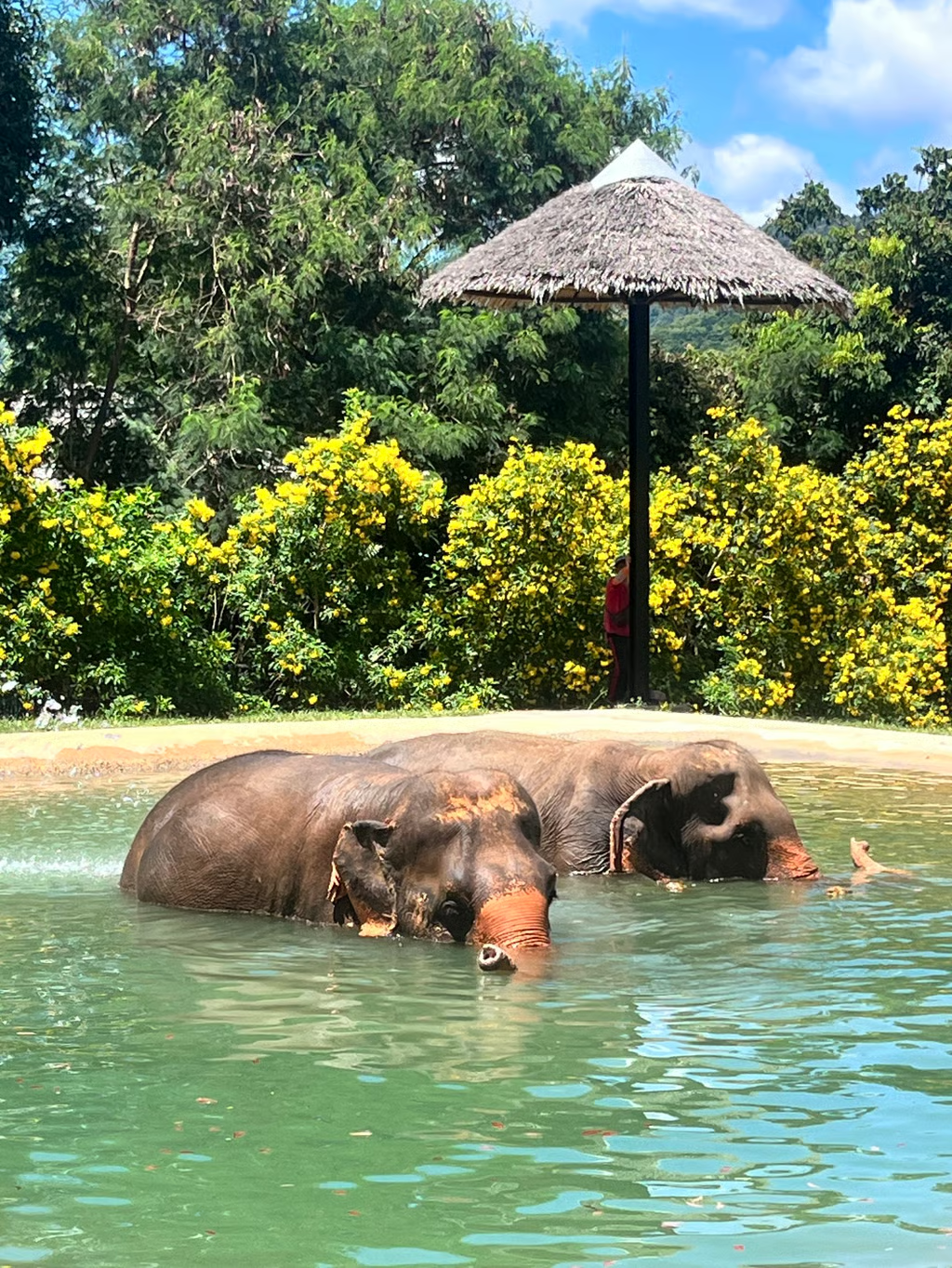

In the tropical haven of Koh Samui, Thailand, Kaew Ta and Kham Phean have found peace at the Samui Elephant Sanctuary. Surrounded by birds, butterflies, and bougainvillea, these rescued elephants cool off in pools and enjoy mud baths that protect their skin from the sun and insects. Both in their sixties, they are among seven female elephants who now live freely after decades of exploitation.
Before arriving at the sanctuary in 2018, these elephants endured harsh conditions. Kaew Ta, who is blind in one eye from a mahout’s blow, once carried tourists under the scorching sun. Kham Phean spent 30 years in Pattaya, chained when not giving rides. Their stories reflect a grim reality faced by many Asian elephants once used in logging and later forced into tourism after Thailand’s 1989 logging ban.
The scars on their bodies reveal a past of abuse. Many elephants in captivity across Thailand—numbering around 4,000—are trained through a brutal method called the “crush,” which breaks their spirits through isolation, starvation, and beatings. This psychological trauma makes them submissive enough for entertainment roles. Sadly, such practices are still widespread in a tourism industry that drew 35.5 million visitors in 2024.
Samui Elephant Sanctuary offers a compassionate alternative. Recognised by World Animal Protection as a model for best practices, it allows elephants to roam freely, forage, throw sand, and interact naturally. Here, elephants are not forced to perform or interact with tourists in stressful ways, such as bathing together—a popular but harmful activity that disrupts their social behaviours and can pose serious dangers to humans.
Instead, the sanctuary promotes a “hands-off” approach, inspired by Saengduean “Lek” Chailert, a pioneer in elephant conservation and founder of Save Elephant Foundation. Her work has inspired many ethical sanctuaries to adopt a “saddle-off” model, eliminating rides and performances while raising awareness about animal cruelty in tourism.
Samui Elephant Sanctuary serves not only as a refuge for mistreated animals but also as a beacon of ethical tourism. It reminds us that witnessing elephants being elephants—in peace and dignity—is the most rewarding experience of all.
READ MORE: