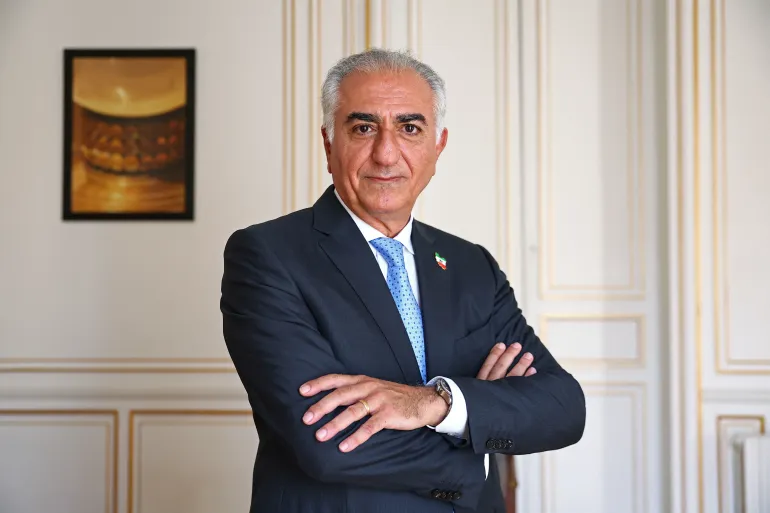

Exiled Iranian Crown Prince Reza Pahlavi has issued a fervent call for ongoing protests across Iran, urging citizens to intensify their actions and prepare for a nationwide strike. His appeal comes as the Islamic Republic faces its most significant challenge in years, with authorities responding with a severe crackdown, including internet blackouts and violent suppression of demonstrators.
Calls For Escalated Action
Reza Pahlavi, son of Iran’s last shah, has encouraged Iranians to make their street presence more targeted and to cut off the regime’s financial lifelines. He specifically called on workers in key economic sectors, including transportation, oil, gas, and energy, to participate in a nationwide strike. Pahlavi also urged protesters to “claim public spaces as your own” and prepare for seizing and holding city centers, signaling a shift towards more direct confrontation.
Regime’s Response And International Reaction
In response to the escalating unrest, Iranian authorities have implemented a near-total internet and phone blackout since Thursday, raising fears of a more brutal crackdown. Iran’s Revolutionary Guard has issued a stern warning, stating that the continuation of protests is “unacceptable” and that defending the Islamic regime is a “red line.” Supreme Leader Ali Khamenei has accused foreign powers of instigating the protests and has threatened demonstrators with severe punishment.
Despite the communications blackout, protests have reportedly continued in major cities, with rights groups indicating dozens of deaths and thousands of arrests since the unrest began in late December. The demonstrations, initially sparked by economic woes, have evolved into broader calls for regime change.
International bodies and officials have voiced strong condemnation. US Secretary of State Marco Rubio reiterated Washington’s support for the Iranian people, while President Donald Trump issued a warning against killing demonstrators. The UN human rights chief expressed deep concern over the reported killings and internet shutdowns, with EU officials accusing Tehran of using the blackout to conceal violence.
Analysts View The Situation As Critical
Policy analysts and former intelligence officials suggest that the current wave of protests represents a significant challenge to the Islamic Republic’s authority. Some assessments indicate that the regime is facing an existential crisis, with its options narrowing. The protests are seen not as isolated incidents but as part of a longer erosion of the clerical leadership’s legitimacy, with many Iranians concluding that the system cannot be reformed and must be overthrown. The situation is described as “existential” rather than issue-based, marking a fundamental difference from previous waves of dissent.
Diaspora Support
Members of the Iranian diaspora have rallied in solidarity with the protesters in Iran, organizing gatherings in cities like London, Los Angeles, and Berlin. These demonstrations aim to show support for those on the ground and to amplify the voices of the Iranian people demanding change.