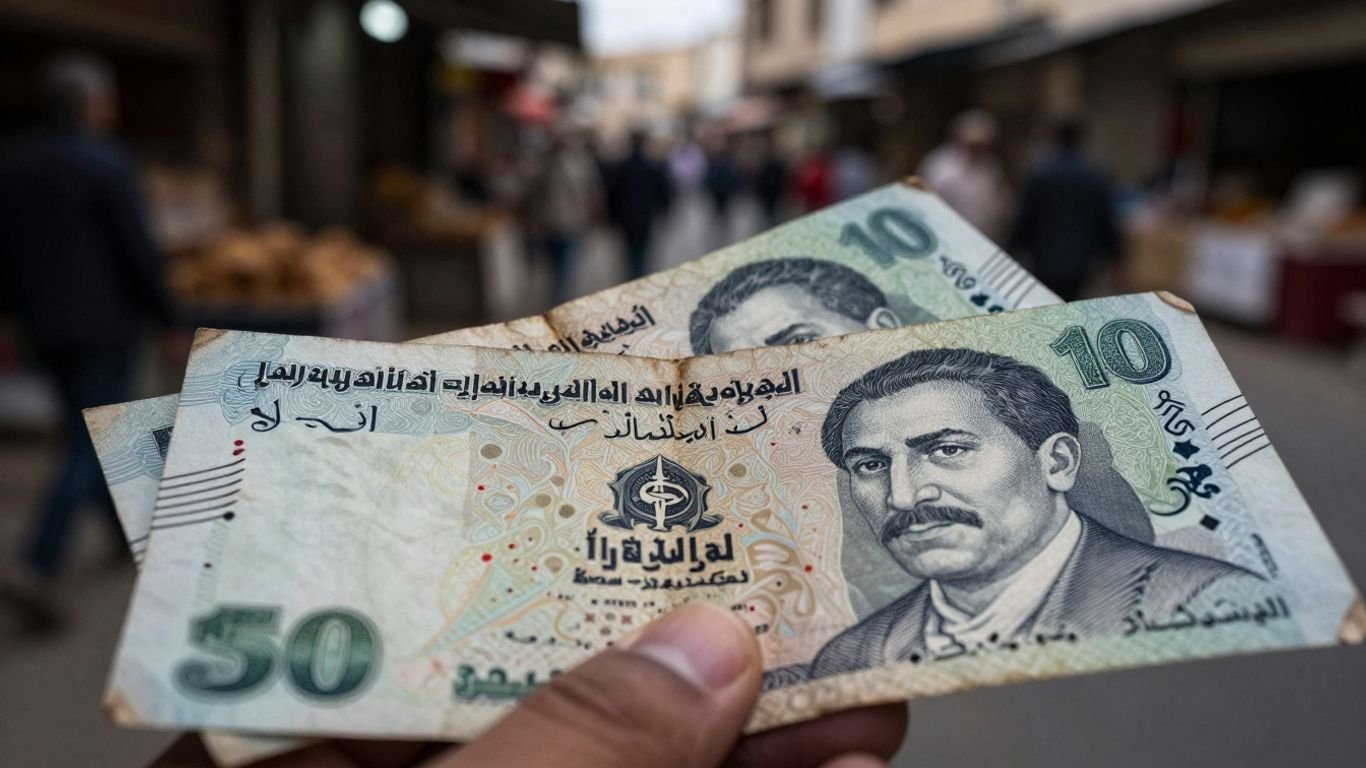

Iran’s national currency has plummeted to a new all-time low against the US dollar, exacerbating public frustration over rising living costs. This economic downturn is occurring against a backdrop of ongoing protests and a complex geopolitical landscape, highlighting deep-seated issues in the allocation of state resources and overall economic management.
Budgetary Priorities Skewed Towards Security
The draft budget for the upcoming fiscal year reveals a stark allocation of resources, with security and military institutions receiving substantial funding. Allocations tied to military and security bodies constitute at least 16 percent of total budgetary resources. Furthermore, the share of oil export revenues linked to the Islamic Revolutionary Guard Corps is estimated to be considerably larger than that allocated to the civilian government. Funding for religious institutions is also projected to be nearly half of the government’s oil income.
Rising Tax Burden Amidst Economic Contraction
In contrast to the significant allocations for security and religious bodies, projected tax revenues have surged by 63 percent. This indicates an impending heavier burden on households and businesses, particularly challenging given the current high inflation and weakened purchasing power. The figures raise critical questions about the effectiveness of state revenue utilization in fostering economic stability and improving living standards.
Economic Potential Undermined by Resource Allocation
Official data reveal that Iran’s crude oil export revenues over the past five years have amounted to approximately $193.5 billion. However, during a similar period, the country’s gross domestic product has experienced a sharp contraction, falling from around $600 billion in 2010 to an estimated $356 billion by 2025. This divergence between substantial export earnings and declining overall economic output presents a significant puzzle for analysts. The structure of Iran’s economy, with services accounting for over half of its GDP and substantial non-oil exports, suggests untapped potential that remains unfulfilled due to the unresolved question of how resources are absorbed, allocated, and converted into sustainable growth.