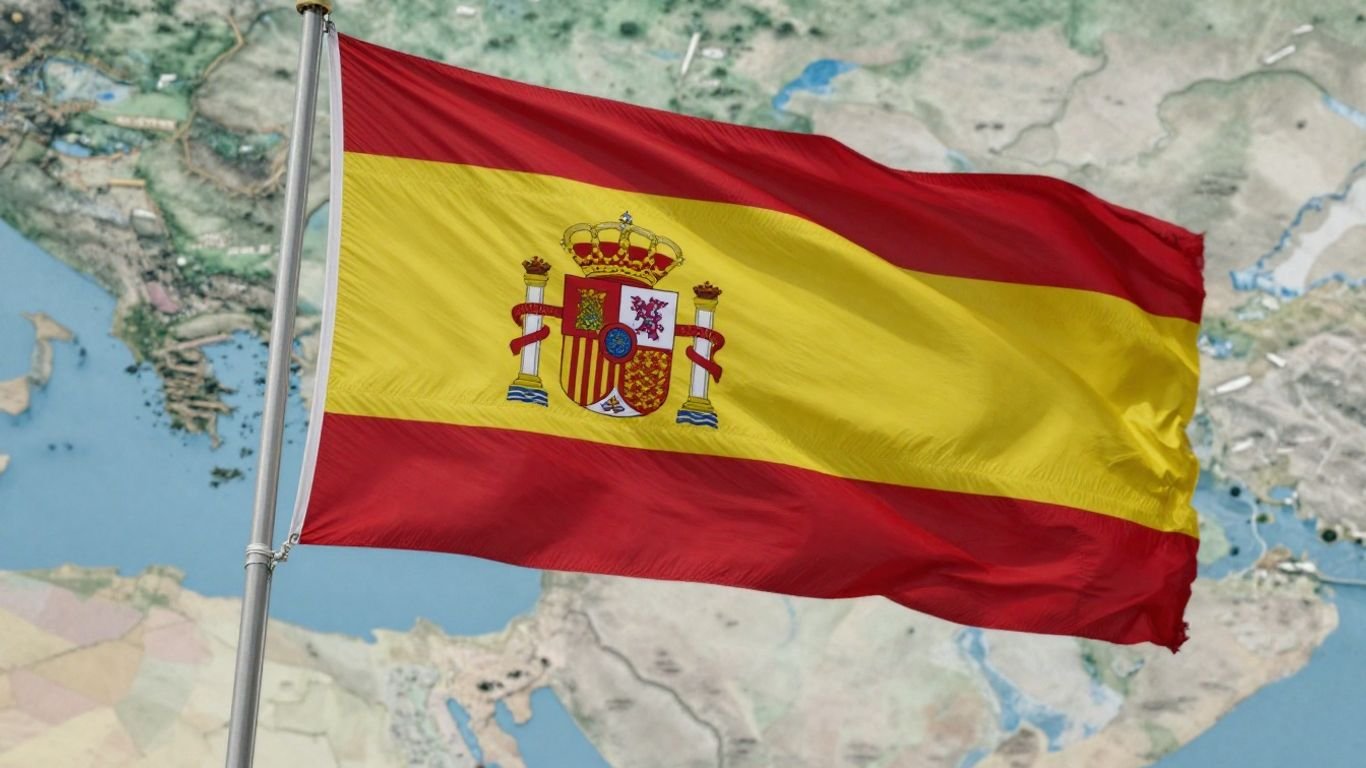

Spain has emerged as a vocal critic of the US-led military action against Iran, positioning itself against the prevailing European stance. Prime Minister Pedro Sánchez has openly condemned the strikes as “reckless and illegal,” refusing to allow US military bases on Spanish territory to support the operation. This defiance has led to threats from the White House and a significant diplomatic fallout, including Spain’s decision to recall its ambassador to Israel.
Prime Minister Pedro Sánchez has been unequivocal in his condemnation of the US and Israeli strikes on Iran, labeling them “reckless and illegal.” He stated that Spain would “not be complicit in something that is bad for the world – and that is also contrary to our values and interests – simply out of fear of reprisals.” This firm opposition includes denying the US access to military facilities in Rota and Morón de la Frontera, crucial for supporting operations in the region. Sánchez has accused the US of “playing Russian roulette with the destiny of millions.”
Sánchez’s outspoken criticism has drawn anger and threats from the White House, with President Trump warning of trade repercussions. However, Spain, backed by the European Union, has indicated that such unilateral trade actions would be difficult to implement due to Spain’s membership in the EU trade bloc. In a further escalation of its diplomatic stance, Spain announced the withdrawal of its ambassador to Israel. This move was explicitly linked to Spain’s strong opposition to Israel’s actions in Gaza, which it has described as a “genocidal war,” and the broader conflict with Iran.
Spain’s position stands in stark contrast to that of many other European leaders. While some, like German Chancellor Friedrich Merz, have appeared to align closely with the US, others, such as French President Emmanuel Macron and UK Prime Minister Keir Starmer, have navigated a more complex path, offering limited support or expressing reservations after initial hesitation. The article highlights Spain and Norway as outliers, articulating foreign policies grounded in international law and multilateralism, while traditional European powers have been seen as more deferential to US interests.
Sánchez’s firm stance is seen by some analysts as a strategic political move to shore up domestic support for his government, particularly given the historical Spanish opposition to the 2003 Iraq War. The public in Spain largely opposes the current war, with significant support for the government’s position on military bases. Economically, while Spain has trade ties with the US, its reliance on US liquefied natural gas and the EU’s trade protections offer some buffer against potential US sanctions. The government’s actions are also influenced by domestic political pressures from leftist coalition partners and a public sentiment wary of foreign military interventions.
Spain’s defiance challenges the broader European Union to consider its strategic autonomy and its relationship with the United States. The article suggests that by refusing to be complicit in actions it deems illegal and unethical, Spain is holding up a mirror to other European nations, urging them to assert their sovereignty and adhere to international law. This principled stand, while risky, could potentially influence a shift in European foreign policy, moving away from unquestioning alignment with US actions towards a more independent and values-based approach.