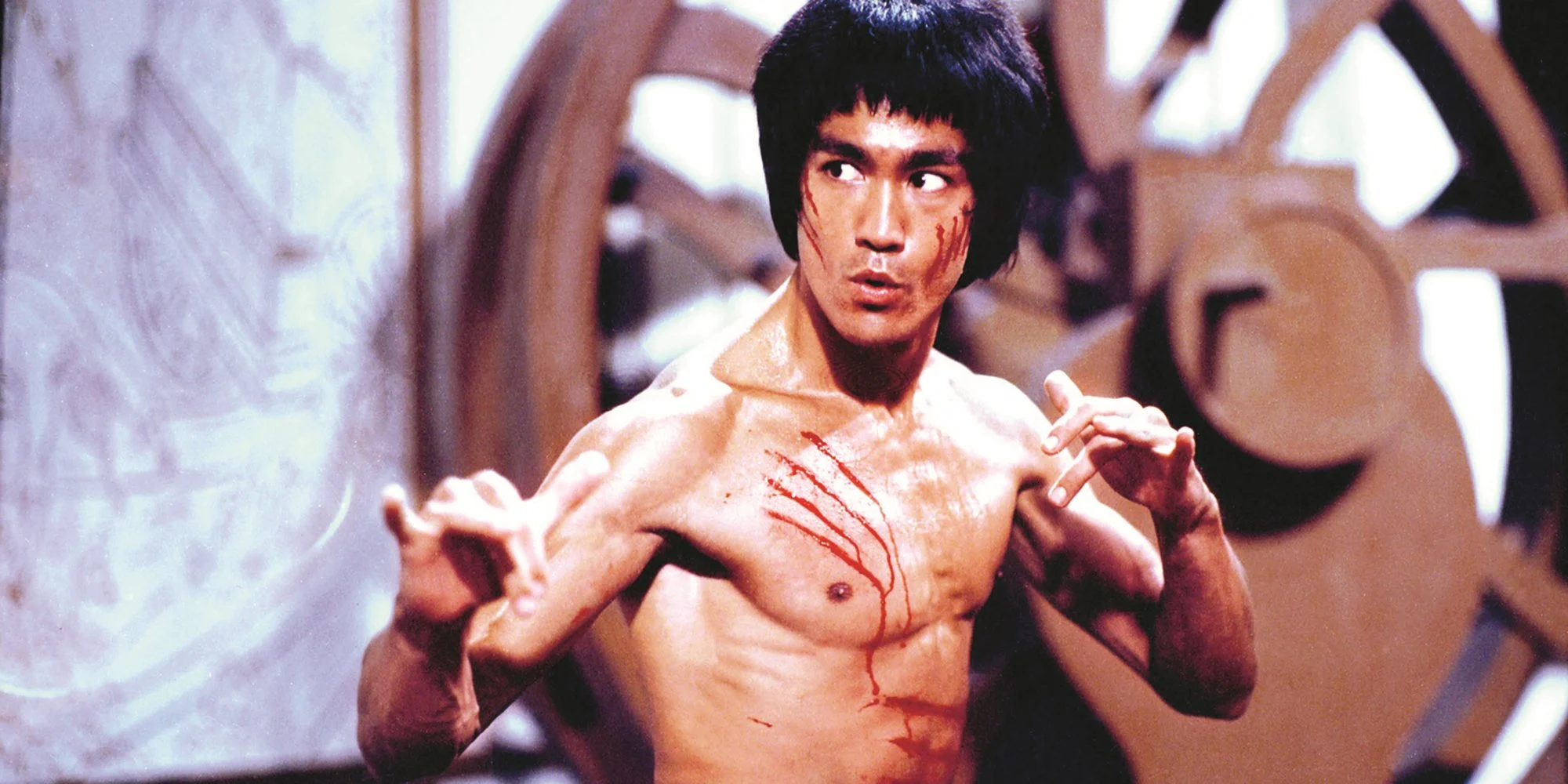

Wushu, meaning “martial arts,” encompasses fighting forms dating back 4,000 years to clan wars in China. Chinese martial arts gained global fame in the 1970s with the success of “Enter the Dragon,” starring Bruce Lee. This film sparked the “kung fu craze,” popularizing the term “kung fu,” which refers to any skill learned through hard work and practice. While “kung fu” is widely used, official competitions still use the term “wushu,” as seen in events like the World Wushu Championships.
A defining feature of Chinese martial arts is their adherence to ancient Chinese philosophies, such as the balance between yin and yang. Here, we explore four major schools of Chinese martial arts, each with its unique approach to wushu.
- Shaolin: Shaolin is globally renowned, known for the extreme discipline and training of Shaolin monks. Originating at the Shaolin Temple in Henan province, built around 495 AD, Shaolin wushu (Shaolin quan) is widely practiced in northern China. Monks are famous for their spectacular jumps and kicks, but the spiritual aspect of Zen Buddhism, including meditation, is equally important. Historically, Shaolin monks used their skills in battle, earning Shaolin quan respect as one of the major schools of wushu in China.
- Wudang: Though not as globally famous as Shaolin, Wudang is equally respected. Originating in the Wudang mountains of Hubei province, Wudang wushu is deeply rooted in Taoist ideals of stillness and flowing with tao (the way). Wudang is a neijia (internal) style, emphasizing inner strength and striking only after the enemy strikes, contrasting with the attack-focused, waijia (external) style of Shaolin.
- Wing Chun: Wing Chun, with close ties to Hong Kong, originated in southern China and was perfected by Ip Man, a legendary martial artist from Foshan, Guangdong province. In 1967, he founded the Ving Tsun Athletic Association in Hong Kong. Wing Chun is distinguished by its “sheep riding” stance and the use of a wooden dummy (mook yan jong) for training, building conditioned reflexes. Bruce Lee, one of Ip Man’s students, further popularized Wing Chun globally.
- Tai Chi: Tai Chi is widely practiced in parks worldwide and is known for its slow, controlled movements offering physical and spiritual benefits. Founded in Chen village, Henan province, during the late Ming and early Qing dynasties, Tai Chi is part of the Wudang school. Its movements are guided by qi (internal vital energy) and rooted in the philosophy of yin and yang. Tai Chi’s techniques are based on the theory of the five elements: fire, water, wood, metal, and earth.
These schools highlight the rich history and diverse practices within Chinese martial arts, each contributing to the enduring legacy of wushu.
READ MORE: