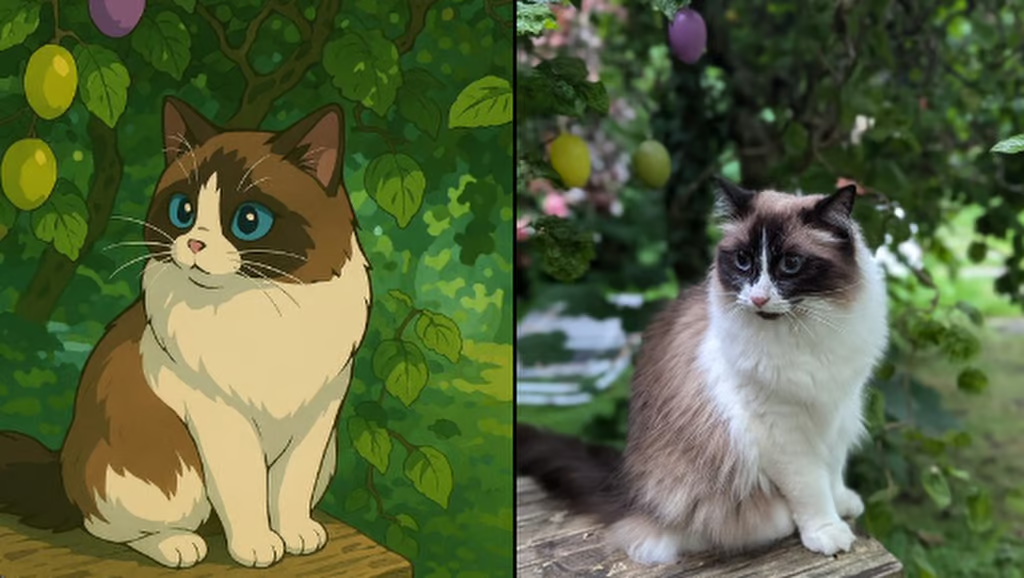

A recent trend involving the new ChatGPT image generator tool has allowed users to create Ghibli-style images from personal photos or popular memes, sparking excitement among fans of Studio Ghibli’s whimsical animation. One user, for instance, uploaded a picture of his cat and was delighted to see it transformed into an anime-style character resembling those found in films like My Neighbor Totoro and Kiki’s Delivery Service. The trend has led to the creation of images featuring diverse subjects, including Olympic athletes and popular internet memes, with the distinctive, hand-drawn aesthetic of Ghibli films.
ChatGPT’s parent company, OpenAI, has encouraged this trend but has stated it will take a “conservative approach” to mimicking individual artists’ styles, implementing a refusal function when users attempt to generate images in the style of living artists. While OpenAI permits broader studio styles, concerns have arisen over the ethics of using AI to replicate the unique styles of artists like Hayao Miyazaki. Miyazaki, who is known for his traditional animation techniques, expressed deep skepticism about AI’s potential in animation, calling it an “insult to life itself” after seeing an AI animation demo in 2016. His comments reflect concerns that AI lacks the human understanding and emotional depth inherent in traditional animation.
Legal experts have raised questions about the legality of training AI tools using copyrighted material without permission. While style itself is generally not protected by copyright, distinctive elements of a work could be. This raises concerns that AI-generated works might closely resemble copyrighted elements of Ghibli films, which could lead to potential copyright infringement issues.
Some artists, like Karla Ortiz, have voiced strong opposition to AI tools like ChatGPT using the styles of renowned artists without consent. Ortiz, who has filed a lawsuit against AI image generators for copyright infringement, criticized OpenAI for exploiting the reputation and work of artists like Miyazaki. This concern is amplified when public figures, such as the White House, use AI-generated Ghibli-style images to further promote the technology.
As AI continues to evolve and gain prominence in creative industries, the debate over intellectual property, artist compensation, and the ethical use of AI tools is likely to intensify.
READ MORE: