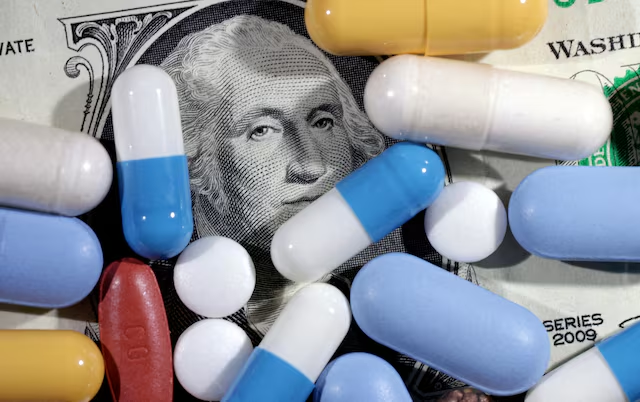

A proposed 25% tariff on pharmaceutical imports could lead to a significant increase in U.S. drug costs, potentially raising prices by as much as $51 billion annually, according to a report commissioned by the Pharmaceutical Research and Manufacturers of America (PhRMA). The analysis, conducted by Ernst & Young, estimates that this tariff could raise drug prices by up to 12.9% if the cost increases are passed on to consumers. In 2023, the United States imported $203 billion in pharmaceutical products, with the majority of these imports coming from European countries such as Ireland, Germany, and Switzerland. This came amid total U.S. pharmaceutical sales of $393 billion.
PhRMA, which represents major U.S. pharmaceutical companies like Amgen, Bristol Myers Squibb, Eli Lilly, and Pfizer, has expressed concerns that the proposed tariffs would undermine efforts to boost domestic manufacturing, a key goal of the Trump administration. Despite the historical exception of pharmaceutical products from trade wars due to their sensitive nature, President Trump has threatened a 25% tariff on these imports, citing national security concerns about reliance on foreign drug production. As part of this move, the administration has launched an investigation into pharmaceutical imports, triggering a 21-day public comment period. This investigation is being led by the U.S. Commerce Department.
Drugmakers see this investigation as an opportunity to demonstrate that high tariffs would hinder their efforts to ramp up domestic production. They are lobbying for a phased implementation of the tariffs to reduce the impact on the industry. Additionally, Swiss pharmaceutical company Roche has petitioned the U.S. government for tariff exemptions, arguing that its exports of U.S.-made drugs and diagnostics should offset the products it ships into the U.S. market.
The Ernst & Young report also examined the impact of tariffs on pharmaceutical ingredients. In 2023, 30% of pharmaceutical imports were ingredients used in U.S. manufacturing, which are then either sold domestically or exported. Imposing tariffs on these ingredients would raise domestic production costs by 4.1% and could reduce the global competitiveness of U.S.-made drugs. Furthermore, a portion of the 490,000 export-related jobs in the U.S. pharmaceutical sector could be at risk if higher input costs reduce foreign demand for U.S. drugs.
READ MORE: