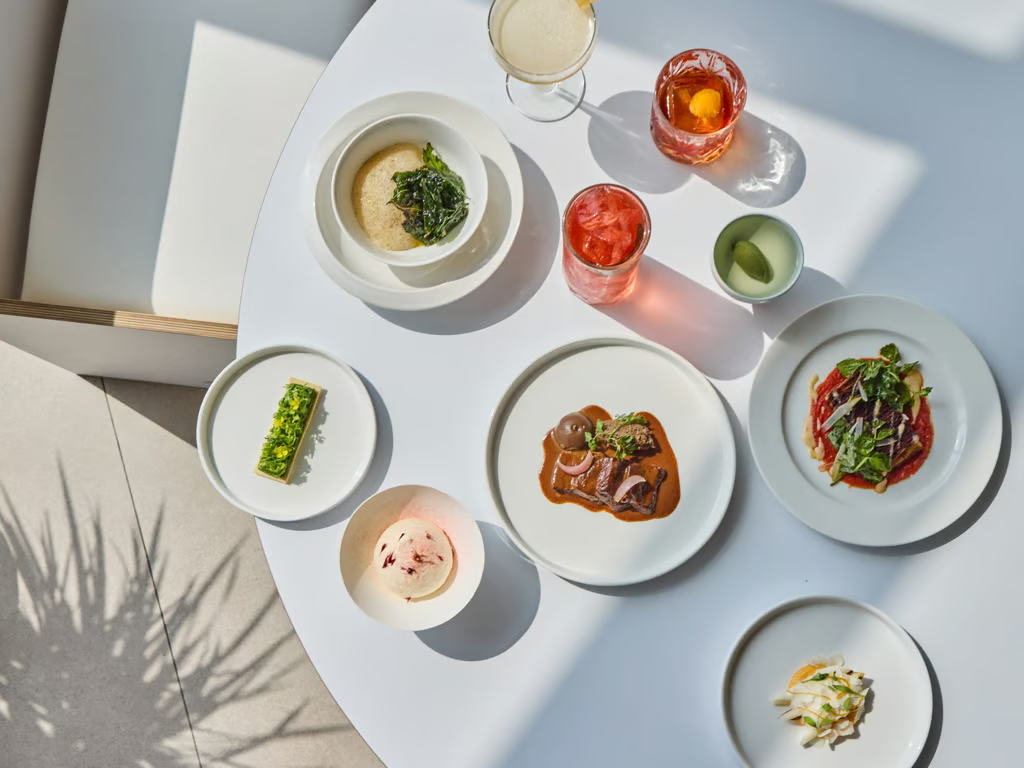

In the heart of Seoul, chefs are redefining Korean cuisine not by reinventing it, but by returning to its roots. Chef Cho Hee-sook, known as the “godmother of Korean cooking,” embodies this philosophy as she prepares three versions of spinach banchan, each seasoned with one of Korea’s holy trinity of fermented sauces: doenjang, ganjang, and gochujang. These slow-fermented jangs form the backbone of Korean flavor and were recognized in 2024 as part of UNESCO’s Intangible Cultural Heritage. For Cho, highlighting jang is not just about taste, but about preserving the soul of Korean culinary tradition.
Springtime in Korea heralds the season of bom-namul—wild greens harvested from the country’s mountainous terrain. From delicate dallae (wild chives) to bitter dureup (angelica shoots) and the prized seomcho (sweet island spinach), these ingredients offer a diverse palette of textures and flavors. Chef Joseph Lidgerwood, of the two-Michelin-star restaurant Evett, visits Seoul’s Gyeongdong Market to explore these seasonal gems firsthand, often building his menu around what he finds. His modern interpretation of Korean terroir blends local produce with global techniques, crafting dishes that are both rooted and innovative.
Meanwhile, younger chefs are pushing boundaries in their own ways. Garam Park, at her restaurant Dresden Green, draws on her New York training to create refined plant-based dishes, like a tart made from seasonal greens and spinach paste. At Perigee, chefs Lim Hong-kuen and Shin Ga-young reinvent lasagne with Korean ingredients like Jeju meljot (salted anchovies) and dureup.
Beverage culture, too, is being reimagined. Bar Cham’s Lim Byung-jim incorporates native botanicals into cocktails like the Jeju Negroni, using tangerine peel and Solomon’s seal root for a local twist. Across the Pacific, Ellia Park of Atomix in New York uses her fine dining platform to introduce Korean culinary terms and stories directly into the dining experience, fostering a deeper understanding of hansik.
Through markets, menus, and language, these chefs are crafting more than meals—they’re preserving and evolving the legacy of Korean food for a global audience.
READ MORE: