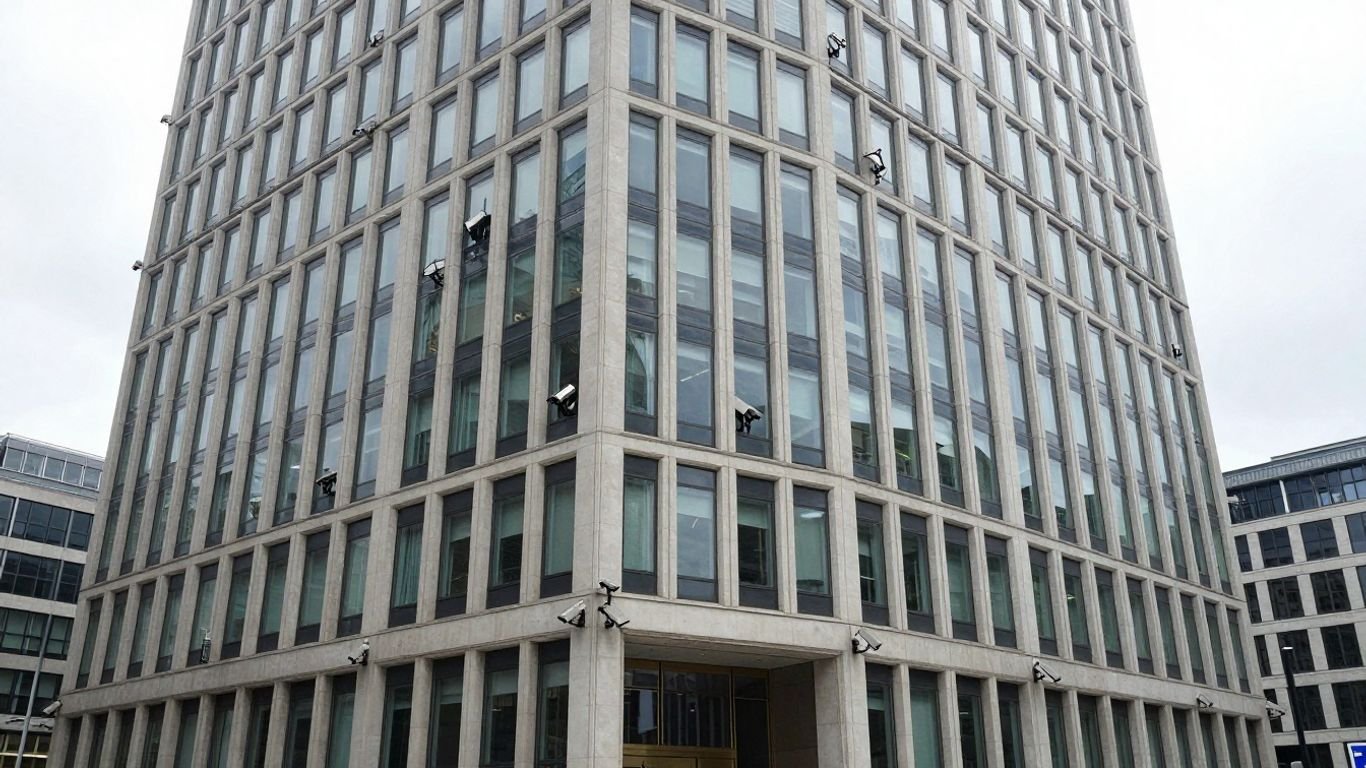

Plans for China’s expansive new embassy complex in London, slated for the former Royal Mint site, are facing significant opposition from political figures and the public. While the project is nearing a crucial government decision deadline, concerns over espionage, interference, and the intimidation of dissidents are clashing with assessments from security services that the risks are manageable.
Political Opposition Mounts
Leading opposition figures have voiced strong objections to the proposed Chinese “mega embassy” near the Tower of London. Conservative Party leader Kemi Badenoch joined demonstrators, urging the Labour government to reject the plans. She highlighted China’s alleged “harassment and sanctioning” of Members of Parliament and “abuses of British nationals connected to China,” expressing concern that the current government appears “scared of China.”
Politicians from various opposition parties have lent their support to the protests, chanting slogans against the development. The deadline for the UK government to approve or block the project, which would be the largest Chinese embassy in Europe, is fast approaching. China has expressed frustration over the prolonged delays, accusing the UK of “politicizing the matter.”
Security Service Perspectives
Despite the public and political outcry, the UK’s espionage community, including MI5, reportedly holds a different view. Some within the intelligence services believe concerns about the new embassy are exaggerated. They argue that modern technology and the nature of the Chinese threat mean embassies are becoming less relevant for traditional espionage. Consolidating China’s seven current diplomatic sites into one could, paradoxically, make monitoring easier for MI5.
Former intelligence officers suggest that while undeclared intelligence officers will undoubtedly be present, the embassy itself would be a “magnet for attention and surveillance,” making “serious business of espionage” difficult. They point out that much of China’s recent interference and espionage activities have been conducted remotely or from outside the embassy, citing examples of cyber-attacks and attempts to influence parliamentarians originating from China itself.
Concerns Over Espionage and Interference
Critics of the planned embassy point to its sheer size and the potential for increased Chinese interference. Luke de Pulford, executive director of the Inter-Parliamentary Alliance on China, drew parallels to the US decision to shut down a Chinese consulate in Houston, citing accusations of intellectual property theft and the coercion of Chinese citizens. Floor plans revealing numerous blacked-out rooms, including a “hidden chamber” near high-speed internet cables, have fueled further concerns about potential eavesdropping and surveillance.
However, officials suggest that concerns about cabling are manageable, with traffic rerouting and cable removal being feasible options. Security experts also note that the UK’s intelligence agencies are understood to have approved the development, implying that the risks are deemed manageable. The former head of Britain’s National Cyber Security Centre emphasized that governments typically do not override security service assessments on such matters.