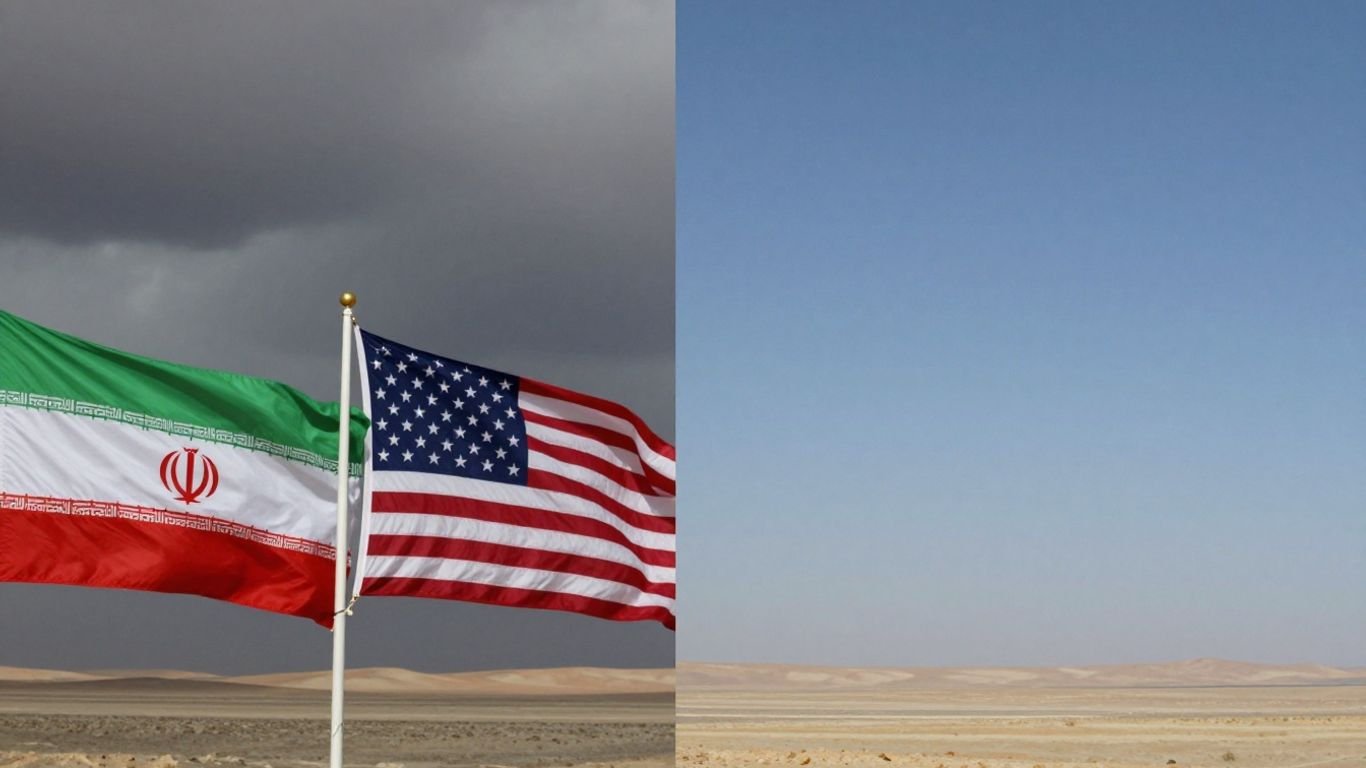

Amidst heightened geopolitical tensions and fears of a regional conflict, Iran and the United States are reportedly exploring diplomatic avenues to address Iran’s nuclear program. Both nations appear to be signaling a potential de-escalation, with intermediaries playing a role in facilitating communication.
Iran has stated it is reviewing several diplomatic proposals from regional countries aimed at reducing tensions with Washington, expressing optimism for a framework for talks in the coming days. This comes as both Tehran and Washington seem to be stepping back from the brink of military action. President Trump, who had previously deployed warships to the Middle East following Iran’s crackdown on protests, has now called for Tehran to engage in talks regarding its nuclear program.
Despite the diplomatic signals, warnings of potential conflict remain. Iranian officials have stated that any U.S. military action would be considered the start of a war, with a response that would be immediate and comprehensive. President Trump, in turn, has warned that if a deal is not reached, the world will discover whether Iran’s supreme leader was correct in predicting that a U.S. attack would ignite a regional war. He has also emphasized the significant naval presence the U.S. maintains near Iran.
The possibility of renewed negotiations has had a noticeable effect on global oil markets, with prices sliding as fears of a supply shock diminish. This development comes after oil prices had previously surged amid concerns of a potential U.S. military strike. The U.S. withdrew from the Joint Comprehensive Plan of Action (JCPOA), the landmark Iran nuclear deal, in 2018, which had offered Iran sanctions relief in exchange for limits on its nuclear program. While Iran insists its nuclear activities are for civilian purposes, the U.S. and its allies remain concerned about the potential for Iran to develop nuclear weapons. Reports suggest the U.S. has set conditions for talks, including Iran ending uranium enrichment, curtailing its missile program, and halting support for regional allied groups, issues that Iran has historically considered non-negotiable.