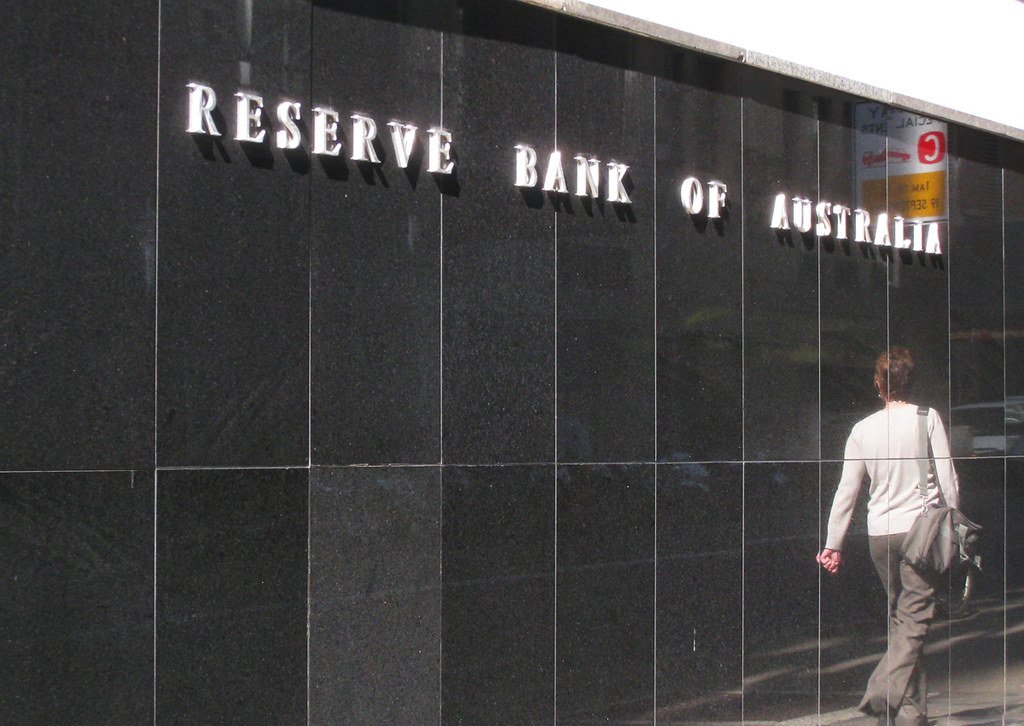

Australia’s central bank raised borrowing costs on Tuesday, lifting its cash rate target by 25 basis points to 3.85% and warning that inflation is likely to stay above the 2%–3% target band for longer than previously expected. The decision was unanimous, and policymakers pointed to renewed inflation momentum, resilient demand, and lingering capacity constraints.
In its policy statement, the central bank said inflation had eased sharply from its 2022 peak but “picked up materially in the second half of 2025,” adding that some of the increase reflected “greater capacity pressures.” It said stronger-than-expected private demand has been driven by household spending and investment, while housing activity and prices have continued to firm. The statement also noted that credit remains readily available, and that the impact of earlier rate reductions has not fully flowed through to aggregate demand, prices, and wages.
Officials emphasized uncertainty around how restrictive policy remains, particularly after financial conditions loosened through 2025. Even so, the board said, “A wide range of data over recent months have confirmed that inflationary pressures picked up materially in the second half of 2025,” concluding it was appropriate to lift the cash rate target.
The hike is set to pass through quickly to household borrowing costs. Australia’s largest lenders moved to increase variable-rate home loan interest rates by 25 basis points, mirroring the central bank’s move. Several banks said the new rates would take effect in mid-February, meaning borrowers may see higher repayments within days.
In public remarks following the decision, Governor Bullock described the move as a rate “adjustment” and acknowledged the immediate pain for borrowers. “I know this is not the news that Australians with mortgages want to hear, but it is the right thing for the economy,” she said.
The bank said it will remain data-dependent, watching global conditions, domestic demand, and the inflation and labor-market outlook. For markets and households, the message is that the inflation fight has not been fully settled—especially if demand growth continues to run ahead of supply capacity.