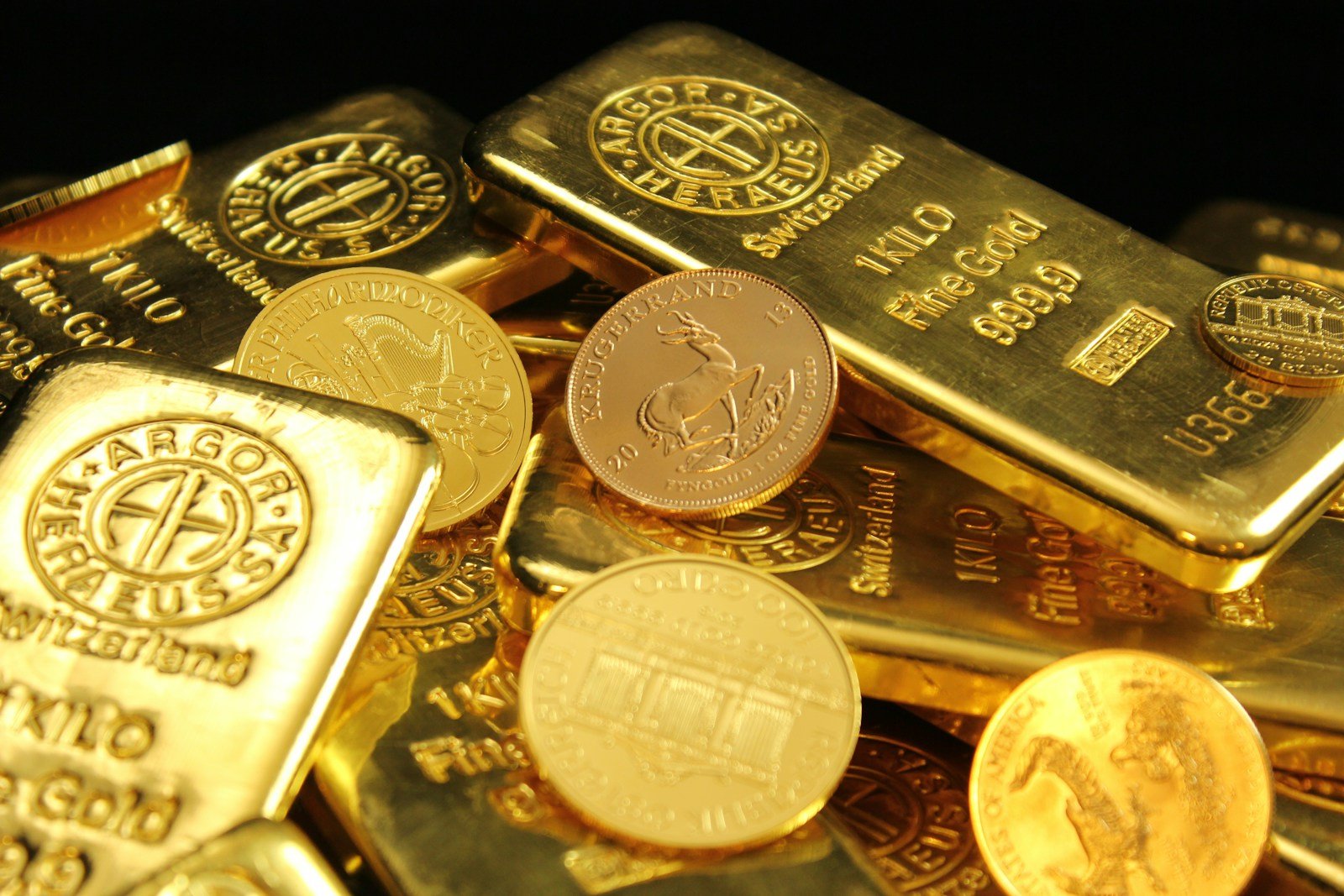

Gold’s surge to fresh records in late January gave way to a sharp pullback as traders took profits and the market digested shifting expectations around the dollar and US monetary policy—yet the broader trend remains one of strong safe-haven demand.
Earlier in the week, gold broke decisively above $5,100 an ounce, powered by a “risk-off” rush tied to geopolitical tension, a weaker dollar, and ongoing demand from central banks and investors.
But after pushing to a new intraday record near $5,595, prices reversed hard. One report described gold falling more than 5% from the peak at one point, later trading around $5,330 as the session stabilized.
Despite the drop, the month was still extraordinary: gold was up about 24% in January, described as its best monthly performance since the 1980s.
Several forces were highlighted behind the whiplash:
– profit-taking after a parabolic run and crowded positioning in precious metals;
– a rebound in the US dollar adding pressure to commodities priced in dollars;
– policy uncertainty linked to leadership and direction at the Federal Reserve, which can quickly change the calculus for non-yielding assets like gold.
Looking forward, some banks and analysts have raised their forecasts, arguing that demand has broadened beyond “fear trades” into structural buying (including investment flows and sustained official-sector interest), even if near-term volatility remains extreme.