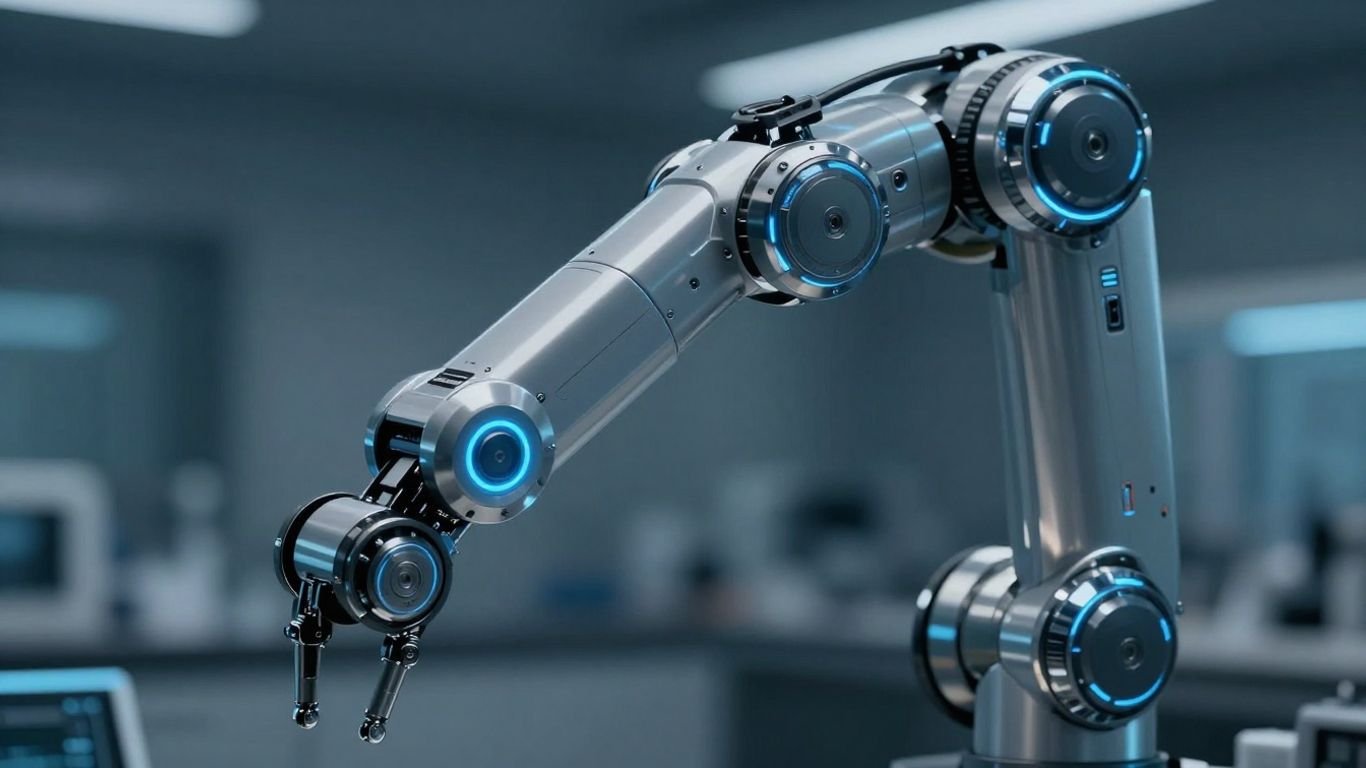

Alibaba has entered the competitive robotics AI landscape with the launch of RynnBrain, an open-source foundation model designed to enhance robots’ understanding and interaction with the physical world. This move positions the Chinese tech giant as a significant player alongside industry leaders like Google and Nvidia in the rapidly evolving field of “physical AI.”
RynnBrain is engineered to help robots perceive and interact with their environment, enabling them to map objects, predict trajectories, and navigate complex spaces like kitchens or factory floors. A demonstration video showcased a robot successfully identifying and sorting fruit, highlighting the model’s capability in tasks requiring object recognition and precise movement.
This advancement falls under the category of “physical AI,” a domain that integrates artificial intelligence with machines operating in the real world, including self-driving cars. China has identified this sector as a strategic priority in its technological competition with the U.S.
Alibaba’s RynnBrain directly challenges established players such as Google, with its Gemini Robotics-ER 1.5 model, and Nvidia, known for its Cosmos brand of robotics AI solutions. The company claims RynnBrain has demonstrated strong benchmark performance against these competitors. This launch signifies Alibaba’s ambition to expand its influence beyond e-commerce and cloud computing into the burgeoning field of advanced robotics.
Following a successful strategy with its Qwen family of AI models, Alibaba is making RynnBrain open-source. This approach allows developers worldwide to freely use, modify, and build upon the model, fostering wider adoption and innovation. This open strategy is seen as a key differentiator, particularly as U.S. companies often keep their advanced AI technologies proprietary.
The introduction of RynnBrain has generated investor interest, with Alibaba’s stock showing positive movement. Analysts are optimistic about Alibaba’s AI strategy, especially its commitment to open-source development, which is expected to drive growth and solidify its position in the AI market.