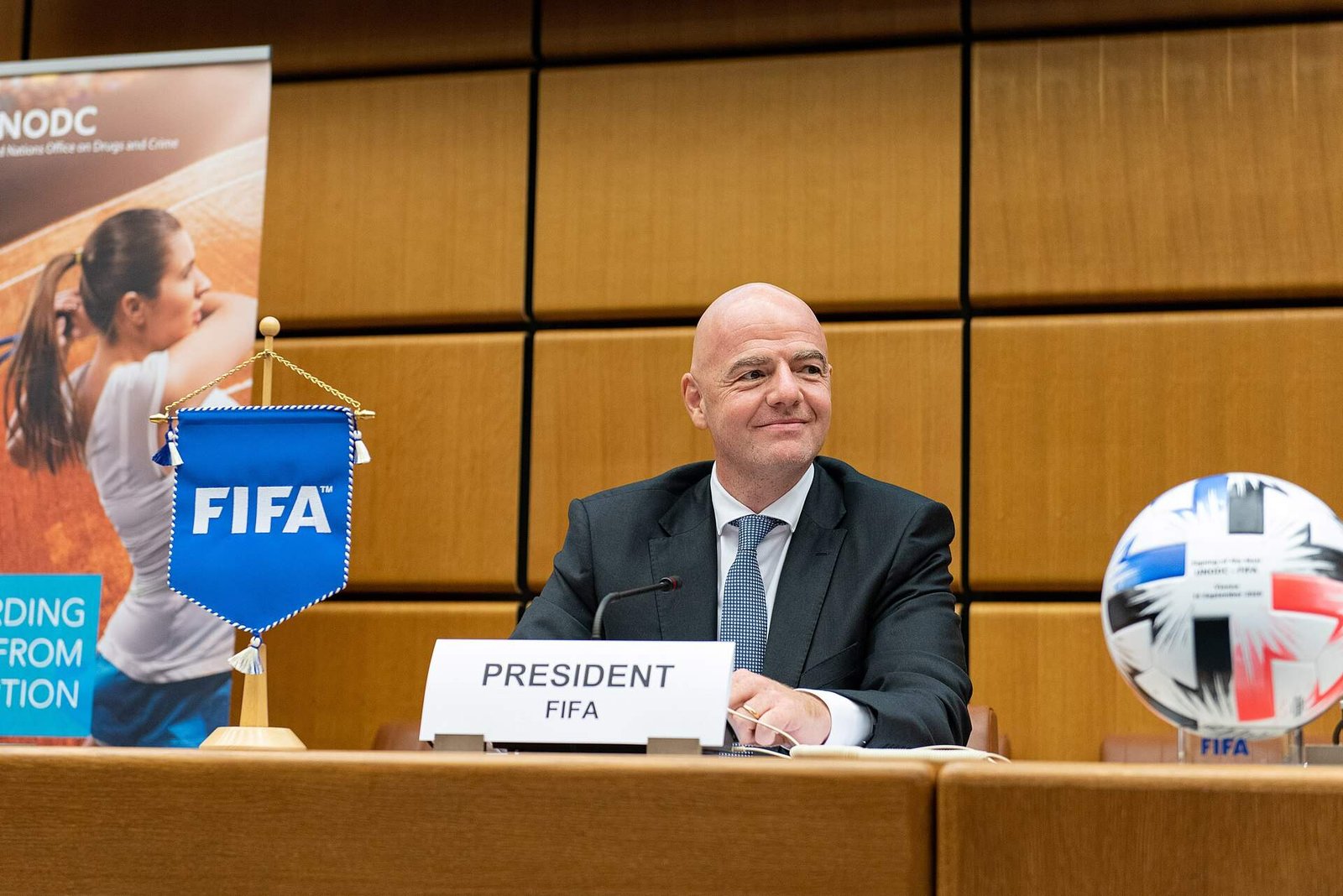

UEFA’s 55 member associations have unanimously voted to boycott future World Cups if FIFA presses ahead with plans to sell an equity stake in the tournament to outside investors, escalating a dispute that has divided the sport’s governing bodies.
The decision, backed by all of European football’s national federations, transforms weeks of vocal opposition into a binding collective threat aimed squarely at FIFA and its president, Gianni Infantino.
“The World Cup is not for sale,” UEFA stated following the vote, framing the ballot as a defence of football’s public ownership and warning that Europe’s leading nations would withdraw from tournaments should the investment proposals be approved.
The confrontation stems from a FIFA proposal to bring in external capital by offering investors a share of commercial rights tied to the World Cup, a move critics say risks placing the sport’s flagship competition under private financial control. Earlier in the dispute, FIFA stepped back from a much larger sell-off proposal after widespread backlash from federations and supporters.
A World Cup without European participation would be commercially and competitively diminished. UEFA nations include several of the sport’s most successful and marketable teams, and their absence would strip the tournament of much of its audience and sponsorship value.
The vote also deepens a broader governance rift between the two organisations. European officials have previously expressed a loss of confidence in Infantino’s leadership, and the boycott resolution marks the most concrete escalation yet in a standoff over the direction of world football’s commercial strategy.
FIFA has defended the concept of external investment as a means of growing revenues that could ultimately be redistributed across the global game. The organisation has not indicated whether the latest vote will prompt it to abandon the plan entirely.
For now, the two bodies remain locked in a public confrontation with high stakes on both sides. The next FIFA World Cup is set to be staged in the United States, Canada and Mexico in 2026, and no formal decision affecting that tournament has been signalled.
Whether the dispute is resolved through negotiation or hardens into a lasting split will depend on how FIFA responds to a threat that, if carried out, would reshape the sport’s premier event. Both sides face pressure to reach a compromise before the standoff spills into the tournament cycle.