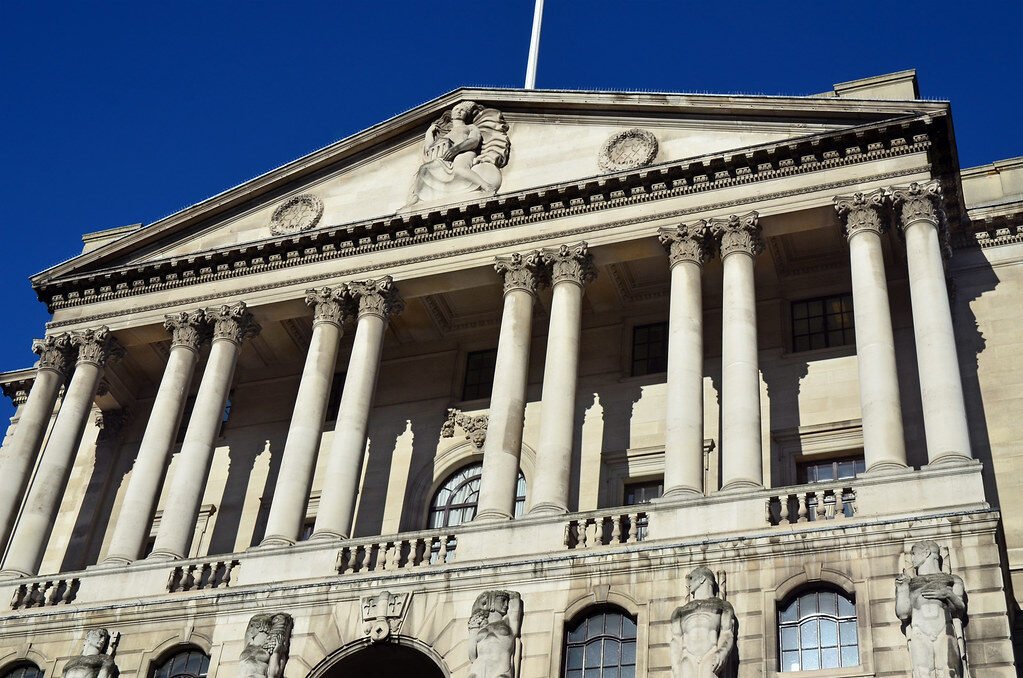

Amid ongoing tensions in the Middle East and stubborn inflation concerns, the Bank of England (BoE) has opted to keep its benchmark interest rate unchanged at 3.75%. The move, decided by a slim majority on the Bank’s Monetary Policy Committee (MPC), reflects both cautious optimism about falling inflation and continued wariness about geopolitical risks.
The decision to hold rates comes at a time when the BoE faces a complex economic environment. Inflation has eased from its peak but remains above the bank’s 2% target. Governor Andrew Bailey emphasized that while prospects for lower inflation are improving, ensuring price stability is crucial before loosening monetary policy further. He expressed that, if trends continue, there could be room for rate reductions later in the year.
The MPC’s vote was notably close, indicating growing debate internally. Four out of nine members favored an immediate rate cut, underscoring the mounting pressure for action as economic growth slows. The markets are almost evenly split on whether the BoE will cut rates at its next meeting, with many analysts expecting a decision in March or April.
Despite persistent headwinds, the BoE now expects inflation to dip near its 2% target by spring, much earlier than previously anticipated. Economists credit lower energy prices, subsiding supply chain disruptions, and government cost-of-living measures for the improvement.
However, the economic picture remains mixed. While job growth is sluggish—partly due to businesses adopting artificial intelligence rather than hiring—the broader economy has shown resilience, with modest gains in private consumption and services. Still, uncertainties from global events, particularly unrest in the Middle East, continue to weigh on forecasts.
With inflation likely to moderate and some internal policymakers pushing for cuts, attention is now on upcoming data releases. Most economists expect at least two rate cuts this year, with predictions ranging from March to June for the first move.
• Some analysts, like those at Unicredit and Deutsche Bank, expect the first cut as early as March, with further reductions to follow through the year.
• Others caution that the BoE may wait for more evidence of weaker inflation or further economic slack.
The direction may also depend on wage trends and the impact of artificial intelligence on the labor market, both being monitored closely by the Bank.
The BoE’s decision comes in step with the European Central Bank, which also kept its rates steady in response to persistent inflation and global tensions.
Investment markets took note: the pound slipped slightly against the US dollar, and expectations for rate cuts remain high among City traders. International concerns, notably political uncertainty and the possibility of further shocks from abroad, will continue to inform BoE policy in the months ahead.
As the MPC gears up for its next meetings, all eyes are on inflation prints and global developments that may tip the balance toward the long-anticipated rate-cutting cycle.