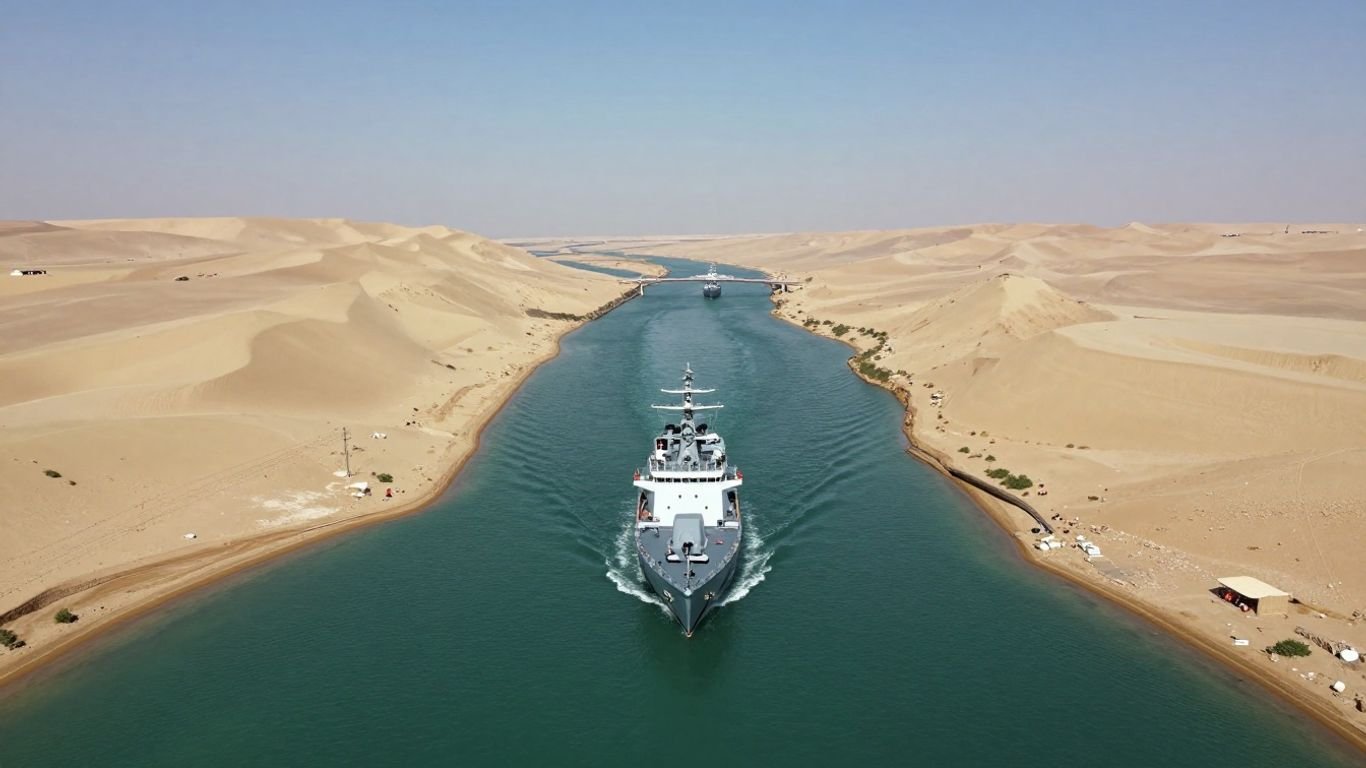

President Trump is intensifying pressure on international allies to contribute naval forces to secure the Strait of Hormuz, a critical chokepoint for global oil transport, which has been effectively blockaded amid the ongoing U.S.-Israeli war with Iran. The call comes as global energy prices skyrocket and the conflict enters its third week, drawing sharp rebukes from several key nations.
President Trump has openly criticized allies who have declined his appeal for assistance in reopening the Strait of Hormuz. He expressed disappointment, stating, “For 40 years we’re protecting you, and you don’t want to get involved in something that’s very minor?” He suggested this was a test of their loyalty and commitment to shared security. However, nations like Germany, through its defense minister, have firmly stated, “This is not our war; we did not start it.” Japan, Italy, and Australia have also confirmed they will not join the escort efforts. The European Union, while acknowledging its own interests are at stake, will not expand its maritime operations in the region.
The U.S.-Israeli air war against Iran, now in its third week, has resulted in over 2,000 reported deaths, primarily in Iran and Lebanon. Iran has retaliated with rocket and drone attacks on neighboring countries and shipping vessels. The disruption to oil transport through the Strait of Hormuz has sent global energy prices soaring, with Brent crude briefly hitting $106 per barrel. The U.S. appears to have been unprepared for the extent of Iran’s retaliation and the subsequent need to protect merchant ships.
While President Trump has claimed “numerous countries have told me that they’re on the way,” he has declined to name them. Some nations, like France and South Korea, have remained noncommittal. Britain’s Prime Minister Keir Starmer stated his country would not be “drawn into a wider war.” The U.S. has also reportedly struck over 7,000 targets in Iran, claiming significant reductions in Iran’s missile and drone capabilities. Meanwhile, diplomatic channels appear strained, with some officials expressing frustration over the administration’s perceived lack of traditional diplomatic engagement in the crisis. President Trump also announced he would delay a planned visit to China, citing the ongoing war as a reason he needs to remain in the U.S.
Beyond the Strait of Hormuz, the conflict continues to impact the region. Israel has expanded its ground assault in southern Lebanon, leading to widespread displacement. Attacks have also been reported in Baghdad, Abu Dhabi, and Jerusalem, underscoring the widening scope of the hostilities. The death toll continues to rise across Iran, Lebanon, and other affected areas.