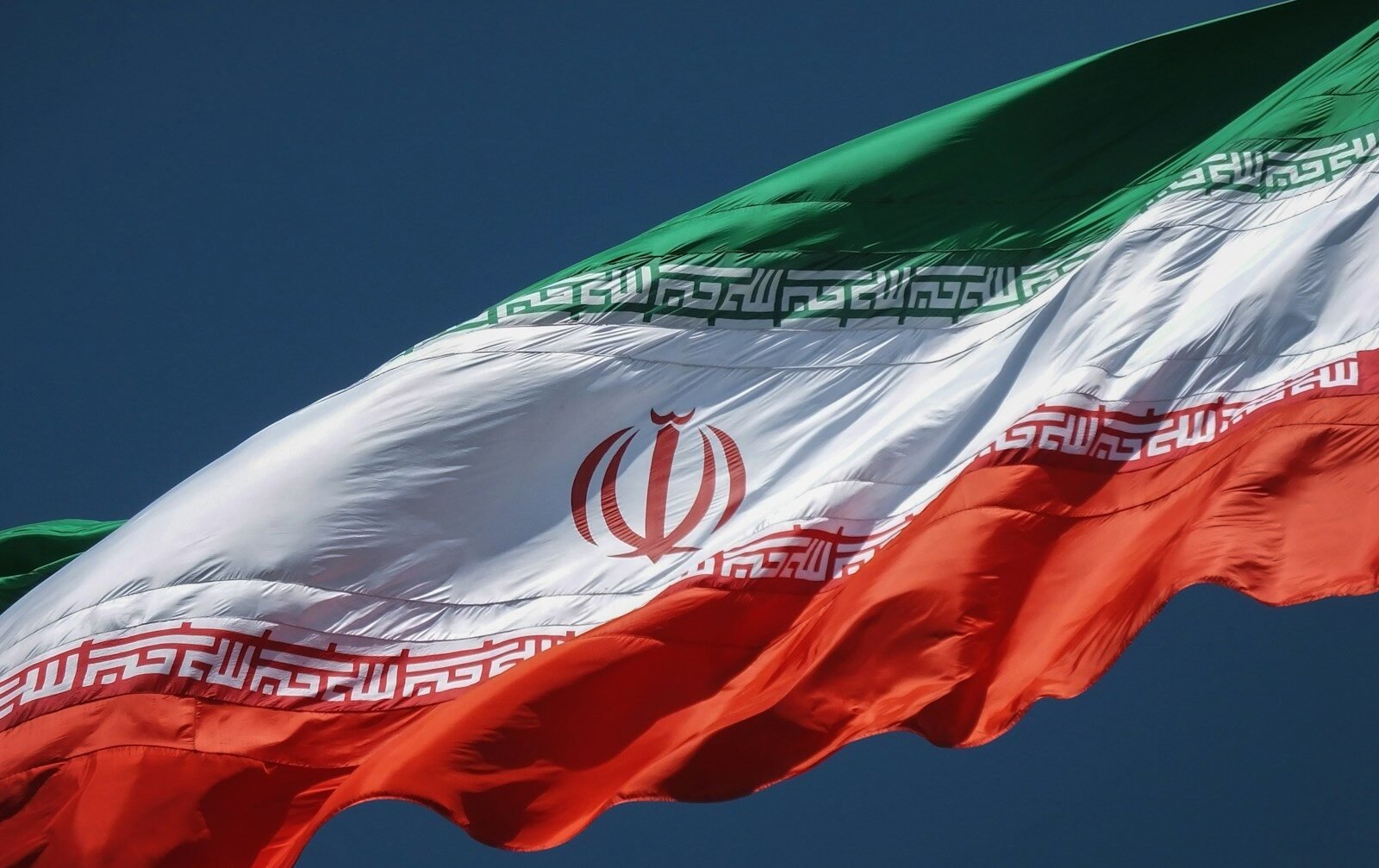

Iran has officially dismissed a 15-point ceasefire proposal put forth by the United States, signaling a hardening of its stance amidst the ongoing conflict in the Middle East. The rejection comes as both Iran and Israel continue to launch attacks across the region, with significant impacts on global energy markets and civilian populations. Iran has indicated it has its own conditions for ending the hostilities, further complicating diplomatic efforts.
Iranian state media quoted an anonymous official stating that Iran will only end the war on its own terms and when its conditions are met. The country’s counterproposal reportedly includes a halt to killings of its officials, guarantees against future aggression, reparations for war damages, an end to hostilities on all fronts, and Iran’s assertion of sovereignty over the Strait of Hormuz. These demands, particularly reparations and control over the vital shipping lane, are likely to be unacceptable to the White House.
In parallel with its diplomatic defiance, Iran has continued its attacks, including an assault that caused a major fire at Kuwait International Airport. Israel has responded with airstrikes on Tehran and other targets. The United States is bolstering its military presence in the region, with plans to deploy at least 1,000 troops from the 82nd Airborne Division and thousands more Marines. This escalation underscores the volatile nature of the conflict.
Mediators, including officials from Pakistan and Egypt, are working to facilitate potential in-person talks between the U.S. and Iran, possibly as early as Friday. However, significant challenges remain. The U.S. proposal broadly addressed sanctions relief, limitations on Iran’s nuclear program and missile capabilities, and the reopening of the Strait of Hormuz. The ongoing conflict has led to a sharp increase in oil prices, with Brent crude nearing $120 a barrel, and has prompted warnings from economists about far-reaching global economic consequences.
The war has resulted in a significant human toll. Iran’s death toll has surpassed 1,500, while Israel reports 20 fatalities. In Lebanon, over 1,100 people have died, and in Iraq, 80 security force members have been killed. The conflict also impacts civilian life, with missile alert sirens sounding in Israel and widespread disruption in areas targeted by attacks.