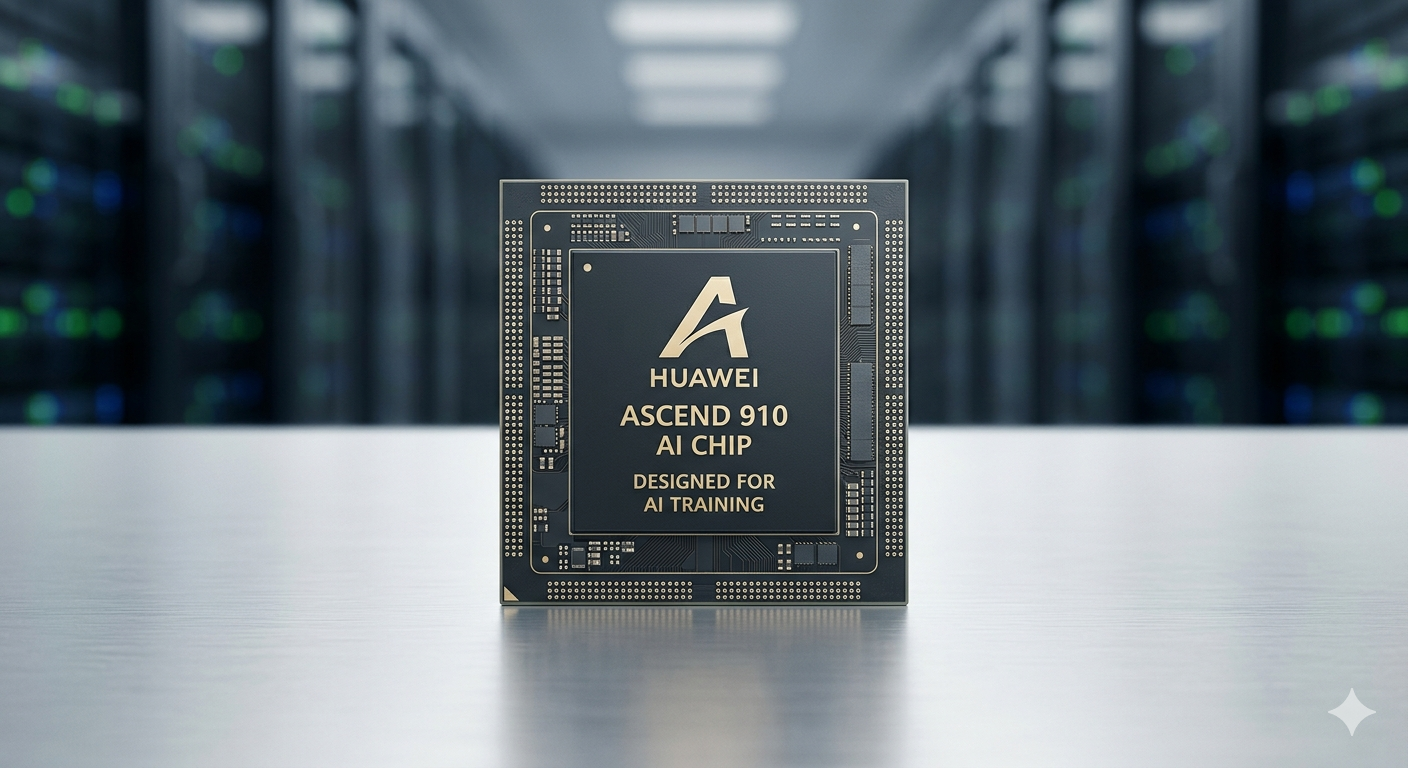

Huawei’s latest artificial intelligence chip, the Ascend 950PR, is reportedly attracting significant interest from major Chinese tech firms, including ByteDance and Alibaba. This development comes as these companies seek domestic alternatives to Nvidia’s AI hardware, which faces U.S. export restrictions in China. The new chip’s improved compatibility and performance are key factors in its growing appeal.
Despite previous struggles to gain widespread adoption for its Ascend 910C chip, Huawei’s new Ascend 950PR appears to be overcoming market hesitancy. Industry sources indicate that customer testing has been successful, leading ByteDance and Alibaba to plan substantial orders. This marks a significant step for Huawei in challenging Nvidia’s dominance in the lucrative Chinese AI chip market.
A crucial factor driving the adoption of the 950PR is its increased compatibility with Nvidia’s CUDA software ecosystem. Previously, Chinese tech firms largely relied on Nvidia’s software, making it difficult to transition to domestic alternatives. The 950PR’s ability to better integrate with CUDA allows developers to migrate their AI models more easily. Additionally, the chip boasts improved response speeds and is designed to excel in inference workloads, which involve running trained AI models.
The timing of Huawei’s chip launch is particularly opportune given the ongoing U.S. restrictions on advanced AI chips sold to China. These restrictions, aimed at preventing the technology from bolstering the Chinese military, have created a void that domestic manufacturers like Huawei are eager to fill. While Nvidia’s more powerful H20 chips have received approval from Chinese authorities, their availability and sales volume remain uncertain.
Huawei plans to commence mass production of the 950PR chip next month, with full-scale shipments expected in the latter half of the year. The company aims to ship around 750,000 units in 2026. The 950PR, utilizing traditional DDR memory, is priced at approximately 50,000 yuan ($6,900) per card. A premium version with faster HBM memory will be available for around 70,000 yuan.