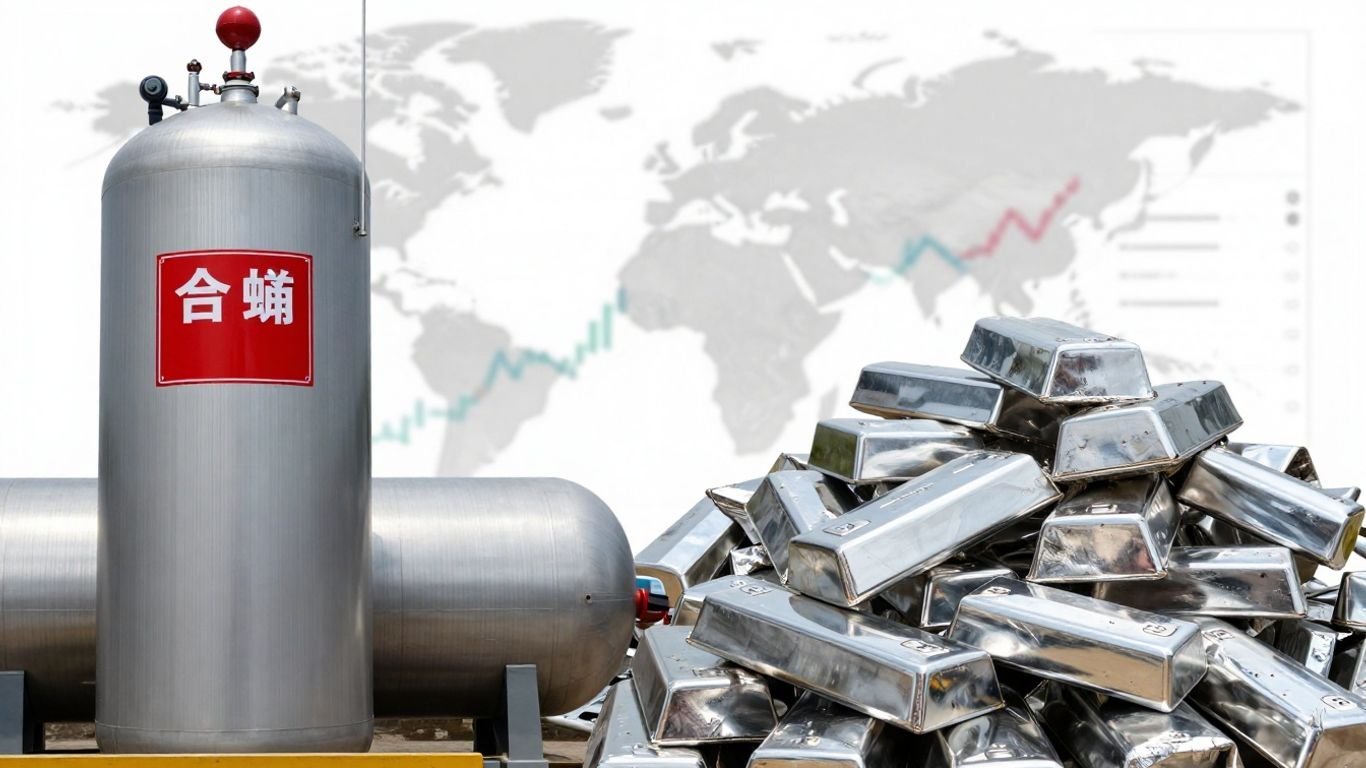

The ongoing conflict in Iran is extending its economic reach far beyond energy markets, creating critical shortages of helium and aluminum. These essential materials are vital for numerous industries, including technology, healthcare, and manufacturing, raising concerns about widespread supply chain disruptions and increased costs for consumers worldwide.
The disruption to Qatar’s liquefied natural gas (LNG) facilities, which account for approximately one-third of the world’s helium supply, has brought helium production to a standstill. Experts estimate that rebuilding these production lines could take between three to five years, creating a significant and lasting deficit in the global helium market.
Helium is indispensable for the manufacturing of semiconductors, where it is used to cool wafers during the intricate etching process. Without sufficient helium, the production of chips essential for everything from smartphones and laptops to advanced AI data centers could be severely hampered. The medical industry also relies heavily on helium to cool the superconducting magnets in MRI machines, and the growing space industry uses it for purging rocket fuel tanks.
Manufacturers typically maintain only a two-month supply of helium. With current disruptions, “force majeure” and allocation letters are already being issued to U.S.-based customers, signaling imminent shortages and price hikes. This could significantly impact the ability of semiconductor manufacturers to meet future production goals and potentially slow the growth of AI-focused companies.
In addition to helium, the conflict in Iran is also impacting the supply of aluminum. Gulf countries are responsible for about 9% of the world’s aluminum production, and local disruptions have already contributed to a surge in aluminum prices, reaching a four-year high. Rising energy costs further exacerbate production expenses, tightening market conditions.
An aluminum shortage will likely lead to increased costs for consumer goods packaging. The automotive and electronics sectors, which are significant users of aluminum, can also anticipate production challenges. Experts warn that prolonged conflict could also affect nitrogen supplies, potentially driving up food costs.
The combined impact of these supply chain disruptions, alongside the already significant rise in oil and gas prices, is creating a challenging economic environment. Economists predict higher prices and slower global growth, with developing nations being particularly vulnerable due to their reliance on imported energy and commodities. The blockade of the Strait of Hormuz and damage to energy infrastructure in the Gulf region are further complicating the availability of crucial goods.