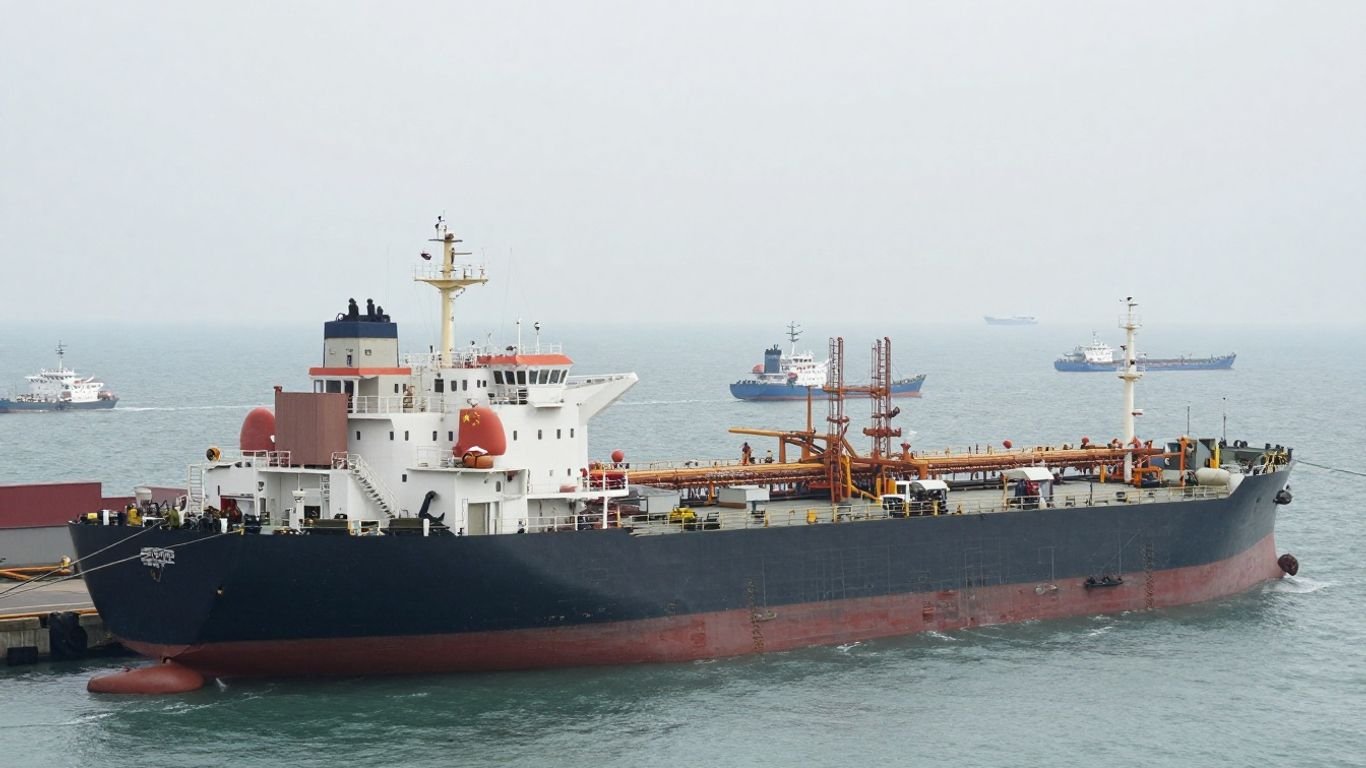

China is reportedly set to extend its ban on refined fuel exports into April, a move that could further tighten supply across Asia. While the general prohibition remains in place, sources indicate that small exemptions may be granted for shipments to regional countries that have requested assistance.
Five industry sources familiar with the matter suggest that China will prolong its ban on refined fuel exports beyond March. This continuation of the restrictions, initially imposed on March 12, is likely to impact the availability of diesel, jet fuel, and gasoline in the Asian market. However, discussions are reportedly underway to permit the export of limited volumes to Southeast Asian nations facing supply shortages.
While the exact quantities are still being discussed, estimates for the permitted export volumes range from 150,000 to 300,000 metric tons. Countries that could potentially receive these fuel supplies include Bangladesh, Myanmar, Sri Lanka, the Maldives, and Vietnam. These direct shipments, if approved, are expected to be handled by Chinese state-owned companies. Despite these potential allowances, spot export sales by individual refiners will remain disallowed.
The initial ban, which was not publicly announced, targeted diesel, gasoline, and jet fuel. It did not apply to jet fuel used for international flight refueling or marine bunkering operations. Following the ban’s implementation, some limited volumes of diesel and jet fuel were still exported from bonded storage tanks in Hainan province, having cleared customs before the restrictions took effect. Ship-tracking data indicated that several tankers loaded significant amounts of diesel from Hainan after March 12, with destinations including Mexico and the Philippines.
Several countries, including the Philippines and Bangladesh, have previously sought fuel supplies from China amidst regional tensions. Beijing has expressed a willingness to cooperate with Southeast Asian nations to address energy supply challenges, making the potential for limited exemptions a significant development for the region’s energy security.