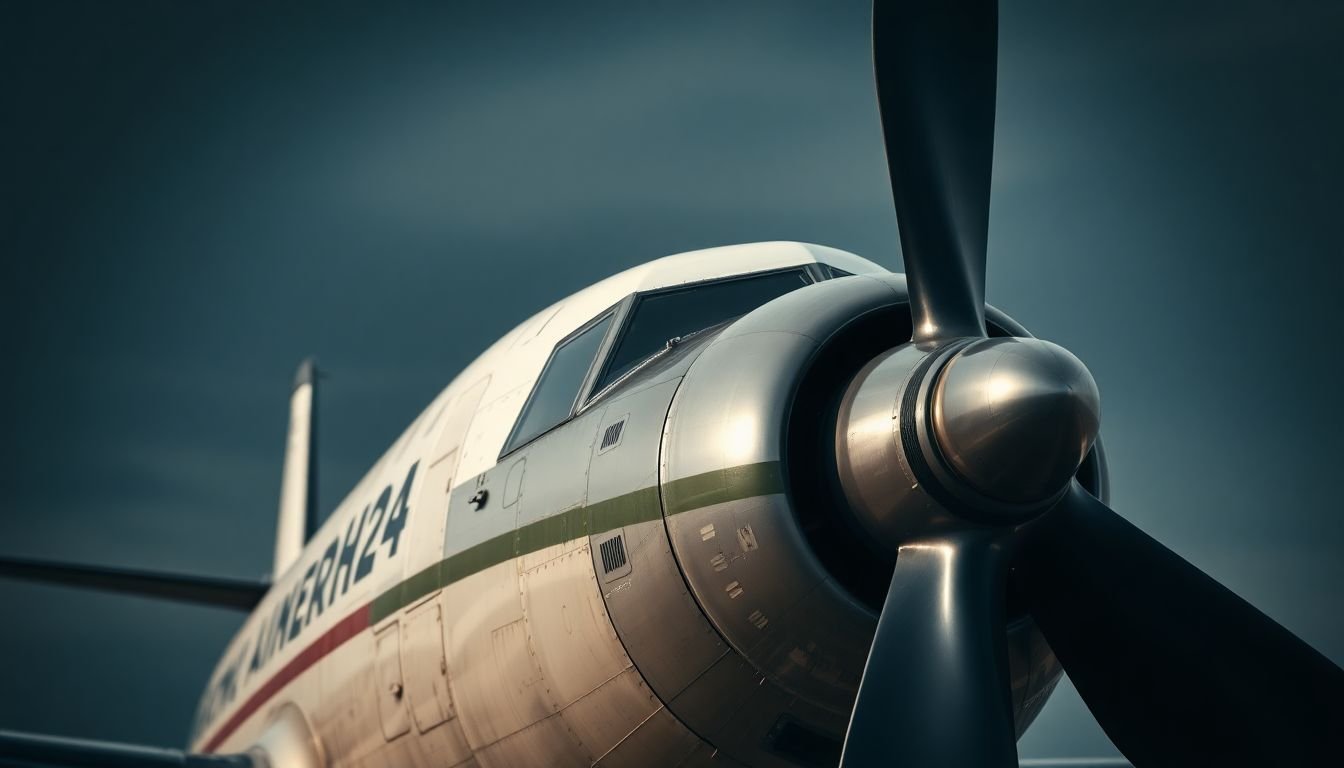

The wreckage of the Pan Am Clipper Endeavor, whose 1951 crash killed 52 people and prompted the introduction of mandatory pre-flight safety briefings, has been located after 74 years.
The discovery brings closure to one of the more consequential disasters in the early era of commercial aviation, an accident that directly influenced the safety protocols now familiar to every airline passenger.
The crash claimed the lives of all 52 people aboard the aircraft. In its aftermath, investigators and regulators pushed for reforms that established the requirement for passengers to receive safety instructions before every flight — a practice that has since become universal across the industry.
The Clipper Endeavor was operated by Pan American World Airways, one of the dominant carriers of the mid-20th century and a company synonymous with the golden age of long-haul air travel. The loss of the aircraft underscored the risks of a rapidly expanding aviation sector still developing modern safety standards.
Mandatory pre-flight briefings, which cover emergency exits, life vests, oxygen masks and brace positions, remain a cornerstone of passenger safety today. The requirement traces part of its origin to lessons drawn from accidents such as the Clipper Endeavor disaster.
The location of the wreckage after more than seven decades offers researchers a chance to revisit the circumstances of the crash and honour those who died. Such discoveries frequently provide historical and technical insight into how aviation safety evolved from its formative years.
The legacy of early crashes continues to shape regulatory decisions in the present day, from cockpit procedures to manufacturer oversight. Recent years have seen renewed scrutiny of safety in the sector, including legal reckonings tied to fatal aircraft failures, reflecting how accidents can drive lasting institutional change.
While specific details of the recovery effort are still emerging, the find stands as a reminder of how tragedy in the earliest decades of commercial flight helped forge the safety culture that governs modern air travel.